Pokémon Center
- If you were looking for the retail store chain, seePokémon Center (store).
- PMC redirects here. For the recurring characters inPokémon the Series, seePokémon Mystery Club.
 | This article is missing one or more images. Please feel free to add any missing images to this article. Needed images can beuploaded to the Bulbagarden Archives. Reason: Missing layout maps for Lavaridge Town Pokémon Center and needs a complete map for Generation V as well as a Pokémon Center design from X and Y. |

APokémon Center (Japanese:ポケモンセンターPokémon Center), also shortened byHau toPMC (Japanese:ポケセンPokécen orPokésen), is an establishment that provides regulatory services forPokémon Trainers, such as healing theirPokémon for free.
In early guidebooks, it has also been called thePoké Center[1] andPokémon Hospital.[2]
Early concept and development leftovers

InCapsule Monsters,Trainers restored their monsters' health by staying at inns and hotels, which provided healing devices in rooms.[3] This might explain the similarities between Pokémon Centers and theCeladon Hotel in theGeneration I games.
In the Generation I games, the Rest Houses in the Eastern side of Center Area along with the ones in Area 2 and Area 3 of theSafari Zone also have leftovers of Pokémon Center design: in the JapanesePokémon Red, Green, andBlue, the houses trigger hidden text in the same coordinates as the couch guy at Pokémon Centers, while inaccessiblePCs are placed outside the boundaries of the map but in the same coordinates as PCs in Pokémon Centers (the PCs are also in the WesternPokémon Red and Blue; both texts and PCs, including the invisible Celadon Hotel PC, were completely removed in Japanese and WesternPokémon Yellow). Additionally, the tileset data of the Safari Zone maps includes tiles with the Pokémon Center signpost for use in the Rest Houses, without any text. Unlike Pokémon Centers, however, which store the player's current location in memory so thatTeleport,Dig, orEscape Ropes return the player to the last location with a Pokémon Center available, the Safari Zone's Rest Houses are intentionally programmed to prevent this behavior so that the player does not cheat the Safari Game.
In the core series games
Pokémon Centers are found in most towns and cities of thePokémon world, sometimes even onroutes, with almost every major settlement having at least one Pokémon Center; they take the form of buildings in mostregions, butPaldea andKitakami's Pokémon Centers are outdoors instead. Some Pokémon Centers can be found outside of towns. Pokémon Centers are built where many Trainers gather. This is to accommodate those Trainers in need and to serve as a resting spot. The most common service the Pokémon Center offers is healingPokémon free of charge.
In thegames, Pokémon Centers vary between regions, but all of them have in common a healing station run by aPokémon Center lady behind a main counter, which heals allparty Pokémon (fully restoring theirHP andPP and healing anystatus conditions) free of charge. Starting inGeneration VIII, this also heals all Pokémon in the player'sBoxes (whereas they would be automatically healed upon being deposited in the Boxes in priorgenerations). Prior toGeneration IX, Pokémon Centers also always featured aPC (orRotomi inGalar) to access the Pokémon Storage System, among other functionality. Most Pokémon Centers also contain variousNPCs that vary between locations. InUnova,Kalos,Alola, Galar, and Paldea,Poké Marts are also housed inside Pokémon Centers. Prior toGeneration VI and inPokémon Brilliant Diamond and Shining Pearl, Pokémon Centers also have services for connecting with other players andtrading andbattling with them; this required wired connections prior toPokémon FireRed and LeafGreen. In addition, Alola's Pokémon Centers house thePokémon Center Café, Galar's houseJack, and Paldea's and Kitakami's house theTM Machine andUnion Circle. FromGeneration V toVII, the deliverers ofMystery Gifts appear in Pokémon Centers.Mr. Medal also appears here inPokémon Black 2 and White 2 when awarding the player anyMedal.
Flying often brings theplayer to a Pokémon Center, andTeleport brings the player to the Pokémon Center they last visited (or to the Pokémon Center of the settlement they are currently in). Also, ifdefeated inbattle, the player will usually flee to the Pokémon Center they most recently visited (unless the player has not yet visited a Pokémon Center, in which case they will appear outsidetheir house).
Prior toGeneration IV,saving inside a Pokémon Center is required to facilitate linking with console games such asPokémon Stadium andPokémon Colosseum.
Prior toPokémon HeartGold and SoulSilver, Pokémon Centers had a slogan. In Generations I and II, as well asPokémon FireRed and LeafGreen andPokémon Diamond, Pearl, andPlatinum, it is "Heal Your Pokémon!". InPokémon Ruby, Sapphire, andEmerald, it is "Rejuvenate your tired partners!"
Prior toGeneration V, Pokémon Centers also hosted the Cable Club or theUnion Room, which facilitated multiplayer gameplay. Originally, linked players could onlybattle andtrade with one another, but inGeneration III andIV (except forPokémon FireRed and LeafGreen), players couldmix records, and inPokémon Platinum andPokémon HeartGold and SoulSilver, they couldplay games together.
ThePokémon Center theme has retained essentially the same melody throughout the games. A different version is used atnight inPokémon Diamond, Pearl, andPlatinum. InPokémon Legends: Arceus, the onlycore series game to not feature Pokémon Centers, a small part of the melody can be heard in the theme that plays after the player reports their survey results toProfessor Laventon. A rearrangement of the theme has also been used in theSuper Smash Bros. series sinceSuper Smash Bros. Brawl.
Generation I

In theGeneration I games, a Pokémon Center consists of two counters on a single floor. The counter on the left has aPokémon Center lady that will heal theplayer's Pokémon. The counter on the right contains the Cable Club, which allows players to link with each other. Talking to the women at the desk will allow the player to enter the Cable Club. Furthest to the right is thePC to deposit and withdraw Pokémon or items. The Generation I games also include two of the few examples of a Pokémon Center that isn't in a town: the Pokémon Centers inRoute 4, outsideMt. Moon, and inRoute 10, outside the entrance to theRock Tunnel. Futuregenerations employ rest houses that only offer healing services in similar areas.
InPokémon Yellow, aChansey stands next to the lady in every center. This is a reference toNurse Joy in theanimated series.
Cable Club
The Cable Club (Japanese:つうしん ケーブル クラブCommunication Cable Club) is the original link-up place, it is located at the far end of the Pokémon Center inGeneration IKanto.Players can link together to simplybattle each other one-on-one andtrade Pokémon with each other. Two players linked by aGame BoyGame Link Cable can enter the Cable Club.Pokémon Yellow features an extended version of the Cable Club with the option to choose special battle rules or cups.
Generation II

In theGeneration II games, to accommodate greater linking functionality, the Pokémon Centers of bothKanto andJohto expanded to two floors. On the first floor, there is the counter where aPokémon Center lady heals theplayer's Pokémon, as well as aPC. On the second floor resides the Cable Club andTime Capsule.
In the Japanese versions and Korean versions ofPokémon Gold and Silver, the sign ofJohto's Pokémon Centers have aPoké Ball logo and the lettersPC whileKanto's use the same sign as that of theGeneration I games. In the localized versions, the Generation I sign was used for bothregions.
Cable Club

Located upstairs in Pokémon Centers throughoutJohto andKanto, this Cable Club consists of three rooms. The Cable Club Trade Center facilitatestrading, the Cable Club Colosseum allowsbattling, and the Cable ClubTime Capsule provides a way to trade Pokémon with theGeneration I games. Because there were no female protagonists prior toKris's introduction inPokémon Crystal, aplayer who has chosen Kris is temporarily swapped into themale player sprite before linking; this still happens even when two Pokémon Crystal games are linked despite the sprite data for the female choice being present.
Two players can enter the Cable Club with aGame Boy orGame Boy ColorGame Link Cable.
PokéCom Center
- Main article:Pokémon Communication Center
Exclusively in the Japanese version ofPokémon Crystal, thePokémon Communication Center, or PokéCom Center, replaces the regular Pokémon Center inGoldenrod City, and takes use of theMobile System GB. It is in essence a prototype for theGlobal Terminal, justifying the placement of one in the city inPokémon HeartGold and SoulSilver.
Generation III
 | This section is incomplete. Please feel free to edit this section to add missing information and complete it. Reason: Colosseum and XD details, language restrictions on Berry Crush (if any) |


Pokémon Centers in theGeneration III games keep the two-floor setup, similar to the regular Pokémon Centers in theGeneration II games. The only difference is that the stairs to the second floor are larger and more noticeable, taking the shape of an escalator.
InOrre, there are only four official Pokémon Centers, located inPhenac City,Agate Village, theUnder Colosseum lobby, andGateon Port, all of which have unique appearances. Only thePhenac City Pokémon Center has facilities for linking with theGeneration III core series games. Self-service healing machines, identical to ones staffed by aPokémon Center lady in a Pokémon Center, appear scattered throughout Orre, usually next to aPC.
InPokémon Colosseum andPokémon XD: Gale of Darkness, when trading with a core series game, the trade is conducted entirely through the GameCube interface, although the GBA game makes its own selections. However, the core series game must be saved inside a Pokémon Center in order to be able to trade with the GameCube game.
2F
The second floor of the Pokémon Center includes various communication hubs.
InPokémon Ruby and Sapphire, Pokémon Center 2F is the Pokémon Cable Club. It has three communication rooms: the Pokémon Cable Club Trade Center, Pokémon Cable Club Colosseum, and Pokémon Cable Club Record Corner.
InPokémon FireRed, LeafGreen, andEmerald, Pokémon Center 2F has an attendant's desk and two communication desks: theUnion Room and the Direct Corner.Teala, the attendant, explains the communication functions to the player. The Union Room is a wireless hub for multiple players that requires theGame Boy Advance Wireless Adapter to enter. The Direct Corner transitions between the Pokémon Wireless Club Direct Corner (if the Wireless Adapter was connected when launching the game) or the Pokémon Cable Club (if it was not); the Pokémon Cable Club uses theGame Link Cable while the Pokémon Wireless Club Direct Corner uses the Wireless Adapter. The Pokémon Cable Club Direct Corner has the same features as the Pokémon Cable Club in Pokémon Ruby and Sapphire, but these are all accessed from the same desk.
Pokémon Cable Club
The Pokémon Cable Club is a set of communication features in all Generation III core series games that use aGame Link Cable. In Pokémon Ruby and Sapphire, the entire floor is the Pokémon Cable Club, with each feature having its own desk; in Pokémon FireRed, LeafGreen, and Emerald, they are all accessed from the Direct Corner desk, as long as the Wireless Adapter is not connected.
- In the Trade Center, the player cantrade Pokémon with one other player. There are no restrictions on trading between languages.
- In the Colosseum, the player can battle one other player in a Single orDouble Battle, or join three other players for aMulti Battle. There are no restrictions on battling between languages. Link battle wins and losses are recorded on the Battle Results board on Pokémon Center 2F.
- In the Record Corner, the player canmix records with up to three other players of Pokémon Ruby, Sapphire, or Emerald. The player must have reached theMauville City Pokémon Center in order to mix records. This feature is not available in Pokémon FireRed and LeafGreen. Japanese Pokémon Ruby and Sapphire cannot mix records with non-Japanese games, and non-Japanese Pokémon Ruby and Sapphire cannot mix records with Japanese games; otherwise, there are no restrictions on mixing records between languages.
Pokémon Wireless Club
The Pokémon Wireless Club is a set of communication features in Pokémon FireRed, LeafGreen, and Emerald that use theGame Boy Advance Wireless Adapter. There are two desks that form this club: theUnion Room and the Direct Corner.
Pokémon Wireless Club Direct Corner
The Pokémon Wireless Club Direct Corner is accessible at the Direct Corner if the Wireless Adapter was connected when the game was launched. It has four features in Pokémon Emerald and three in Pokémon FireRed and LeafGreen. This club only allows communication among these three games.
- In the Trade Center, the player cantrade Pokémon with one other player. There are no restrictions on trading between languages.
- In the Colosseum, the player can battle one other player in a Single orDouble Battle, or join three other players for aMulti Battle. There are no restrictions on battling between languages. Link battle wins and losses are recorded on the Battle Results board on Pokémon Center 2F.
- In the Record Corner, the player canmix records with up to three other players of Pokémon Emerald. The player must have reached theMauville City Pokémon Center in order to mix records. This feature is not available in Pokémon FireRed and LeafGreen. There are no restrictions on mixing records between languages in the Wireless Club.
- In Berry Crush, the player can play theBerry Crush minigame with up to four other players. ThePowder Jar is required to play this minigame.
When using the Pokémon Wireless Club Direct Corner, one player must choose "Become Leader", while the other players choose "Join Group" and join that leader's group.
Union Room
| This section is incomplete. Please feel free to edit this section to add missing information and complete it. Reason: Language restrictions on the Union Room (if any) |
The Union Room is accessible at the Union Room desk, but only if the Wireless Adapter was connected when the game launched. The Union Room is a special hub area in which nearby players who are also in the Union Room appear. Up to 40 players can appear in the room at once.
In the Union Room, players can chat using theeasy chat system, view other Trainers'Trainer cards,battle with up to threelevel 30 or lower Pokémon, ortrade via the trading board.
Generation IV


In theGeneration IV games, Pokémon Centers introduce a basement floor, which takes use ofNintendo Wi-Fi Connection. Opposite the ground floor's escalator, another escalator downstairs to the basement appears. While the second floor retains the same features from theGeneration III games, supporting up to fourplayers using the native wireless connection of theNintendo DS, the basement floor is where players can link up with others around the world using Nintendo Wi-Fi Connection. The ground floor, as always, is where a player can heal their Pokémon and use aPC. As ofPokémon Platinum, players can also challenge otherTrainers inside specific Pokémon Centers also inPokémon HeartGold and SoulSilver inOlivine City.
A healing machine similar to the ones found in the centers can be obtained from theUnderground inPokémon Diamond, Pearl, andPlatinum and placed in aSecret Base; however, it cannot heal Pokémon.
InPokémon HeartGold and SoulSilver, the Pokémon Center's design receives a major overhaul. The second floor became amezzanine, located above and directly behind the main desk, and two staircases were added on each side of the desk for access to it. ThePC was moved to the corner of the desk. All functions remain the same. Theplayer'swalking Pokémon will return to itsPoké Ball while being healed. If the first Pokémon in the player's partyfainted prior to healing, it will return to being the walking Pokémon as soon as it has been revived.
Wireless Club
Generation IV games feature a wireless club just like theGeneration III games, whereplayers in aUnion Room canbattle,trade,mix records and, inPokémon Platinum andPokémon HeartGold and SoulSilver, spinEggs. However, the Pokémon Centers in theseregions also have a basement, where the Wi-Fi Club is located, allowing players to connect to each other if they are registered on each other'sPal Pad. Here they can battle and trade, and they can talk to each other through the built-in microphone of theNintendo DS, instead of using theeasy chat system as in the Generation III games; however, the easy chat system is also supported.
Wi-Fi Plaza
- Main article:Wi-Fi Plaza
The Wi-Fi Plaza is an enhancement to the Wi-Fi Club inPokémon Platinum andPokémon HeartGold and SoulSilver and is located on the basement floor.Players from around the world can enter a plaza to makePoffins and play minigames together viaNintendo Wi-Fi Connection. The player can walk around the plaza and communicate with other players there. A leap in multiplayer gameplay is introduced, allowing up to twenty players to enter the Wi-Fi Plaza at a time. The player may only spend a certain amount of time at the Wi-Fi Plaza each day.
Trainers
InPokémon Platinum, after obtaining theVs. Seeker fromDawn/Lucas onRoute 207, trainers that were originally located atJubilife TV inPokémon Diamond and Pearl can be found roaming throughSinnoh's Pokémon Centers. Their teams grow stronger as the player progresses through the game. Their locations will vary by theday of the week.Reporter Kinsey andCameraman Tevin will always be found in the same Pokémon Center together.Idol Grace cannot be found at any Pokémon Center on Wednesdays.


Generation V

In theGeneration V games, thePoké Mart has been merged with the Pokémon Center. This is similar to how thePokémon League lobbies of previousgenerations contain both a Poké Mart and a Pokémon Center. ThePCs in this generation have a help function, which describes a wide variety of game-related topics.
Pokémon HeartGold and SoulSilver
As withPokémon HeartGold and SoulSilver, the second floor is amezzanine above and directly behind the main desk. All multiplayer features found on the second floor of Pokémon Centers in theGeneration IV games, including theNintendo Wi-Fi Connection features present in the basements, can be found here by talking to the attendant to the left and on the center, respectively. The attendant to the right allowsplayers to access theGlobal Trade System (GTS), as well as all the features from theGlobal Terminal, such as the playback ofrecorded videos. TheGlobal Battle Union (GBU) can also be accessed here, allowing players tobattle random players via Nintendo Wi-Fi Connection.Geonet can also be found on the second floor, allowing players to register their real-world location, as in theGeneration IV games. All Pokémon Centers except the one in thePokémon League have a second floor.
Generation VI


InGeneration VI, the wireless and online features previously accessible in Pokémon Centers are now handled by the Player Search System. As a result, the Centers are much smaller, as there is no need for additional floors anymore.
If the player walks into a Pokémon Center on theirbirthday (as noted in theNintendo 3DS system), thePokémon Center lady will wish them a happy birthday.
Pokémon X and Y
InPokémon X and Y, the Pokémon Centers now consist of the traditional counter to heal the player's Pokémon, and two small rooms to the sides. The room located on the right of the counter houses the Poké Mart again, which is accessed by talking to an attendant. In certain towns, a second attendant who sells TMs, special types of Poké Balls, or other items is also present. The room to the left of the counter is a dressing room that allows the player to change clothes and register their favorite outfits.
Pokémon Omega Ruby and Alpha Sapphire
InPokémon Omega Ruby and Alpha Sapphire, the Pokémon Centers consists of one large room with a similar layout to the ground floor of the Pokémon Centers of theoriginal versions, but with no PC and no second floor. The counter is in the back of the building and to the right is a map on the back wall. Just as in the original, Pokémon Centers do not contain aPoké Mart, which are a separate building. InLavaridge Town, the Pokémon Center is connected to the town's hot springs.
Generation VII

Pokémon Sun, Moon, Ultra Sun, and Ultra Moon
InPokémon Sun, Moon,Ultra Sun, and Ultra Moon, Pokémon Centers consist of one large room. ThePokémon Center lady's counter is in the center of the building. On the right is aPoké Mart counter, staffed by one or two attendants, depending on the Pokémon Center. On the left is thePokémon Center Café, where players can purchase one of three drinks. Once per day, after buying a drink, the player will receive Poké Beans for use inPokémon Refresh and astatus condition healing item from another region, such as Casteliacones and Old Gateaux.
If the player walks into a Pokémon Center on theirbirthday (as noted in theNintendo 3DS system), the Pokémon Center lady will wish them a happy birthday.
Pokémon: Let's Go, Pikachu! and Let's Go, Eevee!
InPokémon: Let's Go, Pikachu! and Let's Go, Eevee!, Pokémon Centers consist of one large room. The counter is in the back of the building, and aChansey stands next to the nurse, like inPokémon Yellow. As inGeneration I andPokémon FireRed and LeafGreen, Pokémon Centers do not contain aPoké Mart, which are a separate building. A map is located on the back wall to the right of the counter.
Generation VIII


Pokémon Sword and Shield
InPokémon Sword and Shield, Pokémon Centers consist of one large room. ThePokémon Center lady's counter is in the center toward the back of the Pokémon Center. The Pokémon Center lady will heal all of the Pokémon in the player's party andBoxes. On the right is aPoké Mart counter, staffed by one or two attendants, depending on the Pokémon Center. The range of items available for purchase at Poké Marts expands as the player earns more Gym Badges. Behind the left counter is anIndeedee and an attendant namedJack who provides the services of theMove Deleter,Move Reminder,Memory Girl, andName Rater. There is also aRotomi next to the nurse's counter.
According toPokémon Sword and Shield directorShigeru Ohmori, the Pokémon Centers inGalar are inspired bypubs common to theUnited Kingdom; this basis was chosen to evoke the idea of people gathering in these Pokémon Centers to relax and watch Pokémon battles. An early concept sketch for the Galarian Pokémon Center building was drawn by Ohmori while he was traveling for media interviews in the leadup toPokémon Sun and Moon's release.[4]
Pokémon Brilliant Diamond and Shining Pearl
Pokémon Centers inPokémon Brilliant Diamond and Shining Pearl are identical to those in the original games. Escalators downstairs access theUnion Room's Global Room where players can link up with others around the world using Nintendo Switch Online, while escalators upstairs access the Local Room for supporting native wireless connection. However, these features can now also be accessed immediately by pressing the Y button in the overworld.
Generation IX

Pokémon Scarlet and Violet
Unlike in previousgenerations, the Pokémon Centers inPokémon Scarlet and Violet have no interior, and are instead accessible directly from the overworld. The Pokémon Center building resembles agas station, with a large white Poké Ball-shaped light on the flat rooftop. These Pokémon Centers have three counters: thePokémon Center lady's counter is located at the center, flanked on one side by thePoké Mart counter, and on the other by theTM Machine, a station which allows players to craftTMs. On the wall closest to the TM Machine is a yellow monitor located next to a circle on the ground of the same color with a Poké Ball symbol in the center. Interacting with the monitor opens theUnion Circle screen. Other players joining via the Union Circle will appear from the yellow circle on the ground.Pokémon League representatives can often be found at Pokémon Centers, and will give the player a reward for beating a certain number ofTrainers in the area.

InThe Teal Mask, the Pokémon Center in front of theMossui Town community center inKitakami has no interior, like the Pokémon Centers inPaldea. This Pokémon Center has two counters underneath a white canopy with aYanma symbol on it, with the healing counter located to the right of the TM Machine. To the right of the two counters is the Union Circle monitor, with the yellow circle where other players appear located directly in front of it. Unlike the Pokémon Centers in Paldea, this center does not have a Poké Mart counter, with a shop calledPeachy's being located nearby instead.

InThe Indigo Disk, while there are no Pokémon Centers atBlueberry Academy, theTerarium has self-service healing machines found at rest areas and plazas. There are also nearbyvending machines serving as substitutes for the Poké Mart counter, and theCentral Plaza has a TM Machine and Union Circle station located next to the healing machine. Additionally, similar to the Pokémon League representatives found near several Pokémon Centers in Paldea,guidance counselors can be found at the rest area in each biome, and will give the player rewards andBP for beating a certain number of Trainers in that biome.

Pokémon Legends: Z-A
InPokémon Legends: Z-A, nine Pokémon Centers are situated aroundLumiose City. Each Pokémon Center is situated on the corner of a building at an intersection, having two perpendicular entrances. On the corner outside is a 3D holo-tech projection of an item available from thePoké Mart, which gradually cycles through different items. Similar to Scarlet and Violet, the interiors are accessible directly from the overworld. Along one wall inside is the main counter, which is split into a red Pokémon Center side on the right, and a blue Poké Mart side on the left. Despite this, a single Pokémon Center clerk handles both duties, with the player now having to choose which service they wish to use when speaking with her. Along the other side of the interior is a row of comfortable seating, and Lumiose City-themed decorations are adorned on the wall above.
Early in the game, the clerk at the Vert Pokémon Center will provide the player with thePokédex app for theirRotom Phone. Outside of every Pokémon Center is a man who will collect lostPoké Balls which were thrown by the player without making contact with a Pokémon; the lost Poké Ball collector will return them to the player free of charge. A Pokémon Center clerk operates a traveling Pokémon Center stand on the north side ofRouge Plaza. She will heal the player's Pokémon for free, but does not offer any other services.
After visiting theLooker Bureau for the first time, the next Pokémon Center clerk spoken to will ask the player if they wish to register theirbirthday. This does not have to be done immediately, and the player may return to do this at a later time.
Layout
Interior
 Red, Blue, and Yellow
Kanto Gold, Silver, and Crystal
Johto Ruby, Sapphire, and Emerald
Hoenn FireRed and LeafGreen
Kanto Diamond, Pearl, and Platinum
Sinnoh HeartGold and SoulSilver
Johto Black, White, Black 2, and White 2
Unova X and Y
Kalos Omega Ruby and Alpha Sapphire
Hoenn Sun, Moon, Ultra Sun, and Ultra Moon
Alola Let's Go, Pikachu! and Let's Go, Eevee!
Kanto Sword and Shield
Galar Brilliant Diamond and Shining Pearl
Sinnoh Scarlet and Violet
Paldea The Teal Mask
Kitakami


Exterior
 Red and Blue
Kanto Yellow
Kanto Gold, Silver, and Crystal
Kanto Gold, Silver, and Crystal
Cherrygrove City
 Gold, Silver, and Crystal
Azalea Town Gold, Silver, and Crystal
Goldenrod City Gold, Silver, and Crystal
Ecruteak City Gold, Silver, and Crystal
Olivine City Gold, Silver, and Crystal
Cianwood City Gold, Silver, and Crystal
Mahogany Town Gold, Silver, and Crystal
Blackthorn City Ruby, Sapphire, and Emerald
Hoenn FireRed and LeafGreen
Kanto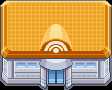 FireRed and LeafGreen
Pokémon Network Center Diamond, Pearl, and Platinum
Sinnoh

 Black, White, Black 2, and White 2
Unova Black 2 and White 2
Victory Road X and Y
Kalos Omega Ruby and Alpha Sapphire
Hoenn Sun, Moon, Ultra Sun, and Ultra Moon
Alola Let's Go, Pikachu! and Let's Go, Eevee!
Kanto Sword and Shield
Galar Brilliant Diamond and Shining Pearl
Sinnoh Scarlet and Violet
Paldea The Teal Mask
Kitakami


Exterior (Japan)
 Red and Green
Kanto Blue
Blue
Kanto Yellow
Kanto Gold, Silver and Crystal
Kanto Gold, Silver and Crystal
Cherrygrove City
 Gold, Silver and Crystal
Azalea Town Gold and Silver
Goldenrod City
 Gold, Silver and Crystal
Ecruteak City Gold, Silver and Crystal
Olivine City Gold, Silver and Crystal
Cianwood City Gold, Silver and Crystal
Mahogany Town Gold, Silver and Crystal
Blackthorn City


Concept artwork
 X and Y
Kalos X and Y
Kalos Sun and Moon
Alola Let's Go, Pikachu! and Let's Go, Eevee!
Kanto Let's Go, Pikachu! and Let's Go, Eevee!
Kanto Sword and Shield
Galar


In the spin-off games
Pokémon Puzzle League
InPokémon Puzzle League, thePuzzle Village contains a Pokémon Center building which simply displays theoptions screen.
Pokémon Pinball: Ruby & Sapphire
- Main article:Pokémon Mart and Pokémon Center (Ruby Field)
In theRuby Field ofPokémon Pinball: Ruby & Sapphire, the same building serves as aPokémon Mart and Pokémon Center. When this building serves as a Pokémon Center, it is used to evolve Pokémon. The "Pokémon Mart" sign turns around and becomes a "Pokémon Center" sign when a Pokémon is able to evolve.
 |  |
| Pokémon Center (closed door) | Pokémon Center (open door) |
Pokémon Trading Card Game series
InPokémon Trading Card Game andPokémon Trading Card Game 2: The Invasion of Team GR!, there is no Pokémon Center. However, theClubs in theTCG Island and Forts in theGR Island have a room at the west side that is visually similar to the interior of Pokémon Centers, which include aPC and female attendants that offer multiplayer features: the Battle Center fordueling and the Gift Center for transferring cards anddeck configurations.
ThePokémon Center card is available in both games.
 |  |
| Pokémon Center (GB1) | Pokémon Center (GB2) |
Pokémon Masters EX
InPokémon Masters EX, the Pokémon Center not only acts as the main menu and entry point to various game modes, but also as a hub where the player can interact with sync pairs they've teamed up with. Pokémon Center is operated by three sisters:Trista,Tricia andTrinnia, who staff the main reception desk, the shop, and the café respectively. Ajukebox is available for the player to listen to songs from the game's soundtrack.
In animation

Pokémon the Series
Pokémon Centers inPokémon the Series are headed by aNurse Joy. The healing process takes place in real-time, unlike in thegames, soAsh andhis friends often have to wait until theirPokémon are fully healed. All Pokémon Centers are connected and, in times of crisis, all Pokémon can betransferred from one to another, as seen inPokémon Emergency!. Pokémon Centers are considered an important service, as shown inCelebi and Joy! where, in the past, the residents ofMarion Town built a Pokémon Center as a community project.
Pokémon Centers are designed forTrainers so they can rest betweenactivities. Trainers use Pokémon Centers as gathering places, so they can share information about Pokémon. They also have access to video phones,PCs,trade machines, and most offer free food and lodging. As aPokémon journey can take a long time, Pokémon Centers can also be used as mailing destinations. In addition, a Trainer can arrange for their loved ones to send them packages, typically to the next Pokémon Center they are traveling to.

Inside a typical Pokémon Center, one can find a front desk, a lobby (sometimes withvending machines), aPoké Ball room, an Emergency Room with plenty of beds for injured Pokémon, a recovery room, a waiting room, rooms for lodging, and a cafeteria. A lobby may also have a large widescreenTV or several smaller TVs so Trainers can watch typically Pokémon-oriented shows, such asSinnoh Now,Pokémon Contest broadcasts, and major competitions like thePokémon League Conference and theGrand Festival of eachregion. A typical sleeping room has a desk and chair and two sets of bunk beds to maximize space and girls do not have to sleep in separate rooms from boys. At least one Pokémon Center was shown inUncrushing Defeat! to have a small library with a PC (presumably connected to some network akin to theInternet), as an information room. It is unknown how these activities performed by a Pokémon Center are financed. On the outside, they come in all shapes and sizes, but usually have a rather largeP somewhere and battlefields where Trainers can practice.
As shown inThe Ghost of Maiden's Peak, Pokémon Centers have a curfew for their residing Trainers. At 11:00 PM a metal screen is lowered down in front of the Pokémon Center's doorway, preventing Trainers from entering or leaving the Pokémon Center after curfew.
InRestore and Renew! andUnder Color of Darkness!, Ash andGoh are seen wearing pajamas provided by the Pokémon Center.
The resident Nurse Joy of the center is usually assisted by a certain type of Pokémon, usually one or variousChansey inKanto,Johto,Hoenn,Sinnoh, and theOrange Islands,Audino inUnova and theDecolore Islands,Wigglytuff inKalos,Blissey andComfey inAlola, orIndeedee inGalar. There are some exceptions in certain Pokémon Centers regardless of region however, for example the Nurse Joy of Johto'sIce Path was assisted by aJynx.
Professor Oak has also written senryū about Pokémon Centers in two of his lectures:
- ForDawn of a New Era!, theProfessor Oak's Big Pokémon Encyclopedia segment featured the senryū "When I want to meet Nurse Joy, Pokémon Center." (Japanese: 「ジョーイさん あいたくなったら ポケモンセンター」)
- ForSaving Darmanitan From the Bell!, theProfessor Oak's Pokémon Holo Caster segment featured the senryū "Nurse Joy, Pokémon Center, without a break." (Japanese: 「ジョーイさん ポケモンセンター やすみなし」)
InThe Island of Illusions, it becomes apparent that a Pokémon Center can be run illegally as one was ran by aZoroark.
Pokédex entries
|
Pokémon Horizons: The Series

| This section is incomplete. Please feel free to edit this section to add missing information and complete it. Reason: needs details about the role of Pokémon Centers in Horizons, with any similarities or differences to PtS described separately here |
Like inPokémon the Series, Pokémon Centers are headed byNurse Joy.
Pokémon Origins

InPokémon Origins, Pokémon Centers are headed by an unnamed nurse. The healing process takes place in real time, unlike in the games, which would often makeRed wait until his Pokémon were fully healed before leaving. Pokémon Centers can also be used as social gathering places where Trainers can share information with other people. Additionally, Trainers have access to video phones and PCs within the Pokémon Center.
Pokémon Evolutions

InThe Champion, people at aGalarian Pokémon Center prepared to watchChampionLeon'sChampionship Match through television.
In the manga

Be the Best! Pokémon B+W
A Pokémon Center appeared inVictini - A New Friend!.Monta received aVictini from a deliveryman there.
 Deliveryman

Movie adaptations
A Pokémon Center located inDahara City appeared inHoopa and the Clash of Ages.
Pokémon Adventures
A Pokémon Center first appeared inWanted: Pikachu!. Many others have since appeared throughout themanga.
Pokémon Gold & Silver: The Golden Boys
A Pokémon Center first appeared inFalkner The Bird Keeper's Challenge!!. Several others were seen later throughout the manga.
Pokémon Pocket Monsters
A Pokémon Center first appeared inBig Battle in the Viridian Forest!!. Other ones appeared inGreat Success in the Mountains or the Seas!? andPMDP15.
Pokémon Journeys
Vermilion City's Pokémon Center appeared inBeyond Chivalry… Aiming to Be a Leek Master!.
Gallery
 A Pokémon Center in Dahara City inHoopa and the Clash of Ages
 A Pokémon Center inPokémon Adventures
 A Pokémon Center inPokémon Gold & Silver: The Golden Boys
 A Pokémon Center inPokémon Pocket Monsters
 Vermilion City Pokémon Center inPokémon Journeys


In the activity books
Pokémon Math Challenge
InPokémon Math Challenge: Grades 4-5 (page 4), there is a math activity stating that a Pokémon Center has 63 rooms that can hold 7 Pokémon each, for a total of 441 Pokémon.
In the TCG
The following is a list of cards namedPokémon Center.
| Pokémon Center Cards listed with ablue background are only legal to use in the currentExpanded format. Cards listed with agreen background are legal to use in both the currentStandard andExpanded formats. | |||||||
|---|---|---|---|---|---|---|---|
| Card | Type | English Expansion | Rarity | # | Japanese Expansion | Rarity | # |
| Pokémon Center | T | Base Set |  | 85/102 | Expansion Pack | | |
| Nivi City Gym | |||||||
| Yamabuki City Gym | |||||||
| Base Set 2 | | 114/130 | |||||
| Wizards Black Star Promos | 40 | ||||||
| Night Pokémon Center | T | Diamond & Pearl | | 108/130 | Space-Time Creation | | |
| Pokémon Center | St | Next Destinies | | 90/99 | Hail Blizzard |  | 051/052 |
| BW-P Promotional cards | 190/BW-P | ||||||
In the TFG
The playmat in thePokémon Trading Figure Game has a Pokémon Center space, which Pokémon are sent to if they lose a battle.
Trivia
- The Pokémon Center inPo Town is the only one in the core series where healing one's Pokémon is not free of charge, as theTeam Skull Grunt behind the desk will charge the player$10.
In other languages
| Language | Title | |
|---|---|---|
| Catalan | Centre Pokémon | |
| Chinese | Cantonese | 寶可夢中心Pokémon Jūngsām* 小精靈中心Síujīnglìhng Jūngsām* |
| Mandarin | 寶可夢中心 / 宝可梦中心Pokémon Zhōngxīn* 神奇寶貝中心 / 神奇宝贝中心Shénqí Bǎobèi Zhōngxīn* | |
| Czech | Pokémoní středisko (manga) Pokémonové středisko (animated series) | |
| Danish | Pokémon-center* | |
| Dutch | Pokémon-Centrum* | |
| Finnish | Pokémon Center* Pokémon-keskus* | |
| French | Canada | Pokémon Center* |
| Europe | Centre Pokémon | |
| German | Pokémon-Center | |
| Hebrew | מרכז פוקימוניםMerkaz Pokémonim | |
| Hungarian | Pokémon központban | |
| Icelandic | Pokémon-miðstöð | |
| Indonesian | Pusat Pokémon | |
| Italian | Centro Pokémon | |
| Korean | 포켓몬센터Pokémon Center | |
| Norwegian | Pokémon Center Pokémonsenter Poké Center[5] | |
| Polish | Centrum Pokémonów* Centrum Pokémon* | |
| Portuguese | Brazil | Centro Pokémon (animated series,Diamond & Pearl, manga, Pokémon Club) Centro de Pokémon (Next Destinies) |
| Portugal | Centro Pokémon | |
| Romanian | Centru Pokémon | |
| Russian | Центр ПокемоновTsentr Pokémonov | |
| Spanish | Centro Pokémon | |
| Swedish | Pokémon Center* Pokémoncenter* | |
| Thai | โปเกมอนเซ็นเตอร์Pokémon Center | |
| Turkish | Pokémon Merkezi | |
| Vietnamese | Trung tâm Pokémon | |
Related articles
References
- ↑Official Pokémon Special Pikachu Edition Perfect Guide, page 65
- ↑Pokémon: Official Nintendo Player's Guide, page 18
- ↑GlitterBerri's Game Translations » Early Concept Art
- ↑4.04.1Shea, Brian (October 4, 2019). "Exclusive Pokémon Sword And Shield Concept Art Gallery."Game Informer (Archived on April 16, 2024.)
- ↑Glossary on Pokemon.no (archived)
 | This article is part ofProject Locations, aBulbapedia project that aims to write comprehensive articles on every location in the Pokémon world. |
- Articles needing images
- Articles needing more information
- Buildings
- Pokémon world
- Kanto locations
- Johto locations
- Hoenn locations
- Sevii locations
- Sinnoh locations
- Unova locations
- Kalos locations
- Alola locations
- Galar locations
- Paldea locations
- Orre locations
- Red, Blue and Yellow locations
- Gold, Silver and Crystal locations
- Ruby and Sapphire locations
- FireRed and LeafGreen locations
- Emerald locations
- Diamond and Pearl locations
- Platinum locations
- HeartGold and SoulSilver locations
- Black and White locations
- Black 2 and White 2 locations
- X and Y locations
- Omega Ruby and Alpha Sapphire locations
- Sun and Moon locations
- Ultra Sun and Ultra Moon locations
- Let's Go, Pikachu! and Let's Go, Eevee! locations
- Sword and Shield locations
- Brilliant Diamond and Shining Pearl locations
- Scarlet and Violet locations
- Colosseum locations
- XD locations

