Everything you need to know about ranked-choice voting in one spot.Click to learn more!

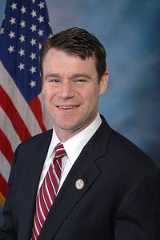
Todd Young

From Ballotpedia
(Redirected fromTodd C. Young)
Todd C. Young
U.S. Senate Indiana
Tenure
2017 - Present
Term ends
2029
Years in position
9
Predecessor:Dan Coats (R)
Prior offices:
U.S. House Indiana District 9
Years in office: 2011 - 2017
Predecessor:Baron Hill (D)
Successor:Trey Hollingsworth (R)
Compensation
Base salary
$174,000
Net worth
(2012) $66,501.50
Elections and appointments
Last election
November 8, 2022
Education
High school
Carmel High School, 1990
Bachelor's
United States Naval Academy
Law
Indiana University
Graduate
University of Chicago, University of London, Institute of United States Studies
Military
Service / branch
U.S. Marine Corps
Years of service
1995 - 2000
Personal
Religion
Christian
Profession
Attorney
Contact

Todd C. Young (Republican Party) is a member of theU.S. Senate from Indiana. He assumed office on January 3, 2017. His current term ends on January 3, 2029.

Young (Republican Party) ran for re-election to theU.S. Senate to represent Indiana. He won in the general election onNovember 8, 2022.

Contents

Biography

Young was born was born inLancaster, Pennsylvania, in 1972.[1] He earned a bachelor's degree in political science from the United States Naval Academy in 1995, an M.B.A. from the University of Chicago in 2000, a master's degree in American politics from the University of London in 2001, and aJ.D. from Indiana University in 2006.[2] Young served in the United States Marine Corps from 1995 to 2000. He also worked as a lawyer, as a staffer to Sen. Richard Lugar (R), and as an assistant deputy prosecutor forOrange County. Young served in theUnited States House of Representatives from 2011 to 2017.[1]

Committee assignments

U.S. Senate

2025-2026

Young was assigned to the following committees:[Source]

2023-2024

Young was assigned to the following committees:[Source]

2021-2022

Young was assigned to the following committees:[Source]

2017-2018

At the beginning of the115th Congress, Young was assigned to the following committees:[3]

U.S. House

2015-2016

Young served on the following committees:[4]

2013-2014

Young served on the following committees:[5][6]

2011-2012

Elections

2022

See also: United States Senate election in Indiana, 2022

General election

General election for U.S. Senate Indiana

The following candidates ran in the general election for U.S. Senate Indiana on November 8, 2022.

Candidate
%
Votes
Image of Todd C. Young
Todd C. Young (R)
 
58.6
 
1,090,390
Image of Thomas McDermott Jr.
Thomas McDermott Jr. (D)
 
37.9
 
704,480
Image of James Sceniak
James Sceniak (L)
 
3.4
 
63,823
Image of Danny Niederberger
Danny Niederberger (Independent) (Write-in) Candidate Connection

 
0.1
 
1,294
Image of Haneefah Khaaliq
Haneefah Khaaliq (Independent) (Write-in) Candidate Connection
 
0.0
 
148
Image of Phillip Beachy
Phillip Beachy (Independent) (Write-in)
 
0.0
 
7
David Storer (Independent) (Write-in)
 
0.0
 
7
Antonio Alvarez (Political Synergy Party) (Write-in)
 
0.0
 
3
Thomas Baer (Independent) (Write-in)
 
0.0
 
2

Ballotpedia Logo

Incumbents arebolded and underlined. The results have been certified. Source

Total votes: 1,860,154
Candidate Connection = candidate completed theBallotpedia Candidate Connection survey.
If you are a candidate and would like to tell readers and voters more about why they should vote for you,complete the Ballotpedia Candidate Connection Survey.

Do you want a spreadsheet of this type of data?Contact our sales team.

Withdrawn or disqualified candidates

Democratic primary election

Democratic primary for U.S. Senate Indiana

Thomas McDermott Jr. advanced from the Democratic primary for U.S. Senate Indiana on May 3, 2022.

Candidate
%
Votes
Image of Thomas McDermott Jr.
Thomas McDermott Jr.
 
100.0
 
173,466

Ballotpedia Logo

There were noincumbents in this race. The results have been certified. Source

Total votes: 173,466
Candidate Connection = candidate completed theBallotpedia Candidate Connection survey.
If you are a candidate and would like to tell readers and voters more about why they should vote for you,complete the Ballotpedia Candidate Connection Survey.

Do you want a spreadsheet of this type of data?Contact our sales team.

Withdrawn or disqualified candidates

Republican primary election

Republican primary for U.S. Senate Indiana

IncumbentTodd C. Young advanced from the Republican primary for U.S. Senate Indiana on May 3, 2022.

Candidate
%
Votes
Image of Todd C. Young
Todd C. Young
 
100.0
 
372,738

Ballotpedia Logo

Incumbents arebolded and underlined. The results have been certified. Source

Total votes: 372,738
Candidate Connection = candidate completed theBallotpedia Candidate Connection survey.
If you are a candidate and would like to tell readers and voters more about why they should vote for you,complete the Ballotpedia Candidate Connection Survey.

Do you want a spreadsheet of this type of data?Contact our sales team.

Withdrawn or disqualified candidates

Libertarian convention

Libertarian convention for U.S. Senate Indiana

James Sceniak defeatedWilliam Henry in the Libertarian convention for U.S. Senate Indiana on March 5, 2022.

Candidate
Image of William Henry
William Henry (L) Candidate Connection
Image of James Sceniak
James Sceniak (L)

Ballotpedia Logo

There were noincumbents in this race. The results have been certified. Source

Candidate Connection = candidate completed theBallotpedia Candidate Connection survey.
If you are a candidate and would like to tell readers and voters more about why they should vote for you,complete the Ballotpedia Candidate Connection Survey.

Do you want a spreadsheet of this type of data?Contact our sales team.

2016

See also:United States Senate election in Indiana, 2016

Todd Young (R) defeatedEvan Bayh (D),Lucy Brenton (L), andJames Johnson (I) (Write-in) in the general election to win retiring incumbentDan Coats' (R) Senate seat on November 8, 2016.[8][9][10]

U.S. Senate, Indiana General Election, 2016
PartyCandidateVote %Votes
    RepublicanGreen check mark transparent.pngTodd Young52.1%1,423,991
    Democratic Evan Bayh42.4%1,158,947
    Libertarian Lucy Brenton5.5%149,481
    N/A Write-in0%127
Total Votes2,732,546
Source:Indiana Election Division


U.S. Senate, Indiana Republican Primary, 2016
CandidateVote %Votes
Green check mark transparent.pngTodd Young67.1%661,136
Marlin Stutzman32.9%324,429
Total Votes985,565
Source:Indiana Secretary of State

2014

See also:Indiana's 9th Congressional District elections, 2014

Young ran forre-election to theU.S. House in 2014. He won the nomination in the Republican primary election on May 6, 2014.{Nov2014genelection}}

U.S. House, Indiana District 9 General Election, 2014
PartyCandidateVote %Votes
    RepublicanGreen check mark transparent.pngTodd YoungIncumbent62.2%101,594
    Democratic Bill Bailey33.7%55,016
    Libertarian Mike Frey4.1%6,777
Total Votes163,387
Source:Indiana Secretary of State Official Results
U.S. House, Indiana District 9 Republican Primary, 2014
CandidateVote %Votes
Green check mark transparent.pngTodd YoungIncumbent79.4%30,402
Kathy Lowe-Heil12%4,607
Mark Jones8.6%3,293
Total Votes38,302
Source:Indiana Division of Elections

2012

See also:Indiana's 9th Congressional District elections, 2012

Young ran in the2012 election for theU.S. House to representIndiana's9th District. He was unopposed in the Republican primary and defeated Democratic nomineeShelli Yoder in the November 6 general election.[11]

U.S. House, Indiana District 9 General Election, 2012
PartyCandidateVote %Votes
    Democratic Shelli Yoder44.6%132,848
    RepublicanGreen check mark transparent.pngTodd YoungIncumbent55.4%165,332
Total Votes298,180
Source:Indiana Secretary of State "House of Representatives Election Results"

Full history

To view the full congressional electoral history for Todd C. Young, click [show] to expand the section.
 

2010

On November 2, 2010, Todd C. Young won election to theUnited States House. He defeated Baron P. Hill (D), Greg "No Bull" Knott (L) and Jerry R. Lucas (I) in the general election.[12]

U.S. House, Indiana District 9 General Election, 2010
PartyCandidateVote %Votes
    RepublicanGreen check mark transparent.pngTodd C. Young52.3%118,040
    Democratic Baron P. Hillincumbent42.3%95,353
    Libertarian Greg "No Bull" Knott5.4%12,070
    Independent Jerry R. Lucas0%69
Total Votes225,532


Campaign themes

2022

Ballotpedia survey responses

See also:Ballotpedia's Candidate Connection

Todd C. Young did not completeBallotpedia's 2022 Candidate Connection survey.

2016

The following issues were listed on Young's campaign website. A full explanation of Young's stance on each issue can be viewedhere.

  • Agriculture: Agriculture is the lifeblood of the Hoosier economy. Products grown in Indiana feed not only the rest of the country, but also the rest of the world. Unfortunately, it has been a trying time to be a Hoosier farmer. The EPA’s WOTUS rule is the biggest unilateral regulatory overreach in recent memory.
  • Education: An education is one of the most fundamental aspects of a young person’s life. It is absolutely crucial that we are able to make decisions to put our children in the best position to succeed. Unfortunately, Washington is dead set on controlling education decisions and budgets.
  • Healthcare: Make no mistake: Obamacare is nothing short of a government takeover of your healthcare. Todd supports a repeal of Obamacare and wants to replace it with common-sense health care reform that keeps your health care decisions between you and your doctor – not between you and the government.
  • Jobs & Economy: Jobs. Too many Americans don't have them, and folks in Washington spend too little time worrying about them. Hoosiers elected Todd to Congress because they wanted a new, conservative approach to economic policies. Government doesn't create jobs, it just tends to get in the way of how small businesses operate. Todd listens to small business owners to learn what obstacles he can remove so they can create more jobs.
  • Tax Reform: Taxes are complicated. Everybody knows that – Todd Young included. That's why he is fighting to have the current tax system simplified in order to reward Americans for working hard, investing and saving the money they've earned. Most importantly, it allows you to keep more of your hard-earned money in your own pocket. We can accomplish this by reforming the current tax code with a simpler system.
  • Spending & Balanced Budget: The single greatest threat to our nation's future – to the future we owe to our children – is the rapidly growing national debt. The plain truth is that that we spend more than we take in and borrow more than 40 cents for every dollar spent. The U.S. is mired in over $16 trillion of debt—roughly the same size as our annual national economy. Five trillion dollars of that has been added since 2008 under the Obama administration. There is no way to spin it, no matter how hard Democrats try: our current path is unsustainable.
  • Medicare, Medicaid & Social Security: Mandatory spending programs like Medicare, Medicaid and Social Security are vital programs to protect the elderly, the sick and the poor. Unfortunately, they are heading for bankruptcy. If we don't act soon, those of us who rely on them most could very well be left without the assistance we've paid into and need. There will be nothing left for future generations.
  • National Defense: One of the most important duties of the government is providing for the public safety and national defense. As a former Marine Corps intelligence officer and a previous member of the House Armed Services Committee, Todd takes this duty very seriously.
  • Pro-Life: Todd knows that life begins at conception, and that the right to life – just like the right to liberty and the pursuit of happiness – is of utmost importance. He also knows not every woman is prepared to raise a child. That's why Todd is also a strong advocate of adoption – support which stretches back to Todd's time in the private sector.
  • 2nd Amendment: As a member of the National Rifle Association and a U.S. Marine, Todd is a proud supporter of the 2nd Amendment. Last Congress Todd was a co-sponsor of a measure that would give national reciprocity to the conceal-carry permits of individual states. When properly licensed gun owners travel with their firearms, they shouldn't have to worry about whether or not they are breaking the law.[13]
—Todd Young's campaign website,https://toddyoung.org/issues

Campaign finance summary


Ballotpedia LogoNote: The finance data shown here comes from the disclosures required of candidates and parties. Depending on the election or state, this may represent only a portion of all the funds spent on their behalf.Satellite spending groups may or may not have expended funds related to the candidate or politician on whose page you are reading this disclaimer. Campaign finance data from elections may be incomplete. For elections to federal offices, complete data can be found at theFEC website. Clickhere for more on federal campaign finance law andhere for more on state campaign finance law.


Todd C. Young campaign contribution history
YearOfficeStatusContributionsExpenditures
2022U.S. Senate IndianaWon general$15,195,406 $11,523,903
2016U.S. Senate, IndianaWon$8,742,225 N/A**
2014U.S. House (Indiana, District 9)Won$2,156,588 N/A**
Grand total$26,094,219 $11,523,903
Sources:OpenSecretsFederal Elections Commission ***This product uses the openFEC API but is not endorsed or certified by the Federal Election Commission (FEC).
** Data on expenditures is not available for this election cycle
Note: Totals above reflect only available data.

Notable endorsements

See also:Ballotpedia: Our approach to covering endorsements

This section displays endorsements this individual made in elections within Ballotpedia'scoverage scope. Know of one we missed?Click here to let us know.

Personal finance disclosures

Members of the Senate are required to file financial disclosure reports. You can search disclosure reports on the Senate’s official websitehere.

Analysis

Below are links to scores and rankings Ballotpedia compiled for members of Congress. We chose analyses that help readers understand how each individual legislator fit into the context of the chamber as a whole in terms of ideology, bill advancement, bipartisanship, and more.

If you would like to suggest an analysis for inclusion in this section, please emaileditor@ballotpedia.org.

119th Congress (2025-2027)

Rankings and scores for the 119th Congress

118th Congress (2023-2025)

Rankings and scores for the 118th Congress

117th Congress (2021-2023)

Rankings and scores for the 117th Congress

116th Congress (2019-2021)

Rankings and scores for the 116th Congress

115th Congress (2017-2019)

Rankings and scores for the 115th Congress

114th Congress (2015-2017)

Rankings and scores for the 114th Congress

113th Congress (2013-2015)

Rankings and scores for the 113th Congress

Key votes

See also:Key votes

Ballotpedia monitors legislation that receives a vote and highlights the ones that we consider to be key to understanding where elected officials stand on the issues. To read more about how we identify key votes, clickhere.

Key votes: 118th Congress, 2023-2025

The118th United States Congress began on January 3, 2023, and ended on January 3, 2025. At the start of the session, Republicans held the majority in theU.S. House of Representatives (222-212), and Democrats held the majority in theU.S. Senate (51-49).Joe Biden (D) was the president andKamala Harris (D) was the vice president. We identified the key votes below usingCongress' top-viewed bills list and through marquee coverage of certain votes on Ballotpedia.

Key votes: 118th Congress, 2023-2025
VoteBill and descriptionStatus
Yes check.svg Yea
National Defense Authorization Act for Fiscal Year 2024
 
The National Defense Authorization Act for Fiscal Year 2024 (H.R. 2670) was a bill passed by the118th Congress and signed into law by PresidentJoe Biden (D) on December 22, 2023, authorizingDepartment of Defense activities and programs for fiscal year 2024. The bill required a simple majority vote in the Senate to pass the bill as amended by a Senate and House conference report.[14]
Yes check.svg Passed (87-13)[15]
Yes check.svg Yea
Further Continuing Appropriations and Other Extensions Act, 2024
 
The Further Continuing Appropriations and Other Extensions Act, 2024 (H.R. 6363) was a bill passed by the118th Congress and signed into law by PresidentJoe Biden (D) on November 17, 2023, providing for the funding of federal agencies through January 19, 2024. The bill prevented a government shutdown that would have taken place if funding was not approved by November 17, 2023. The bill required a three-fifths majority vote in the Senate.[16]
Yes check.svg Passed (87-11)[17]
Yes check.svg Yea
Continuing Appropriations Act, 2024 and Other Extensions Act
 
The Continuing Appropriations Act, 2024 and Other Extensions Act (H.R. 5860) was a bill approved by the118th Congress and signed into law by PresidentJoe Biden (D) on September 30, 2023, providing for the funding of federal agencies through November 17, 2023. The bill prevented a government shutdown that would have taken place if funding was not approved by October 1, 2023. The bill required a three-fifths majority vote in the Senate.[18]
Yes check.svg Passed (88-9)[19]
Yes check.svg Yea
Fiscal Responsibility Act of 2023
 
TheFiscal Responsibility Act of 2023 (H.R. 3746) was a bill passed by the118th Congress and signed into law by PresidentJoe Biden (D) on June 3, 2023. The bill raised the federal debt limit until January 2025. The bill also capped non-defense spending in fiscal year 2024, rescinded unspent coronavirus relief funding, rescinded some Internal Revenue Service (IRS) funding, enhanced work requirements for the Supplemental Nutrition Assistance Program (SNAP) and the Temporary Assistance to Needy Families program (TANF), simplified environmental reviews for energy projects, and ended the student loan debt repayment pause in August 2023. The bill required a three-fifths majority vote in the Senate.[20]Click here to read more.
Yes check.svg Passed (63-36)[21]
Yes check.svg Yea
Relating to a national emergency declared by the President on March 13, 2020.
 
H.J.Res. 7 (Relating to a national emergency declared by the President on March 13, 2020.) was a joint resolution of disapproval under the terms of theCongressional Review Act (CRA) passed by the118th Congress and signed into law by PresidentJoe Biden (D) on April 10, 2023. The resolution ended thenational coronavirus state of emergency, which began on March 13, 2020. The resolution required a simple majority vote in the Senate.[22]Click here to read more.
Yes check.svg Passed (68-23)[23]
Yes check.svg Yea
Providing for congressional disapproval under chapter 8 of title 5, United States Code, of the rule submitted by the Bureau of Alcohol, Tobacco, Firearms, and Explosives relating to "Factoring Criteria for Firearms with Attached 'Stabilizing Braces'".
 
H.J.Res. 44 (Providing for congressional disapproval under chapter 8 of title 5, United States Code, of the rule submitted by the Bureau of Alcohol, Tobacco, Firearms, and Explosives relating to "Factoring Criteria for Firearms with Attached 'Stabilizing Braces'".) was a joint resolution of disapproval under the terms of theCongressional Review Act (CRA) passed by theHouse of Representatives and voted down by theSenate. The bill sought to nullify aBureau of Alcohol, Tobacco, Firearms, and Explosives (ATF) rule establishing criteria to determine whether firearms equipped with stabilizing braces that facilitate shoulder fire were subject to regulation under the National Firearms Act. The resolution required a simple majority vote in the Senate.[24]
Red x.svg Failed (50-49)[25]
Yes check.svg Yea
Providing for congressional disapproval under chapter 8 of title 5, United States Code, of the rule submitted by the Department of Labor relating to "Prudence and Loyalty in Selecting Plan Investments and Exercising Shareholder Rights".
 
H.J.Res. 30 (Providing for congressional disapproval under chapter 8 of title 5, United States Code, of the rule submitted by the Department of Labor relating to "Prudence and Loyalty in Selecting Plan Investments and Exercising Shareholder Rights".) was a joint resolution of disapproval under the terms of theCongressional Review Act (CRA) passed by the118th Congress andvetoed by PresidentJoe Biden (D) on March 20, 2023. This was Biden's first veto of his presidency. The resolution sought to nullify aDepartment of Labor rule that amended the Employee Retirement Income Security Act of 1974 (ERISA) to allow retirement plans to consider certainenvironmental, social, and corporate governance (ESG) factors in investment-related decisions. The resolution required a simple majority vote in the Senate.[26]Click here to read more.
Yes check.svg Passed (50-46)[27]
Red x.svg Nay
The Social Security Fairness Act of 2023
 
The Social Security Fairness Act of 2023 (H.R. 82) was a bill passed by the118th Congress and signed into law by PresidentJoe Biden (D) on January 5, 2025, that reduced Social Security benefits for individuals who received other pensions from state or local governments. It also eliminated an offset that would reduce benefits for spouses and widows of individuals with government pensions. It also eliminated a provision that reduced benefits for an individual who received a pension or disability benefit from an employer that did not withhold Social Security taxes. This bill required a 2/3rds majority vote to pass.[28]
Yes check.svg Passed (76-20)[29]
Yes check.svg Yea
Consolidated Appropriations Act 2024
 
The Consolidated Appropriations Act 2024 (H.R. 4366) was a bill passed by the118th Congress and signed into law by PresidentJoe Biden (D) on March 9, 2024, authorizing appropriations for various government departments for the fiscal year 2024. The bill required a two-thirds majority vote in the House to pass the bill as amended by a Senate and House conference report.[30]
Yes check.svg Passed (75-22)[31]
Yes check.svg Yea
FAA Reauthorization Act of 2024
 
The FAA Reauthorization Act of 2024 (H.R. 3935) was a bill passed by the118th Congress and signed into law by PresidentJoe Biden (D) on May 16, 2024, that reauthorized Federal Aviation Administration funding until fiscal year 2028. The bill also made other modifications to address various department-related issues. The bill required a two-thirds majority vote in the House to pass the bill as amended by a Senate and House conference report.[32]
Yes check.svg Passed (88-4)[33]
Red x.svg Nay
Impeaching Alejandro Nicholas Mayorkas, Secretary of Homeland Security, for high crimes and misdemeanors (dismissal of first article)
 
H.Res.863 Impeaching Alejandro Nicholas Mayorkas, Secretary of Homeland Security, for high crimes and misdemeanors, passed the U.S. House on February 13, 2024. The resolution impeached U.S. Secretary of Homeland Security Alejandro Mayorkas for high crimes and misdemeanors. The motion to impeach required a majority in the House and a 2/3rds vote in the Senate.[34]
Yes check.svg Passed (51-48)[35]
Red x.svg Nay
Impeaching Alejandro Nicholas Mayorkas, Secretary of Homeland Security, for high crimes and misdemeanors (dismissal of second article)
 
H.Res.863 Impeaching Alejandro Nicholas Mayorkas, Secretary of Homeland Security, for high crimes and misdemeanors, passed the U.S. House on February 13, 2024. The resolution impeached U.S. Secretary of Homeland Security Alejandro Mayorkas for high crimes and misdemeanors. The motion to impeach required a majority in the House and a 2/3rds vote in the Senate.[36]
Yes check.svg Passed (51-49)[37]
Yes check.svg Yea
Making emergency supplemental appropriations for the fiscal year ending September 30, 2024, and for other purposes.
 
H.R. 815, Making emergency supplemental appropriations for the fiscal year ending September 30, 2024, and for other purposes, was passed by the118th Congress and signed into law by PresidentJoe Biden (D) on April 24, 2024, appropriating foreign aid to Israel, Taiwan, and Ukraine. The bill also mandated the company ByteDance divested from TikTok or the app would be removed from the U.S. This bill required a majority vote.[38]
Yes check.svg Passed (79-18)[39]
Red x.svg Nay
Border Act of 2024
 
The Border Act of 2024 (S.4361) was voted down in theU.S. Senate on April 23, 2024. The bill would have expanded the Department of Homeland Security's capabilities of handling individuals entering/residing in the country without permission. It would have expanded the Department's capabilities at the border. It required 3/5ths of the vote to pass cloture.[40]
Red x.svg Failed (43-50)[41]
Red x.svg Nay
Right to IVF Act
 
S.4445, the Right to IVF Act, was voted down in theU.S. Senate on September 17, 2024. The bill would have codified access to in vitro fertilization (IVF) into law. This bill required a 3/5ths majority vote to pass cloture.[42]
Red x.svg Failed (51-44)[43]
Yes check.svg Yea
Continuing Appropriations and Extensions Act, 2025
 
H.R.9747, the Continuing Appropriations and Extensions Act, 2025, was passed by the118th Congress and signed into law by PresidentJoe Biden (D) on September 26, 2024, providing funding to federal agencies, including the Secret Service, and federal programs for the 2025 fiscal year. The bill required a two-thirds majority vote in the House to pass the bill as amended by a Senate and House conference report.[44]
Yes check.svg Passed (78-18)[45]
Red x.svg Nay
Tax Relief for American Families and Workers Act of 2024
 
The Tax Relief for American Families and Workers Act of 2024 (H.R.7024) was a bill passed by theU.S. House on January 31, 2024, that would have modified the U.S. tax code, increasing how much money can be given back in credits and what is exempt. This bill required a 2/3rds majority vote to pass.[46]
Red x.svg Failed (48-44)[47]


Key votes: Previous sessions of Congress

Key votes

Key votes: 117th Congress, 2021-2023

The117th United States Congress began on January 3, 2021 and ended on January 3, 2023. At the start of the session, Democrats held the majority in theU.S. House of Representatives (222-213), and theU.S. Senate had a 50-50 makeup. Democrats assumed control of the Senate on January 20, 2021, when PresidentJoe Biden (D) and Vice PresidentKamala Harris (D), who acted as a tie-breaking vote in the chamber, assumed office. We identified the key votes below usingCongress' top-viewed bills list and through marquee coverage of certain votes on Ballotpedia.

Key votes: 117th Congress, 2021-2023
VoteBill and descriptionStatus
Red x.svg Nay
Infrastructure Investment and Jobs Act
 
TheInfrastructure Investment and Jobs Act (H.R. 3684) was a federal infrastructure bill passed by the 117th Congress and signed into law by President Joe Biden (D) on November 15, 2021. Among other provisions, the bill provided funding for new infrastructure projects and reauthorizations, Amtrak maintenance and development, bridge repair, replacement, and rehabilitation, clean drinking water, high-speed internet, and clean energy transmission and power infrastructure upgrades. The bill required a 3/5 majority vote in the Senate to invoke cloture and a 1/2 majority vote on passage.[48]Click here to read more.
Yes check.svg Passed (69-30)
Red x.svg Nay
American Rescue Plan Act of 2021
 
TheAmerican Rescue Plan Act of 2021 (H.R. 1319) was a bill passed by the 117th Congress and signed into law by President Joe Biden (D) on March 11, 2021, to provide economic relief in response to the COVID-19 pandemic. Key features of the bill included funding for a national vaccination program and response, funding to safely reopen schools, distribution of $1,400 per person in relief payments, and extended unemployment benefits. The bill required a 1/2 majority vote in the Senate.[49]Click here to read more.
Yes check.svg Passed (50-49)
Red x.svg Nay
Inflation Reduction Act of 2022
 
TheInflation Reduction Act of 2022 (H.R. 5376) was a bill passed by the 117th Congress and signed into law by President Joe Biden (D) on August 16, 2022, to address climate change, healthcare costs, and tax enforcement. Key features of the bill included a $369 billion investment to address energy security and climate change, an extension of Affordable Care Act subsidies, allowing Medicare to negotiate certain drug prices, a 15% corporate minimum tax, a 1% stock buyback fee, and enhanced Internal Revenue Service (IRS) enforcement, and an estimated $300 billion deficit reduction from 2022-2031. The bill required a 1/2 majority vote in the Senate.[50]Click here to read more.
Yes check.svg Passed (51-50)
Yes check.svg Yea
National Defense Authorization Act for Fiscal Year 2022
 
The National Defense Authorization Act for Fiscal Year 2022 (S. 1605) was a bill passed by the 117th Congress and signed into law by President Joe Biden (D) on December 27, 2021, authorizingDepartment of Defense acitivities and programs for fiscal year 2022. The bill required a 3/5 majority vote in the Senate to invoke cloture and a 1/2 majority vote on passage.[51]
Yes check.svg Passed (88-11)
Yes check.svg Yea
James M. Inhofe National Defense Authorization Act for Fiscal Year 2023
 
The James M. Inhofe National Defense Authorization Act for Fiscal Year 2023 (H.R. 7776) was a bill passed by the 117th Congress and signed into law by President Joe Biden (D) on December 23, 2022, authorizing Department of Defense activities and programs for fiscal year 2023. The bill required a 3/5 majority vote in the Senate to invoke cloture and a 1/2 majority vote on passage.[52]
Yes check.svg Passed (83-11)
Yes check.svg Yea
Sergeant First Class Heath Robinson Honoring our Promise to Address Comprehensive Toxics Act of 2022
 
The Sergeant First Class Heath Robinson Honoring our Promise to Address Comprehensive Toxics Act of 2022 (S. 3373) was a bill passed by the 117th Congress and signed into law by President Joe Biden (D) on August 10, 2022, that sought to address healthcare access, the presumption of service-connection, and research, resources, and other matters related to veterans who were exposed to toxic substances during military service. The bill required a 3/5 majority vote in the Senate to invoke cloture and a 1/2 majority vote on passage.[53]
Yes check.svg Passed (86-11)
Yes check.svg Yea
Chips and Science Act
 
The Chips and Science Act (H.R. 4346) was a bill approved by the 117th Congress and signed into law by President Joe Biden (D) on August 9, 2022, which sought to fund domestic production of semiconductors and authorized various federal science agency programs and activities. The bill required a 3/5 majority vote in the Senate to invoke cloture and a 1/2 majority vote on passage.[54]
Yes check.svg Passed (64-33)
Red x.svg Nay
Women’s Health Protection Act of 2021
 
The Women's Health Protection Act of 2021 (H.R. 3755) was a bill passed by the House of Representatives. The bill proposed prohibiting governmental restrictions on the provision of and access to abortion services and prohibiting governments from issuing some other abortion-related restrictions. The bill required a 3/5 majority vote in the Senate to invoke cloture and a 1/2 majority vote on passage.[55]
Red x.svg Failed (46-48)
Yes check.svg Yea
Consolidated Appropriations Act, 2022
 
The Consolidated Appropriations Act, 2022 (H.R. 2471) was a bill passed by the 117th Congress and signed into law by President Joe Biden (D) on March 15, 2022, providing for the funding of federal agencies for the remainder of 2022, providing funding for activities related to Ukraine, and modifying or establishing various programs. The bill required a 3/5 majority vote in the Senate to invoke cloture and a 1/2 majority vote on passage.[56]
Yes check.svg Passed (68-31)
Yes check.svg Yea
Respect for Marriage Act
 
TheRespect for Marriage Act (H.R. 8404) was a bill passed by the 117th Congress and signed into law by President Joe Biden (D) on December 13, 2022. The bill codified the recognition of marriages between individuals of the same sex and of different races, ethnicities, or national origins, and provided that the law would not impact religious liberty or conscience protections, or provide grounds to compel nonprofit religious organizations to recognize same-sex marriages. The bill required a 3/5 majority vote in the Senate to invoke cloture and a 1/2 majority vote on passage.[57]Click here to read more.
Yes check.svg Passed (61-36)
Yes check.svg Yea
Continuing Appropriations and Ukraine Supplemental Appropriations Act, 2023
 
The Continuing Appropriations and Ukraine Supplemental Appropriations Act, 2023 (H.R. 6833) was a bill approved by the 117th Congress and signed into law by President Joe Biden (D) on September 30, 2022. It provided for some fiscal year 2023 appropriations, supplemental funds for Ukraine, and extended several other programs and authorities. The bill required a 3/5 majority vote in the Senate to invoke cloture and a 1/2 majority vote on passage.[58]
Yes check.svg Passed (72-25)
Yes check.svg Yea
COVID-19 Hate Crimes Act
 
The COVID-19 Hate Crimes Act (S. 937) was a bill passed by the 117th Congress and signed into law by President Joe Biden (D) on May 20, 2021, that included provisions to designate an officer or employee of theDepartment of Justice (DOJ) to facilitate expedited review of hate crimes, required the DOJ to issue guidance to law enforcement agencies aimed to establish online hate crime reporting processes and to raise awareness about hate crimes during the COVID-19 pandemic, and established state grants to create hate crime reporting hotlines, among other related provisions. The bill required a 3/5 majority vote in the Senate to invoke cloture and a 1/2 majority vote on passage.[59]
Yes check.svg Passed (94-1)
Yes check.svg Yea
Postal Service Reform Act of 2022
 
The Postal Service Reform Act of 2022 (H.R. 3076) was a bill passed by the 117th Congress and signed into law by President Joe Biden (D) on April 6, 2022, that sought to address healthcare and retirement benefits for postal workers, allow USPS to provide certain nonpostal products and services, and expand service performance and budgetary reporting. The bill required a 3/5 majority vote in the Senate to invoke cloture and a 1/2 majority vote on passage.[60]
Yes check.svg Passed (79-19)
Yes check.svg Yea
Bipartisan Safer Communities Act
 
TheBipartisan Safer Communities Act (S. 2938) was a firearm regulation and mental health bill passed by the 117th Congress and signed into law by President Joe Biden (D) on June 25, 2022. Provisions of the bill included expanding background checks for individuals under the age of 21, providing funding for mental health services, preventing individuals who had been convicted of a domestic violence misdemeanor or felony in dating relationships from purchasing firearms for five years, providing funding for state grants to implement crisis intervention order programs, and providing funding for community-based violence prevention initiatives. The bill required a 3/5 majority vote in the Senate to invoke cloture and a 1/2 majority vote on passage.[61]Click here to read more.
Yes check.svg Passed (65-33)
Yes check.svg Yea
Extending Government Funding and Delivering Emergency Assistance Act
 
The Extending Government Funding and Delivering Emergency Assistance Act (H.R. 5305) was a bill passed by the 117th Congress and signed into law by President Joe Biden (D) on September 30, 2021, that provided for continuing fiscal year 2022 appropriations to federal agencies through December 3, 2021, in order to prevent a government shutdown that would have otherwise occurred if fiscal year 2022 appropriations bills had not been passed by October 1, 2021. The bill required a 3/5 majority vote in the Senate.[62]
Yes check.svg Passed (65-35)
Red x.svg Not guilty
Impeaching Donald John Trump, President of the United States, for high crimes and misdemeanors.
 
This was a resolution before the 117th Congress setting forth anarticle of impeachment saying thatDonald Trump (R) incited an insurrection against the government of the United States on January 6, 2021. The House of Representatives approved the article of impeachment, and the Senate adjudged that Trump was not guilty of the charges. Conviction on the impeachment charges required a 2/3 majority vote in the Senate.[63]Click here to read more.
Red x.svg Not guilty (57-43)
Red x.svg Nay
Domestic Terrorism Prevention Act of 2022
 
The Domestic Terrorism Prevention Act of 2022 (H.R. 350) was a bill passed by the House of Representatives and voted down by the Senate in a failed cloture vote that sought to expand the availability and reporting of information about domestic terrorism, enhance the Department of Homeland Security (DHS), the Department of Justice (DOJ), and the Federal Bureau of Investigation's (FBI) ability to prosecute domestic terrorism, among other things. The bill required a 3/5 majority vote in the Senate to invoke cloture and a 1/2 majority vote on passage.[64]
Red x.svg Failed (47-47)
Red x.svg Nay
A concurrent resolution setting forth the congressional budget for the United States Government for fiscal year 2022 and setting forth the appropriate budgetary levels for fiscal years 2023 through 2031.
 
This concurrent resolution (S.Con.Res. 14) was a budget resolution passed by the 117th Congress outlining the fiscal year 2022 federal government budget, setting forth budgetary levels for fiscal years 2023-2031, and providing reconciliation instructions for legislation that increased the deficit. It contained a proposed framework for theBuild Back Better Act. The resolution required 1/2 majority vote in the Senate.[65]Click here to read more.
Yes check.svg Passed (50-49)
Red x.svg Nay
Freedom to Vote: John R. Lewis Act
 
TheFreedom to Vote: John R. Lewis Act was a federal elections bill approved by the House of Representatives and voted down by the Senate in a failed cloture vote that sought to, among other provisions, make Election Day a public holiday, allow for same-day voter registration, establish minimum early voting periods, and allow absentee voting for any reason, restrict the removal of local election administrators in federal elections, regulate congressional redistricting, expand campaign finance disclosure rules for some organizations, and amend the Voting Rights Act to require some states to obtain clearance from the U.S. Department of Justice before implementing new election laws. The bill required a 3/5 majority vote in the Senate to invoke cloture and a 1/2 majority vote on passage.[66]Click here to read more.
Red x.svg Failed (49-51)
Yes check.svg Yea
Electoral Count Reform and Presidential Transition Improvement Act of 2022
 
TheElectoral Count Reform and Presidential Transition Improvement Act was a bill passed by the 117th Congress in the form of an amendment to a year-end omnibus funding bill that was signed into law by President Joe Biden (D) on December 23, 2022. The bill changed the procedure for counting electoral votes outlined in the Electoral Count Act of 1887. Elements of the bill included specifying that the vice president's role at the joint session of congress to count electoral votes is ministerial, raising the objection threshold at the joint session of congress to count electoral votes to one-fifth of the members of both the House of Representatives and the Senate, identifying governors as the single official responsible for submitting the certificate of ascertainment identifying that state’s electors, and providing for expedited judicial review of certain claims about states' certificates identifying their electors. The bill required a 3/5 majority vote in the Senate to concur in the House's version of the bill.[67]Click here to read more.
Yes check.svg Passed (68-29)


Key votes: 116th Congress, 2019-2021

The116th United States Congress began on January 9, 2019, and ended on January 3, 2021. At the start of the session, Democrats held the majority in theU.S. House of Representatives (235-200), and Republicans held the majority in theU.S. Senate (53-47).Donald Trump (R) was the president andMike Pence (R) was the vice president. We identified the key votes below usingCongress' top-viewed bills list and through marquee coverage of certain votes on Ballotpedia.

Key votes: 116th Congress, 2019-2021
VoteBill and descriptionStatus
Yes check.svg Yea
CARES Act
 
The Coronavirus Aid, Relief, and Economic Security (CARES) Act (H.R. 748) was a bill passed by the 116th Congress and signed into law by President Donald Trump (R) on March 27, 2020, that expanded benefits through the joint federal-state unemployment insurance program during the coronavirus pandemic. The legislation also included $1,200 payments to certain individuals, funding for Supplemental Nutrition Assistance Program (SNAP) benefits, and funds for businesses, hospitals, and state and local governments. The bill required a three-fifths majority vote in the Senate.[68]
Yes check.svg Passed (96-0)
Yes check.svg Yea
National Defense Authorization Act for Fiscal Year 2020
 
The National Defense Authorization Act for Fiscal Year 2020 (S. 1790) was a bill passed by the 116th Congress and signed into law by President Donald Trump (R) on December 20, 2019, setting policies and appropriations for the Department of Defense. Key features of this bill include appropriations for research/development, procurement, military construction, and operation/maintenence, as well as policies for paid family leave, North Korea nuclear sanctions, limiting the use of criminal history in federal hiring and contracting, military housing privatization, and paid family leave for federal personnel. This bill required a simple majroity vote in the Senate.[69]
Yes check.svg Passed (86-8)
Yes check.svg Yea
Families First Coronavirus Response Act
 
The Families First Coronavirus Response Act (H.R. 6201) was a bill passed by the 116th Congress and signed into law by President Donald Trump (R) on March 18, 2020, addressing the COVID-19 pandemic by increasing access to unemployment benefits and food assistance, increasing funding for Medicaid, providing free testing for COVID-19, and requiring employers to provide paid sick time to employees who cannot work due to COVID-19. The bill required a three-fifths majority vote in the Senate.[70]
Yes check.svg Passed (90-8)
Yes check.svg Yea
Further Consolidated Appropriations Act, 2020
 
The Further Consolidated Appropriations Act, 2020 (H.R. 1865) was a bill passed by the 116th Congress and signed into law by President Donald Trump (R) on December 20, 2019, providing appropriations for federal agencies in fiscal year 2020. This bill required a simple majority vote in the Senate.[71]
Yes check.svg Passed (71-23)
Yes check.svg Yea
Coronavirus Preparedness and Response Supplemental Appropriations Act, 2020
 
The Coronavirus Preparedness and Response Supplemental Appropriations Act, 2020 (H.R. 6074) was a bill passed by the 116th Congress and signed into law by President Donald Trump on March 6, 2020, providing emergency funding to federal agencies in response to the COVID-19 outbreak. Key features of the bill include funding for vaccine research, small business loans, humanitarian assistance to affected foreign countries, emergency preparedness, and grants for public health agencies and organizations. This bill required a three-fifths majority vote in the Senate.[72]
Yes check.svg Passed (96-1)
Yes check.svg Yea
Consolidated Appropriations Act, 2019
 
The Consolidated Appropriations Act, 2019 (H.J.Res. 31) was a bill passed by the 116th Congress and signed into law by President Donald Trump on February 15, 2019, providing approrations for Fiscal Year 2019. This bill required a simple majority vote in the Senate.[73]
Yes check.svg Passed (83-16)
Yes check.svg Yea
John D. Dingell, Jr. Conservation, Management, and Recreation Act
 
The John D. Dingell, Jr. Conservation, Management, and Recreation Act (S. 47) was a bill passed by the 116th Congress and signed into law by President Doanld Trump on March 12, 2019. This bill sought to set provisions for federal land management and conservation by doing things such as conducting land exchanges and conveyances, establishing programs to respond to wildfires, and extending and reauthorizing wildlife conservation programs. This bill required a simple majority vote in the Senate.[74]
Yes check.svg Passed (92-8)
Yes check.svg Yea
William M. (Mac) Thornberry National Defense Authorization Act for Fiscal Year 2021 (passage)
 
The William M. (Mac) Thornberry National Defense Authorization Act for Fiscal Year 2021 (H.R. 6395) was a bill passed by the 116th Congress and vetoed by President Donald Trump on December 23, 2020. Congress voted to override Trump's veto, and the bill became law on January 1, 2021. The bill set Department of Defense policies and appropriations for Fiscal Year 2021. Trump vetoed the bill due to disagreement with provisions related to Section 230 of the Communications Decency Act, the renaming of certain military installations, limits on emergency military construction fund usage, and limits on troop withdrawals. This bill required a simple majority vote in the Senate on passage, and a two-thirds majority vote to overcome the veto.[75]
Yes check.svg Passed (84-13)
Yes check.svg Yea
William M. (Mac) Thornberry National Defense Authorization Act for Fiscal Year 2021 (overcoming veto)
 
The William M. (Mac) Thornberry National Defense Authorization Act for Fiscal Year 2021 (H.R. 6395) was a bill passed by the 116th Congress and vetoed by President Donald Trump on December 23, 2020. Congress voted to override Trump's veto, and the bill became law on January 1, 2021. The bill set Department of Defense policies and appropriations for Fiscal Year 2021. Trump vetoed the bill due to disagreement with provisions related to Section 230 of the Communications Decency Act, the renaming of certain military installations, limits on emergency military construction fund usage, and limits on troop withdrawals. This bill required a simple majority vote in the Senate on passage, and a two-thirds majority vote to overcome the veto.[76]
Yes check.svg Passed (81-13)
Yes check.svg Yea
Strengthening America's Security in the Middle East Act of 2019
 
The Strengthening America's Security in the Middle East Act of 2019 (S. 1) is a bill approved by the Senate that sought to address security in certain Middle Eastern countries by sending resources to Israel, extending defense cooperation in Jordan, establishing sanctions related to the conflict in Syria, and allowing states to divest from entities boycotting Israel. The bill required a simple majority vote in the Senate.[77]
Yes check.svg Passed (77-23)
Yes check.svg Yea
Continuing Appropriations Act, 2021 and Other Extensions Act
 
The Continuing Appropriations Act, 2021 and Other Extensions Act (H.R. 8337) was a bill passed by the 116th Congress and signed into law by President Donald Trump on October 1st, 2020, continuing appropriations to federal agencies for Fiscal Year 2021 as well as extending certain expiring programs that address issues such as health care, surface transportation, agriculture, and veterans benefits. This bill required a simple majority vote in the Senate.[78]
Yes check.svg Passed (84-10)
Yes check.svg Yea
Consolidated Appropriations Act, 2020
 
The Consolidated Appropriations Act, 2020 (H.R. 1158) was a bill passed by the 116th Congress and signed into law by President Donald Trump on December 20, 2019, providing appropriations for the 2020 Fiscal Year for federal agencies. This bill required a simple majority vote in the Senate.[79]
Yes check.svg Passed (81-11)
Yes check.svg Yea
Further Continuing Appropriations Act, 2020, and Further Health Extenders Act of 2019
 
The Further Continuing Appropriations Act, 2020, and Further Health Extenders Act of 2019 (H.R. 3055) was a bill passed by the 116th Congress and signed into law by President Donald Trump (R) on December 20, 2019, providing Fiscal Year 2020 appropriations to federal agencies through December 20, 2019 and extending certain programs and authorites that were set to expire. This bill prevented a government shutdown, and provided a pay raise for the military, repealed a revocation of state highway funding, and modified the United States Victims of State Sponsored Terrorism Fund. This bill required a two-thirds majority vote in the Senate.[80]
Yes check.svg Passed (74-20)
Yes check.svg Yea
Never Forget the Heroes: James Zadroga, Ray Pfeifer, and Luis Alvarez Permanent Authorization of the September 11th Victim Compensation Fund Act
 
The Never Forget the Heroes: James Zadroga, Ray Pfeifer, and Luis Alvarez Permanent Authorization of the September 11th Victim Compensation Fund Act (H.R. 1327) was a bill passed by the 116th Congress and signed into law by President Donald Trump on July 29, 2019, providing funds for the September 11th Victim Compensation Fund of 2001. Key features of the bill included allowing claims to be filed until October 2090, removing the cap on noneconomic damages in certain circumstances, and periodically adjusting the annual limit on economic loss compensation for inflation. This bill required a simple majority vote from the Senate.[81]
Yes check.svg Passed (97-2)
Red x.svg Not guilty
Impeaching Donald John Trump, President of the United States, for high crimes and misdemeanors. (article 1)
 
The 2020 impeachment of Donald Trump (R) was a resolution before the 116th Congress to set forth two articles of impeachment saying that Trump abused his power and obstructed congress. The first article was related to allegations that Trump requested the Ukrainian government investigate former Vice President Joe Biden (D) and his son, Hunter Biden, in exchange for aid, and the second was related to Trump's response to the impeachment inquiry.The House of Representatives approved both articles of impeachment, and the Senate adjudged that Trump was not guilty of either charge. Conviction on the impeachment charges required a two-thirds majority vote in the Senate.[82]
Red x.svg Not Guilty (52-48)
Red x.svg Not guilty
Impeaching Donald John Trump, President of the United States, for high crimes and misdemeanors. (article 2)
 
The 2020 impeachment of Donald Trump (R) was a resolution before the 116th Congress to set forth two articles of impeachment saying that Trump abused his power and obstructed congress. The first article was related to allegations that Trump requested the Ukrainian government investigate former Vice President Joe Biden (D) and his son, Hunter Biden, in exchange for aid, and the second was related to Trump's response to the impeachment inquiry.The House of Representatives approved both articles of impeachment, and the Senate adjudged that Trump was not guilty of either charge. Conviction on the impeachment charges required a two-thirds majority vote in the Senate.[83]
Red x.svg Not Guilty (53-47)
Yes check.svg Yea
United States-Mexico-Canada Agreement Implementation Act
 
The United States-Mexico-Canada Agreement Implementation Act (H.R. 5430) was a bill passed by the 116th Congress and signed into law by President Donald Trump (R) on October 21, 2020, establishing a trade agreement between the United States, Mexico, and Canada meant to replace the North American Free Trade Agreement (NAFTA) by establishing provisions such as labor and environment monitoring and enforcement, de minimis levels for U.S. exports, and cooperation among treaty members to prevent duty evasion. This bill required a simple majority vote in the Senate.[84]
Yes check.svg Passed (89-10)
Yes check.svg Yea
Pallone-Thune Telephone Robocall Abuse Criminal Enforcement and Deterrence Act
 
The Pallone-Thune Telephone Robocall Abuse Criminal Enforcement and Deterrence Act (S. 151) was a bill passed by the 116th Congress and signed into law by President Donald Trump (R) on December 30, 2019, setting forth rules to reduce criminal robot calls. Some key featues of the bill included requiring voice service providers to develop call authentication technologies, creating rules to protect a subscriber from receiving unwanted calls or texts from a caller using an unauthenticated number, and protecting individuals from one-ring scams. This bill required a simple majority vote in the Senate.[85]
Yes check.svg Passed (97-1)
Yes check.svg Yea
Emergency Supplemental Appropriations for Humanitarian Assistance and Security at the Southern Border Act, 2019
 
The Emergency Supplemental Appropriations for Humanitarian Assistance and Security at the Southern Border Act, 2019 (H.R. 3401) was a bill passed by the 116th Congress and signed into law by President Donald Trump (R) on July 1, 2019, providing emergency approprations for humanitarian assistance and security to respond to people attempting to enter the United States at the southern border. This bill required a three-fifths majority vote in the Senate.[86]
Yes check.svg Passed (84-8)
Yes check.svg Yea
Additional Supplemental Appropriations for Disaster Relief Act, 2019
 
The Additional Supplemental Appropriations for Disaster Relief Act, 2019 (H.R. 2157) was a bill passed by the 116th Congress and signed into law by President Donald Trump on June 6, 2019, providing approprations to certain federal departments in order to address expenses incured by recent natural disasters. This bill required a simple majority vote in the Senate.[87]
Yes check.svg Passed (85-8)
Red x.svg Nay
Relating to a national emergency declared by the President on February 15, 2019.
 
H.J.Res.46 (Relating to a national emergency declared by the President on February 15, 2019.) was a resolution passed by the 116th Congress and vetoed by President Donald Trump (R). This resolution sought to terminate the national emergency related to the U.S.-Mexico border, declared by President Trump on February 15, 2019. The bill required a simple majority vote in the Senate.[88]
Yes check.svg Passed (59-41)


Key votes: 115th Congress, 2017-2018

For detailed information about each vote, clickhere.

  • Votes on domestic policy (click to expand)

    VotedYea on: First Step Act of 2018 (S 756)

    Yes check.svg Motion Agreed to (87-12) on December 18, 2018
    Proposed making changes to the criminal justice system.[89]

    VotedYea on: Agriculture Improvement Act of 2018 (HR 2)

    Yes check.svg Conference Report Agreed to (87-13) on December 11, 2018
    Proposed providing funding for commodity support, conservation, trade and international food aid, nutrition assistance, farm credit, rural development, research and extension activities, forestry, horticulture, and crop insurance through fiscal year 2023.[90]

    VotedYea on: "Brett M. Kavanaugh, of Maryland, to be an Associate Justice of the Supreme Court of the United States" (PN2259)

    Yes check.svg Nomination Confirmed (50-48) on October 6, 2018
    Brett M. Kavanaugh, of Maryland, to be an Associate Justice of the Supreme Court of the United States[91]

    VotedYea on: "Brett M. Kavanaugh, of Maryland, to be an Associate Justice of the Supreme Court of the United States" (PN2259)

    Yes check.svg Cloture Motion Agreed to (51-49) on October 5, 2018
    Brett M. Kavanaugh, of Maryland, to be an Associate Justice of the Supreme Court of the United States[92]

    VotedYea on: Agriculture and Nutrition Act of 2018 (HR 2)

    Yes check.svg Bill Passed (86-11, 3/5 majority required) on June 28, 2018
    Proposed providing funding for commodity support, conservation, trade and international food aid, nutrition assistance, farm credit, rural development, research and extension activities, forestry, horticulture, and crop insurance.[93]

    VotedYea on: Immigration reform proposal from Sen. Chuck Grassley and the Trump administration (S Amdt 1959 to HR 2579)

    Red x.svg Cloture Motion Rejected (39-60, 3/5 majority required) on February 15, 2018
    Proposed providing a path to citizenship for 1.8 million individuals brought into the U.S. without legal permission as children, $25 billion for border security, limits on chain migration or family-based migration, and eliminating the visa lottery system.[94]

    VotedNay on: Immigration reform proposal from the Common Sense Coalition (S Amdt 1958 to HR 2579)

    Red x.svg Cloture Motion Rejected (54-45, 3/5 majority required) on February 15, 2018
    Proposed providing a path to citizenship for individuals brought into the U.S. without legal permission as children, $25 billion for border security, and limitations on chain or family-based immigration.[95]

    VotedYea on: Stop Dangerous Sanctuary Cities Act amendment (S Amdt 1948 to S Amdt 1959)

    Red x.svg Cloture Motion Rejected (54-45, 3/5 majority required) on February 15, 2018
    Proposed withholding funding from sanctuary jurisdictions for not cooperating with federal immigration officials.[96]

    VotedNay on: Coons-McCain immigration plan (S Amdt 1955 to S Amdt 1958)

    Red x.svg Cloture Motion Rejected (52-47, 3/5 majority required) on February 15, 2018
    Proposed providing a path to citizenship for individuals brought into the U.S. without legal permission as children and conducting a study to determine what border security measures were needed. It also proposed requiring the U.S. Department of Homeland Security (DHS) to secure the U.S.-Mexico border by 2021.[97]

    VotedYea on: Pain-Capable Unborn Child Protection Act (S 2311)

    Red x.svg Cloture on the Motion to Proceed Rejected (51-46, 3/5 majority required) on January 29, 2018
    Proposed amending the federal criminal code to make it a crime for any person to perform or attempt to perform an abortion if the probable post-fertilization age of the fetus was 20 weeks or more. The bill proposed providing exceptions for an abortion: (1) that was necessary to save the life of the pregnant woman, or (2) when the pregnancy was the result of rape or incest.[98]

    VotedYea on: An amendment to repeal the requirements for individuals to enroll in health insurance and for employers to offer it—"Skinny bill" (S Amdt 667 to S Amdt 267 to HR 1628 the American Health Care Act of 2017)

    Red x.svg Amendment Rejected (49-51) on July 28, 2017
    The amendment proposed repealing the requirements for individuals to enroll in health insurance and for employers to offer it.[99]

    VotedYea on: An amendment to repeal the ACA, including Paul amendment (No. 271) (S Amdt 271 to S Amdt 267 to HR 1628)

    Red x.svg Amendment Rejected (45-55) on July 26, 2017
    An amendment to repeal the ACA, including Paul amendment (No. 271)[100]

    VotedYea on: Motion to advance the Better Care Reconciliation Act of 2017, including Cruz and Portman amendments (S Amdt 270 to S Amdt 267 to HR 1628)

    Red x.svg Motion Rejected (43-57, 3/5 majority required) on July 25, 2017
    A procedural vote to advance the Better Care Reconciliation Act of 2017 (BCRA), including the Cruz and Portman amendments.[101]

    VotedYea on: Motion to begin debate on the American Health Care Act of 2017 (HR 1628)

    Yes check.svg Motion to Proceed Agreed to (50-50, Vice President voted Yea) on July 25, 2017
    Proposed providing for reconciliation pursuant to title II of the concurrent resolution on the budget for fiscal year 2017.[102]

    VotedYea on: Neil M. Gorsuch, of Colorado, to be an Associate Justice of the Supreme Court of the United States (PN55(4)—confirmation vote)

    Yes check.svg Nomination Confirmed (54-45) on April 7, 2017
    Neil M. Gorsuch, of Colorado, to be an Associate Justice of the Supreme Court of the United States—confirmation vote.[103]

    VotedYea on: Neil M. Gorsuch, of Colorado, to be an Associate Justice of the Supreme Court of the United States (PN55(3))

    Yes check.svg Cloture Motion Agreed to (55-45) on April 6, 2017
    Neil M. Gorsuch, of Colorado, to be an Associate Justice of the Supreme Court of the United States—second vote to end debate and move to a vote on Gorsuch's nomination under the new precedent requiring only a simple majority to pass.[104]


    VotedNay on: Neil M. Gorsuch, of Colorado, to be an Associate Justice of the Supreme Court of the United States (PN55(2))

    Red x.svg Decision of Chair Not Sustained (48-52) on April 6, 2017
    Neil M. Gorsuch, of Colorado, to be an Associate Justice of the Supreme Court of the United States—a vote to keep the Senate precedent of requiring 60 votes to close debate on Supreme Court nominations.[105]

    VotedYea on: Neil M. Gorsuch, of Colorado, to be an Associate Justice of the Supreme Court of the United States (PN55)

    Red x.svg Cloture Motion Rejected (55-45, 3/5 majority required) on April 6, 2017
    Neil M. Gorsuch, of Colorado, to be an Associate Justice of the Supreme Court of the United States—initial vote to end debate and move to a vote on Gorsuch's nomination.[106]

  • Votes on economic affairs and regulations (click to expand)

    VotedYea on: "Department of Defense and Labor, Health and Human Services, and Education Appropriations Act, 2019" (HR 6157)

    Yes check.svg Conference Report Agreed to (93-7) on September 18, 2018Signed by President
    Proposed authorizing FY2019 appropriations and policies for the Departments of Defense, Health and Human Services (HHS), Labor, and Education.[107]

    VotedYea on: "Energy and Water, Legislative Branch, and Military Construction and Veterans Affairs Appropriations Act, 2019" (HR 5895)

    Yes check.svg Conference Report Agreed to (92-5) on September 12, 2018Signed by President
    Proposed authorizing FY2019 appropriations and policies for the Department of Energy, water resources, the legislative branch, military construction, and the Department of Veterans Affairs, among other programs.[108]

    VotedYea on: "Department of Defense and Labor, Health and Human Services, and Education Appropriations Act, 2019" (HR 6157)

    Yes check.svg Bill Passed (85-7) on August 23, 2018
    Proposed authorizing FY2019 appropriations and policies for the Departments of Defense, Health and Human Services (HHS), Labor, and Education.[109]

    VotedYea on: "Energy and Water, Legislative Branch, and Military Construction and Veterans Affairs Appropriations Act, 2019" (HR 5895)

    Yes check.svg Bill Passed (86-5) on June 25, 2018
    Proposed authorizing FY2019 appropriations and policies for the Department of Energy, water resources, the legislative branch, military construction, and the Department of Veterans Affairs, among other programs.[110]

    VotedYea on: Consolidated Appropriations Act, 2018 (HR 1625)

    Yes check.svg Motion Agreed to (65-32) on March 23, 2018Signed by President
    Proposed providing appropriations for fiscal year 2018, and for other purposes.[111]

    VotedYea on: The Bipartisan Budget Act of 2018 (HR 1892)

    Yes check.svg Motion Agreed to (71-28) on February 9, 2018Signed by President
    Proposed providing further continuing appropriations through March 23, 2018[112]

    VotedYea on: Further Additional Continuing Appropriations Act, 2018 (HR 695)

    Red x.svg Cloture Motion Rejected (55-44, 3/5 majority required) on February 8, 2018
    Proposed providing further continuing appropriations through March 23, 2018.[113]

    VotedYea on: Further Additional Continuing Appropriations Act, 2018 (HR 195)

    Yes check.svg Motion Agreed to (81-18) on January 22, 2018Signed by President
    Proposed providing further continuing appropriations through February 8, 2018.[114]

    VotedYea on: Further Additional Continuing Appropriations Act, 2018 (HR 195)

    Yes check.svg Cloture Motion Agreed to (81-18, 3/5 majority required) on January 22, 2018
    Proposed providing further continuing appropriations through February 8, 2018.[115]

    VotedYea on: Further Additional Continuing Appropriations Act, 2018 (HR 195)

    Red x.svg Cloture Motion Rejected (50-49, 3/5 majority required) on January 19, 2018
    Proposed providing further continuing appropriations through January 19, 2018.[116]

    VotedYea on: Further Additional Continuing Appropriations Act, 2018 (HR 1370)

    Yes check.svg Motion Agreed to (66-32, 3/5 majority required) on December 21, 2017Signed by President
    Proposed providing further continuing appropriations through January 19, 2018.[117]

    VotedYea on: Tax Cuts and Jobs Act (HR 1)

    Yes check.svg Motion Agreed to (51-48) on December 20, 2017Signed by President
    Proposed providing for reconciliation pursuant to titles II and V of the concurrent resolution on the budget for fiscal year 2018 and proposed changes to the tax code.[118]

    VotedYea on: "A joint resolution making further continuing appropriations for fiscal year 2018, and for other purposes." (HJ Res 123)

    Yes check.svg Joint Resolution Passed (81-14) on December 7, 2017Signed by President
    Proposed funding the government until December 22, 2017.[119]

    VotedYea on: Tax Cuts and Jobs Act (HR 1)

    Yes check.svg Bill Passed (51-49) on December 2, 2017
    Proposed amending the Internal Revenue Code to reduce tax rates and modify policies, credits, and deductions for individuals and businesses.[120]

    VotedYea on: A concurrent resolution establishing the congressional budget for the United States Government for fiscal year 2018 and setting forth the appropriate budgetary levels for fiscal years 2019 through 2027. (H Con Res 71)

    Yes check.svg Concurrent Resolution Agreed to (51-49) on October 19, 2017
    Proposed establishing the congressional budget for the United States Government for fiscal year 2018 and setting forth the appropriate budgetary levels for fiscal years 2019 through 2027.[121]

    VotedYea on: Disaster Relief Appropriations Act, 2017 (Included amendments to suspend the debt ceiling and fund the government) (HR 601)

    Yes check.svg Motion Agreed to (80-17) on September 7, 2017Signed by President
    Proposed suspending the debt ceiling and funding the government until December 8, 2017, and providing funding for Hurricanes Harvey and Irma relief efforts.[122]

    VotedYea on: Consolidated Appropriations Act of 2017 (HR 244)

    Yes check.svg Motion Agreed to (79-18) on May 4, 2017Signed by President
    The $1.2 trillion budget bill proposed funding the government through the end of the fiscal year on September 30, 2017.[123]

  • Votes on foreign policy and national security issues (click to expand)

    VotedYea on: "A joint resolution to direct the removal of United States Armed Forces from hostilities in the Republic of Yemen that have not been authorized by Congress." (SJ Res 54)

    Yes check.svg Joint Resolution Passed (56-41) on December 13, 2018
    Proposed removing United States Armed Forces from hostilities in the Republic of Yemen that were not authorized by Congress.[124]

    VotedYea on: National Defense Authorization Act for Fiscal Year 2018 (HR 2810)

    Yes check.svg Bill Passed (89-8) on September 18, 2017
    Proposed authorizing appropriations for fiscal year 2018 for military activities of the Department of Defense, for military construction, and for defense activities of the Department of Energy, and to prescribe military personnel strengths for such fiscal year, and for other purposes. On November 15, 2017, the Senate passed the defense policy bill by voice vote. This bill was the result of compromises made in the conference report. For more information on the compromise bill,click here.[125][126]

    VotedYea on: Countering America's Adversaries Through Sanctions Act (HR 3364)

    Yes check.svg Bill Passed (98-2) on July 27, 2017Signed by President
    Proposed providing congressional review and proposed countering aggression by the governments of Iran, the Russian Federation, and North Korea, and for other purposes.[127]

    VotedYea on: Countering Iran's Destabilizing Activities Act of 2017 (S 722)

    Yes check.svg Bill Passed (98-2) on June 15, 2017
    Proposed providing congressional review and proposed countering aggression by the governments of Iran, the Russian Federation, and North Korea, and for other purposes.[128]

114th Congress

CongressLogo.png

The first session of the114th Congress enacted into law six out of the 2,616 introduced bills (0.2 percent). Comparatively, the113th Congress had 1.3 percent of introduced bills enacted into law in the first session. In the second session, the114th Congress enacted 133 out of 3,159 introduced bills (4.2 percent). Comparatively, the113th Congress had 7.0 percent of introduced bills enacted into law in the second session.[129][130] For more information pertaining to Young's voting record in the 114th Congress, please see the below sections.[131]

Economic and fiscal

Trade Act of 2015
See also:The Trans-Pacific Partnership trade deal, 2015

Trade adjustment assistance
Nay3.png On June 12, 2015, theHouse rejected thetrade adjustment assistance (TAA) measure inHR 1314—the Trade Act of 2015—by a vote of 126-302.Trade adjustment assistance (TAA) is a federal program providing American workers displaced by foreign trade agreements with job training and services. The measure was packaged withtrade promotion authority (TPA), also known as fast-track authority. TPA is a legislative procedure that allows Congress to define "U.S. negotiating objectives and spells out a detailed oversight and consultation process for during trade negotiations. Under TPA, Congress retains the authority to review and decide whether any proposed U.S. trade agreement will be implemented," according to the Office of the United States Trade Representative. Young was one of 158 Republicans to vote against TAA.[132][133]
Trade promotion authority
Yea3.png On June 12, 2015, theHouse passed thetrade promotion authority (TPA) measure inHR 1314—the Trade Act of 2015 —by a vote of 219-211. TPA gives thepresident fast-track authority to negotiate trade agreements sent toCongress without the opportunity for amendment or filibuster. Although the House approved TPA, it was a largely symbolic vote given the measure was part of a package trade bill includingtrade adjustment assistance (TAA), which was rejected earlier the same day. Young was one of 191Republicans to support the measure.[134][135]
Trade promotion authority second vote
Yea3.png After thetrade adjustment assistance (TAA) andtrade promotion authority (TPA) did not pass theHouse together on June 12, 2015, representatives voted to authorize TPA alone as an amendment toHR 2146—the Defending Public Safety Employees' Retirement Act—on June 18, 2015. The amendment passed by a vote of 218-208, with all voting members of the House maintaining their original positions on TPA except forTed Yoho (R-Fla.). Young was one of 190Republicans to vote in favor of the amendment.[136][137]
Trade adjustment assistance second vote
Yea3.png TheHouse passedHR 1295—the Trade Preferences Extension Act of 2015—on June 25, 2015, by a vote of 286-138. TheSenate packagedtrade adjustment assistance (TAA) in this bill after the House rejected the TAA measure inHR 1314—the Trade Act of 2015. Along withtrade promotion authority (TPA), whichCongress passed as part ofHR 2146—the Defending Public Safety Employees' Retirement Act—TAA became law on June 29, 2015. Young was one of 111Republicans to vote in favor of HR 1295.[138][139]

Defense spending authorization

Yea3.png On May 15, 2015, theHouse passedHR 1735—the National Defense Authorization Act for Fiscal Year 2016—by a vote of 269-151. The bill "authorizes FY2016 appropriations and sets forth policies for Department of Defense (DOD) programs and activities, including military personnel strengths. It does not provide budget authority, which is provided in subsequent appropriations legislation." Young voted with 227 otherRepublicans and 41Democrats to approve the bill.[140] The Senate passed the bill on June 18, 2015, by a vote of 71-25. PresidentBarack Obamavetoed the bill on October 22, 2015.[141]

Yea3.png On November 5, 2015, theHouse passedS 1356—the National Defense Authorization Act for Fiscal Year 2016—by a vote of 370-58. The second version of the $607 billion national defense bill included $5 billion in cuts to match what was approved in the budget and language preventing the closure of the Guantanamo Bay military prison.[142][143] Young voted with 234 otherRepublicans and 135Democrats to approve the bill.[144] On November 10, 2015, theSenate passed the bill by a vote of 91-3, and PresidentBarack Obama signed it into law on November 25, 2015.[145]

2016 Budget proposal

Yea3.png On April 30, 2015, theHouse voted to approveSConRes11, a congressional budget proposal for fiscal year 2016, by a vote of 226-197. The non-binding resolution was designed to create 12 appropriations bills to fund the government. All 183Democrats who voted, voted against the resolution. Young voted with 225 otherRepublicans to approve the bill.[146][147][148]

2015 budget

Nay3.png On October 28, 2015, theHouse passedHR 1314—the Bipartisan Budget Act of 2015—by a vote of 266-167. The bill increased military and domestic spending levels and suspended the debt ceiling until March 2017.[149] Young voted with 166Republicans against the bill.[150] It passed theSenate on October 30, 2015.[151] PresidentBarack Obama signed it into law on November 2, 2015.

Foreign Affairs

Iran nuclear deal
See also:Iran nuclear agreement, 2015

Yea3.png On May 14, 2015, theHouse approvedHR 1191—the Iran Nuclear Agreement Review Act of 2015—by a vote of 400-25. The bill required PresidentBarack Obama to submit the details of the nuclear deal with Iran for congressional review.Congress had 60 days to review the deal and vote to approve, disapprove, or take no action on the deal. During the review period, sanctions on Iran could not be lifted. Young voted with 222 otherRepublicanrepresentatives to approve the bill.[152][153]


Approval of Joint Comprehensive Plan of Action
Nay3.png On September 11, 2015, theHouse rejectedHR 3461—To approve the Joint Comprehensive Plan of Action, signed at Vienna on July 14, 2015, relating to the nuclear program of Iran—by a vote of 162-269. The legislation proposed approvingthe nuclear agreement with Iran. Young voted with 243Republicans and 25Democrats against the bill.[154][155]


Suspension of Iran sanctions relief
Yea3.png On September 11, 2015, theHouse approvedHR 3460—To suspend until January 21, 2017, the authority of the President to waive, suspend, reduce, provide relief from, or otherwise limit the application of sanctions pursuant to an agreement related to the nuclear program of Iran—by a vote of 247-186. HR 3460 prohibited "the President, prior to January 21, 2017, from: limiting the application of specified sanctions on Iran or refraining from applying any such sanctions; or removing a foreign person (including entities) listed in Attachments 3 or 4 to Annex II of the Joint Comprehensive Plan of Action (JCPA) from the list of designated nationals and blocked persons maintained by the Office of Foreign Asset Control of the Department of the Treasury." Young voted with 244Republicans and twoDemocrats for the bill.[156][157]


Presidential non-compliance of section 2
Yea3.png On September 10, 2015, theHouse passedH Res 411—Finding that the President has not complied with section 2 of the Iran Nuclear Agreement Review Act of 2015—by a vote of 245-186. Section 2 of theIran Nuclear Agreement Review Act of 2015 required the president to submit all materials related to the nuclear agreement for congressional review. HouseRepublicans introduced the resolution because two agreements between the International Atomic Energy Agency and Iran were not submitted to Congress. Young voted with 244Republicans for the resolution.[158][159]

Export-Import Bank

Nay3.png On October 27, 2015, theHouse passedHR 597—the Export-Import Bank Reform and Reauthorization Act of 2015—by a vote of 313-118. The bill proposed reauthorizing the Export-Import Bank and allowing it to resume offering assistance in the form of loans and insurance to foreign companies that wanted to buy U.S. goods.[160] Young voted with 116Republicans and oneDemocrat against the bill.[161]

Domestic

USA FREEDOM Act of 2015

Yea3.png On May 13, 2015, theHouse passedHR 2048—the Uniting and Strengthening America by Fulfilling Rights and Ensuring Effective Discipline Over Monitoring Act of 2015 or the USA FREEDOM Act of 2015—by a vote of 338-88. The legislation revisedHR 3199—the USA PATRIOT Improvement and Reauthorization Act of 2005—by ending the bulk collection of metadata under Sec. 215 of the act, requiring increased reporting from theForeign Intelligence Surveillance Court, and requiring the use of "a specific selection term as the basis for national security letters that request information from wire or electronic communication service providers, financial institutions, or consumer reporting agencies." Young voted with 195Republicans and 142Democrats to approve the legislation. It became law on June 2, 2015.[162][163]

Pain-Capable Unborn Child Protection Act

Yea3.png On May 13, 2015, theHouse passedHR 36—the Pain-Capable Unborn Child Protection Act—by a vote of 242-184. The bill proposed prohibiting abortions from being performed after a fetus was determined to be 20 weeks or older. The bill proposed exceptions in cases of rape, incest, or to save the life of the mother. Young voted with 237Republicans in favor of the bill.[164][165]

Cyber security

Yea3.png On April 23, 2015, theHouse passedHR 1731—the National Cybersecurity Protection Advancement Act of 2015—by a vote of 355-63. The bill proposed creating an information sharing program that would allow federal agencies and private entities to share information about cyber threats. It also proposed including liability protections for companies.[166] Young voted with 219Republicans and 135Democrats to approve the bill.[167]

Yea3.png On April 22, 2015, theHouse passedHR 1560—the Protecting Cyber Networks Act—by a vote of 307-116.[168] The bill proposed procedures that would allow federal agencies and private entities to share information about cyber threats. Young voted with 201Republicans and 105Democrats in favor of the bill.[169]

Immigration

Yea3.png On November 19, 2015, theHouse passedHR 4038—the American SAFE Act of 2015—by a vote of 289-137.[170] The bill proposed instituting additional screening processes for refugees from Iraq and Syria who applied for admission to the U.S. Young voted with 241Republicans and 47Democrats in favor of the bill.[171]

113th Congress

The second session of the113th Congress enacted into law 224 out of the 3215 introduced bills (7 percent). Comparatively, the112th Congress had 4.2 percent of introduced bills enacted into law in the second session.[172] For more information pertaining to Young's voting record in the 113th Congress, please see the below sections.[173]

National security

DHS Appropriations

Yea3.png Young voted in favor of HR 2217 - the DHS Appropriations Act of 2014. The bill passed the House on June 6, 2013, with a vote of 245 - 182 and was largely along party lines.[174]

Keystone Pipeline Amendment

Nay3.png Young voted against House Amendment 69, which would have amended HR 3 to "require that the Pipeline and Hazardous Materials Safety Administration, in consultation with the Department of Homeland Security, conduct a study of the vulnerabilities of the Keystone XL pipeline to a terrorist attack and certify that necessary protections have been put in place." The amendment failed on May 22, 2013, with a vote of 176 - 239 and was largely along party lines.[174]

CISPA (2013)

Yea3.png Young voted in favor of HR 624 - the CISPA (2013). The bill passed the House on April 18, 2013, with a vote of 288 - 127. The bill permitted federal intelligence agencies to share cybersecurity intelligence and information with private entities and utilities.[175] The bill was largely supported by Republicans, but divided the Democratic Party.[174]

NDAA

Yea3.png Young voted in support of HR 1960 - the National Defense Authorization Act for Fiscal Year 2014. The bill passed the House on June 14, 2013, with a vote of 315 - 108. Both parties were somewhat divided on the vote.[174]

Economy

Farm bill

Yea3.png On January 29, 2014, theU.S. House approved the Federal Agriculture Reform and Risk Management Act of 2013,H.R. 2642, also known as theFarm Bill.[176] The bill passed by a vote of 251-166. The nearly 1,000-page bill reformed and continued various programs of the Department of Agriculture through 2018. The $1 trillion bill expanded crop insurance for farmers by $7 billion over the next decade and created new subsidies for rice and peanut growers that would kick in when prices drop.[177][178] It also cut the food stamp program an average of $90 per month for 1.7 million people in 15 states.[178] Young voted with 161 otherRepublicanrepresentatives in favor of the bill.

2014 Budget

Yea3.png On January 15, 2014, theRepublican-runHouse approvedH.R. 3547, a $1.1 trillion spending bill to fund the government through September 30, 2014.[179][180] The House voted 359-67 for the 1,582-page bill, with 64Republicans and threeDemocrats voting against the bill.[180] The omnibus package included 12 annual spending bills to fund federal operations.[181] It increased the paychecks of federal workers and military personnel by 1 percent, increased Head Start funding for early childhood education by $1 billion, reduced funding to theInternal Revenue Service and theEnvironmental Protection Agency, and protected theAffordable Care Act from any drastic cuts. Young voted with the majority of theRepublican Party in favor of the bill.[179]

Government shutdown

See also:United States budget debate, 2013

Yea3.png On September 30, 2013, the House passed a final stopgap spending bill before the shutdown went into effect. The bill included a one-year delay of the Affordable Care Act's individual mandate and would have also stripped the bill of federal subsidies for congressional members and staff. It passed through the House with a vote of 228-201.[182] At 1 a.m. on October 1, 2013, one hour after the shutdown officially began, the House voted to move forward with going to a conference. In short order, Sen.Harry Reid rejected the call to conference.[183] Young voted to approve the stopgap spending bill that would have delayed the individual mandate.[184]

Yea3.png The shutdown ended on October 16, 2013, when the House took a vote on HR 2775 after it was approved by theSenate. The bill to reopen the government lifted the $16.7 trillion debt limit and funded the government through January 15, 2014. Federal employees also received retroactive pay for the shutdown period. The only concession made bySenate Democrats was to require income verification forObamacare subsidies.[185] The House passed the legislation shortly after the Senate, by a vote of 285-144, with all 144 votes against the legislation coming fromRepublican members. Young voted for HR 2775.[186]

Pay during government shutdown

See also:United States budget debate, 2013

Young declined to accept his salary while the government was shutdown.[187]

Immigration

Morton Memos Prohibition

Yea3.png Young voted in favor of House Amendment 136 - Prohibits the Enforcement of the Immigration Executive Order. The amendment was adopted by the House on June 6, 2013, with a vote of 224 - 201. The purpose of the amendment, as stated on the official text, is to "prohibit the use of funds to finalize, implement, administer, or enforce the Morton Memos." These memos would have granted administrative amnesty to certain individuals residing in the United States without legal status. The vote largely followed party lines.[174]

Healthcare

Healthcare Reform Rules

Yea3.png Young voted in favor of House Amendment 450 - Requires Congressional Approval for Any Rules Under the Patient Protection and Affordable Care Act. The amendment was adopted by the House on August 2, 2013, with a vote of 227-185. The amendment requires all changes to the Patient Protection and Affordable Care Act be approved by Congress before taking effect. The vote was largely along party lines.[174]

Keep the IRS Off Your Healthcare Act

Yea3.png Young voted in favor of HR 2009 - Keep the IRS Off Your Healthcare Act of 2013. The bill passed through the House on August 2, 2013, with a vote of 232-185. The bill would prevent the IRS and Treasury Secretary from enforcing the powers provided to them in the Patient Protection and Affordable Care Act. The vote largely followed party lines.[174]

Social issues

Amash amendment

Nay3.png Young voted against House Amendment 413 - Prohibits the National Security Agency from Collecting Records Under the Patriot Act. The amendment failed on July 4, 2013, by a vote of 205-217. The amendment would have prohibited the collection of records by the National Security Agency under the Patriot Act. Both parties were split on the vote.[174]

Government affairs

HR 676

See also:Boehner's lawsuit against the Obama administration

Yea3.png On July 30, 2014, theU.S. House approveda resolution 225 to 201 to sue President Barack Obama for exceeding his constitutional authority. FiveRepublicansThomas Massie of Kentucky,Paul Broun of Georgia,Scott Garrett of New Jersey,Walter Jones of North Carolina andSteve Stockman of Texas—voted withDemocrats against the lawsuit.[188] Young joined the other 224Republicans in favor of the lawsuit. All Democrats voted against the resolution.[189][190]

Previous congressional sessions

Fiscal Cliff

Nay3.png Young voted against the fiscal cliff compromise bill, which made permanent most of the Bush tax cuts originally passed in 2001 and 2003 while also raising tax rates on the highest income levels. He was 1 of 151 Republicans that voted against the bill. The bill was passed in the House by a 257 - 167 vote on January 1, 2013.[191]

See also


External links

Candidate

U.S. Senate Indiana

  • Website
  • YouTube
  • Facebook
  • X
  • Instagram
  • Officeholder

    U.S. Senate Indiana

  • Website
  • Facebook
  • X
  • Instagram
  • YouTube
  • Personal

  • LinkedIn
  • Footnotes

    1. 1.01.1United States Congress, "YOUNG, Todd," accessed November 15, 2025
    2. Legistorm, "Sen. Todd Young," accessed November 15, 2025
    3. United States Senate, "Committee Assignments of the 115th Congress," accessed January 19, 2017
    4. U.S. House of Representatives, Office of the Clerk, "Committee Information," accessed February 18, 2015
    5. CQ.com, "House Committee Rosters for the 113th Congress," accessed March 3, 2013
    6. U.S. House of Representatives, "Committee Assignments," accessed March 29, 2014
    7. 7.07.1Congressman Todd Young, "Committees," accessed November 5, 2011
    8. Lucy Brenton for Senate, "Who is Lucy," accessed September 15, 2016
    9. Indiana Secretary of State, "May 3, 2016 Primary Election," accessed February 8, 2016
    10. Indiana Secretary of State, "November 8, 2016 General Election," accessed September 6, 2016
    11. Indiana Secretary of State, "2012 Primary Election Results," accessed May 8, 2012
    12. U.S. Congress House Clerk, "Statistics of the Congressional Election of November 2, 2010," accessed March 28, 2013
    13. Note: This text is quoted verbatim from the original source. Any inconsistencies are attributable to the original source.
    14. Congress.gov, "H.R.2670 - National Defense Authorization Act for Fiscal Year 2024," accessed February 27, 2024
    15. Senate.gov, "On the Conference Report (Conference Report to Accompany H.R. 2670 )," accessed May 15, 2025
    16. Congress.gov, "H.R.6363 - Further Continuing Appropriations and Other Extensions Act, 2024," accessed February 27, 2024
    17. Senate.gov, "On Passage of the Bill (H.R. 6363)," accessed May 15, 2025
    18. Congress.gov, "H.R.5860 - Continuing Appropriations Act, 2024 and Other Extensions Act," accessed February 27, 2024
    19. Senate.gov, "On Passage of the Bill (H.R. 5860)," accessed May 15, 2025
    20. Congress.gov, "H.R.3746 - Fiscal Responsibility Act of 2023," accessed February 27, 2024
    21. Senate.gov, "On Passage of the Bill (H.R. 3746)," accessed May 15, 2025
    22. Congress.gov, "H.J.Res.7 - Relating to a national emergency declared by the President on March 13, 2020." accessed February 23, 2024
    23. Senate.gov, "On the Joint Resolution (H.J. Res. 7)," accessed May 15, 2025
    24. Congress.gov, "H.J.Res.44 - Providing for congressional disapproval under chapter 8 of title 5, United States Code, of the rule submitted by the Bureau of Alcohol, Tobacco, Firearms, and Explosives relating to "Factoring Criteria for Firearms with Attached 'Stabilizing Braces'"" accessed February 28, 2024
    25. Senate.gov, "On the Joint Resolution (H.J. Res. 44)," accessed May 15, 2025
    26. Congress.gov, "H.J.Res.30 - Providing for congressional disapproval under chapter 8 of title 5, United States Code, of the rule submitted by the Department of Labor relating to 'Prudence and Loyalty in Selecting Plan Investments and Exercising Shareholder Rights'." accessed February 23, 2024
    27. Senate.gov, "On the Joint Resolution (H.J. Res. 30)," accessed May 15, 2025
    28. Congress.gov, "Social Security Fairness Act of 2023." accessed February 13, 2025
    29. Senate.gov, "On Passage of the Bill (H.R. 82)," accessed May 15, 2025
    30. Congress.gov, "H.R.4366 - Consolidated Appropriations Act, 2024," accessed February 13, 2025
    31. Senate.gov, "On the Motion (Schumer Motion to Concur in the House Amendment to the Senate Amendment to H.R. 4366)," accessed May 15, 2025
    32. Congress.gov, "FAA Reauthorization Act of 2024," accessed February 13, 2025
    33. Senate.gov, "On Passage of the Bill (H.R. 3935, As Amended)," accessed May 15, 2025
    34. Congress.gov, "H.R.863- Impeaching Alejandro Nicholas Mayorkas, Secretary of Homeland Security, for high crimes and misdemeanors." accessed February 13, 2025
    35. Senate.gov, "On the Point of Order (Is the Schumer Constitutional Point of Order Against Article I Well Taken)," accessed May 15, 2025
    36. Congress.gov, "H.R.863- Impeaching Alejandro Nicholas Mayorkas, Secretary of Homeland Security, for high crimes and misdemeanors." accessed February 13, 2025
    37. Senate.gov, "On the Point of Order (Is the Schumer Constitutional Point of Order Against Article II Well Taken)," accessed May 15, 2025
    38. Congress.gov, "H.R.815 - Making emergency supplemental appropriations for the fiscal year ending September 30, 2024, and for other purposes." accessed February 13, 2025
    39. Senate.gov, "On the Motion (Motion to Concur in the House Amendment to the Senate Amendment to H.R. 815)," accessed May 15, 2025
    40. Congress.gov, "S.4361 - Border Act of 2024" accessed February 13, 2025
    41. Senate.gov, "On Cloture on the Motion to Proceed (Motion to Invoke Cloture: Motion to Proceed to S. 4361)," accessed May 15, 2025
    42. Congress.gov, "S.4445 - Right to IVF Act," accessed February 13, 2025
    43. Senate.gov, "On the Cloture Motion (Motion to Invoke Cloture: Motion to Proceed to S. 4445, Upon Reconsideration)," accessed May 15, 2025
    44. Congress.gov, "H.R.9747 - Continuing Appropriations and Extensions Act, 2025" accessed February 13, 2025
    45. Senate.gov, "On Passage of the Bill (H.R. 9747)," accessed May 15, 2025
    46. Congress.gov, "H.R.7024 - Tax Relief for American Families and Workers Act of 2024," accessed February 13, 2025
    47. Senate.gov, "On Cloture on the Motion to Proceed (Motion to Invoke Cloture on the Motion to Proceed to H.R. 7024)," accessed May 15, 2025
    48. Congress.gov, "H.R.3684 - Infrastructure Investment and Jobs Act," accessed April 15, 2022
    49. Congress.gov, "H.R.1319 - American Rescue Plan Act of 2021," accessed April 15, 2022
    50. Congress.gov, "H.R.5376 - Inflation Reduction Act of 2022," accessed January 20, 2023
    51. Congress.gov, "S.1605 - National Defense Authorization Act for Fiscal Year 2022," accessed April 15, 2022
    52. Congress.gov, "H.R.7776 - James M. Inhofe National Defense Authorization Act for Fiscal Year 2023," accessed January 20, 2023
    53. Congress.gov, "S.3373 - Sergeant First Class Heath Robinson Honoring our Promise to Address Comprehensive Toxics Act of 2022," accessed January 20, 2023
    54. Congress.gov, "H.R.4346 - Chips and Science Act," accessed January 20, 2023
    55. Congress.gov, "H.R.3755 - Women's Health Protection Act of 2021," accessed April 15, 2022
    56. Congress.gov, "H.R.2471 - Consolidated Appropriations Act, 2022," accessed January 20, 2023
    57. Congress.gov, "H.R.8404 - Respect for Marriage Act," accessed January 20, 2023
    58. Congress.gov, "H.R.6833 - Continuing Appropriations and Ukraine Supplemental Appropriations Act, 2023," accessed January 20, 2023
    59. Congress.gov, "S.937 - COVID-19 Hate Crimes Act," accessed April 15, 2022
    60. Congress.gov, "H.R.3076 - Postal Service Reform Act of 2022," accessed January 23, 2023
    61. Congress.gov, "S.2938 - Bipartisan Safer Communities Act," accessed January 20, 2023
    62. Congress.gov, "H.R.5305 - Extending Government Funding and Delivering Emergency Assistance Act," accessed January 23, 2023
    63. Congress.gov, "H.Res.24 - Impeaching Donald John Trump, President of the United States, for high crimes and misdemeanors.," accessed April 15, 2022
    64. Congress.gov, "H.R.350 - Domestic Terrorism Prevention Act of 2022," accessed January 23, 2023
    65. Congress.gov, "S.Con.Res.14 - A concurrent resolution setting forth the congressional budget for the United States Government for fiscal year 2022 and setting forth the appropriate budgetary levels for fiscal years 2023 through 2031.," accessed April 15, 2022
    66. Congress.gov, "H.R.5746 - Freedom to Vote: John R. Lewis Act," accessed January 20, 2023
    67. Congress.gov, "H.R.2617 - Consolidated Appropriations Act, 2023," accessed January 20, 2023
    68. Congress.gov, "H.R.748 - CARES Act," accessed March 22, 2024
    69. Congress.gov, "S.1790 - National Defense Authorization Act for Fiscal Year 2020," accessed April 27, 2024
    70. Congress.gov, "H.R.6201 - Families First Coronavirus Response Act," accessed April 27, 2024
    71. Congress.gov, "H.R.1865 - Further Consolidated Appropriations Act, 2020," accessed April 27, 2024
    72. Congress.gov, "H.R.6074 - Coronavirus Preparedness and Response Supplemental Appropriations Act, 2020," accessed April 27, 2024
    73. Congress.gov, "H.J.Res.31 - Consolidated Appropriations Act, 2019," accessed April 27, 2024
    74. Congress.gov, "S.47 - John D. Dingell, Jr. Conservation, Management, and Recreation Act," accessed April 27, 2024
    75. Congress.gov, "H.R.6395 - William M. (Mac) Thornberry National Defense Authorization Act for Fiscal Year 2021," accessed April 27, 2024
    76. Congress.gov, "H.R.6395 - William M. (Mac) Thornberry National Defense Authorization Act for Fiscal Year 2021," accessed April 27, 2024
    77. Congress.gov, "S.1 - Strengthening America's Security in the Middle East Act of 2019," accessed April 27, 2024
    78. Congress.gov, "H.R.8337 - Continuing Appropriations Act, 2021 and Other Extensions Act," accessed April 27, 2024
    79. Congress.gov, "H.R.1158 - Consolidated Appropriations Act, 2020," accessed April 27, 2024
    80. Congress.gov, "H.R.3055 - Further Continuing Appropriations Act, 2020, and Further Health Extenders Act of 2019," accessed April 27, 2024
    81. Congress.gov, "H.R.1327 - Never Forget the Heroes: James Zadroga, Ray Pfeifer, and Luis Alvarez Permanent Authorization of the September 11th Victim Compensation Fund Act," accessed April 27, 2024
    82. Congress.gov, "H.Res.755 - Impeaching Donald John Trump, President of the United States, for high crimes and misdemeanors.," accessed April 28, 2024
    83. Congress.gov, "H.Res.755 - Impeaching Donald John Trump, President of the United States, for high crimes and misdemeanors.," accessed April 28, 2024
    84. Congress.gov, “H.R.5430 - United States-Mexico-Canada Agreement Implementation Act,” accessed April 28, 2024
    85. Congress.gov, "S.151 - Pallone-Thune Telephone Robocall Abuse Criminal Enforcement and Deterrence Act" accessed April 28, 2024
    86. Congress.gov, "H.R.3401 - Emergency Supplemental Appropriations for Humanitarian Assistance and Security at the Southern Border Act, 2019,' accessed April 28, 2024
    87. Congress.gov, "H.R.2157 - Additional Supplemental Appropriations for Disaster Relief Act, 2019," accessed April 28, 2024
    88. Congress.gov, "H.J.Res.46 - Relating to a national emergency declared by the President on February 15, 2019.," accessed April 28, 2024
    89. Senate.gov, "On the Motion (Motion to Concur in the House Amendment with an Amendment)," December 18, 2018
    90. Senate.gov, "On the Conference Report (Conference Report to Accompany H.R. 2)," December 11, 2018
    91. Senate.gov, "On the Nomination (Confirmation Brett M. Kavanaugh, of Maryland, to be an Associate Justice of the Supreme Court of the United States)," October 6, 2018
    92. Senate.gov, "On the Cloture Motion (Motion to Invoke Cloture Re: Brett M. Kavanaugh to be an Associate Justice of the Supreme Court of the United States)," October 5, 2018
    93. Senate.gov, "On Passage of the Bill (H.R. 2, As Amended)," June 28, 2018
    94. Senate.gov, "On the Cloture Motion (Motion to Invoke Cloture on Amdt. No. 1959)," February 15, 2018
    95. Senate.gov, "On the Cloture Motion (Motion to Invoke Cloture on Amdt. No. 1958 As Modified)," February 15, 2018
    96. Senate.gov, "On the Cloture Motion (Motion to Invoke Cloture on Amdt. No. 1948)," February 15, 2018
    97. Senate.gov, "On the Cloture Motion (Motion to Invoke Cloture on Amdt. No. 1955)," February 15, 2018
    98. Senate.gov, "On Cloture on the Motion to Proceed (Motion to Invoke Cloture on the Motion to Proceed to the Consideration of S. 2311)," January 29, 2018
    99. Senate.gov, "On the Amendment (McConnell Amdt. No. 667)," July 28, 2017
    100. Senate.gov, "On the Amendment (Paul Amdt. No. 271 )," July 26, 2017
    101. Senate.gov, "On the Motion (Motion to Waive All Applicable Budgetary Discipline Re: Amdt. No. 270)," July 25, 2017
    102. Senate.gov, "On the Motion to Proceed (Motion to Proceed to H.R. 1628)," July 25, 2017
    103. U.S. Senate, "On the Nomination (Confirmation: Neil M. Gorsuch, of Colorado, to be an Associate Justice of the Supreme Court of the United States)," April 7, 2017
    104. U.S. Senate, "On the Cloture Motion (Upon Reconsideration, Motion to Invoke Cloture on the Nomination of Neil M. Gorsuch of Colorado, to be an Associate Justice of the Supreme Court of the United States)," April 6, 2017
    105. U.S. Senate, "On the Decision of the Chair (Shall the Decision of the Chair Stand as the Judgment of the Senate?)," April 6, 2017
    106. U.S. Senate, "On the Cloture Motion (Motion to Invoke Cloture on the Nomination of Neil M. Gorsuch, of Colorado, to be an Associate Justice of the Supreme Court of the United States)," April 6, 2017
    107. Senate.gov, "On the Conference Report (Conference Report to Accompany H.R. 6157)," September 18, 2018
    108. Senate.gov, "On the Conference Report (Conference Report to Accompany H.R. 5895)," September 12, 2018
    109. Senate.gov, "On Passage of the Bill (H. R. 6157 As Amended)," August 23, 2018
    110. Senate.gov, "On Passage of the Bill (H.R. 5895 As Amended)," June 25, 2018
    111. Senate.gov, "On the Motion (Motion to Concur in the House Amendment to the Senate Amendment to H.R. 1625)," March 23, 2018
    112. Senate.gov, "On the Motion (Motion to Concur in the House Amendment to the Senate Amendment to H.R. 1892 with an Amendment (SA 1930))," February 9, 2018
    113. Senate.gov, "On the Cloture Motion (Motion to Invoke Cloture on the Motion to Concur in the House Amendment to the Senate Amendment to H.R. 695)," February 8, 2018
    114. Senate.gov, "On the Motion (Motion to Concur in the House Amendment to the Senate Amendment with Further Amendment)," January 22, 2018
    115. Senate.gov, "On the Cloture Motion (Motion to Invoke Cloture: Motion to Concur in the House Amendment to the Senate Amendment to H.R. 195)," January 22, 2018
    116. Senate.gov, "On the Cloture Motion (Motion to Invoke Cloture: House Amendment to the Senate Amendment to H.R. 195)," January 19, 2018
    117. Senate.gov, "On the Motion (Motion to Concur in the House Amendment to the Senate Amendment to H.R. 1370)," December 21, 2017
    118. Senate.gov, "On the Motion to Recede from the Senate Amendment to H.R. 1 and Concur with Further Amendment ," December 20, 2017
    119. Senate.gov, "On the Joint Resolution (H.J. Res. 123)," December 7, 2017
    120. Senate.gov, "On Passage of the Bill (H.R. 1 As Amended )," December 2, 2017
    121. Senate.gov, "On the Concurrent Resolution (H. Con. Res. 71 As Amended)," October 19, 2017
    122. Senate.gov, "On the Motion (Motion to Concur in the House Amdt. to the Senate Amdt. with an Amdt. No. 808 to H.R. 601)," September 7, 2017
    123. U.S. Senate, "On the Motion (Motion to Concur in the House Amendment to the Senate Amendment to H.R. 244)," May 4, 2017
    124. Senate.gov, "On the Joint Resolution (S.J. Res. 54, As Amended), December 13, 2018
    125. Senate.gov, "On Passage of the Bill (H.R. 2810 As Amended)," September 18, 2017
    126. The Hill, "Senate sends $692B defense policy bill to Trump's desk," November 15, 2017
    127. Senate.gov, "On Passage of the Bill (H.R. 3364)," July 27, 2017
    128. Senate.gov, "On Passage of the Bill (S. 722 As Amended)," June 15, 2017
    129. Congressional Record, "Resume of Congressional Activity, First Session of the 113th Congress," accessed April 29, 2015
    130. Congressional Record, "Resume of Congressional Activity, Second Session of the 114th Congress," accessed January 5, 2017
    131. Congressional Record, "Resume of Congressional Activity, First Session of the One Hundred Fourteenth Congress," April 13, 2015
    132. Clerk.House.gov, "Final Vote Results for Roll Call 361," June 12, 2015
    133. Roll Call, "Deadline for TAA Do-Over Vote Extended to July 30 (Updated)," June 15, 2015
    134. Clerk.House.gov, "Final Vote Results for Roll Call 362," June 12, 2015
    135. Roll Call, "Deadline for TAA Do-Over Vote Extended to July 30 (Updated)," June 15, 2015
    136. Clerk.House.gov, "Final Vote Results for Roll Call 374," June 18, 2015
    137. Politico, "Trade turnaround: House backs new power for Obama," June 18, 2015
    138. Clerk.House.gov, "Final Vote Results for Roll Call 388," June 24, 2015
    139. The Hill, "Obama signs trade bills," June 29, 2015
    140. Clerk.House.gov, "Final Vote Results for Roll Call 239," accessed May 27, 2015
    141. Congress.gov, "H.R. 1735," accessed May 27, 2015
    142. The Hill, "Redone defense policy bill sails through House," accessed November 12, 2015
    143. Congress.gov, "S. 1356," accessed November 12, 2015
    144. Clerk.House.gov, "Final Vote Results for Roll Call 618," accessed November 12, 2015
    145. Senate.gov, "On the Motion (Motion to Concur in the House Amendment to S. 1356)," accessed November 12, 2015
    146. Congress.gov, "S.Con.Res.11," accessed May 5, 2015
    147. Clerk.House.gov, "Final Vote Results for Roll Call 183," accessed May 5, 2015
    148. The Hill, "Republicans pass a budget, flexing power of majority," accessed May 5, 2015
    149. Congress.gov, "HR 1314 - Bipartisan Budget Act of 2015," accessed November 1, 2015
    150. Clerk.House.gov, "Final Vote Results for Roll Call 579," accessed November 1, 2015
    151. Senate.gov, "On the Motion (Motion to Concur in the House Amendment to the Senate Amendment to H.R. 1314)," accessed November 1, 2015
    152. Congress.gov, "H.R.1191 - Iran Nuclear Agreement Review Act of 2015," accessed May 16, 2015
    153. Clerk.House.gov, "Final Vote Results for Roll Call 226," accessed May 16, 2015
    154. Congress.gov, "HR 3461," accessed September 11, 2015
    155. Clerk.House.gov, "Final Vote Results for Roll Call 493," accessed September 11, 2015
    156. Congress.gov, "HR 3460," accessed September 10, 2015
    157. Clerk.House.gov, "Final Vote Results for Roll Call 494," accessed September 11, 2015
    158. Congress.gov, "H Res 411," accessed September 10, 2015
    159. Clerk.House.gov, "Final Vote Results for Roll Call 492," accessed September 10, 2015
    160. Congress.gov, "HR 597," accessed November 2, 2015
    161. Clerk.House.gov, "Final Vote Results for Roll Call 576," accessed November 2, 2015
    162. Congress.gov, "H.R.2048," accessed May 26, 2015
    163. Clerk.House.gov, "Final Vote Results for Roll Call 224," accessed May 26, 2015
    164. Congress.gov, "HR 36 - the Pain-Capable Unborn Child Protection Act," accessed May 16, 2015
    165. Clerk.House.gov, "HR 36," accessed May 16, 2015
    166. Congress.gov, "HR 1731," accessed November 2, 2015
    167. Clerk.House.gov, "Final Vote Results for Roll Call 173," accessed November 2, 2015
    168. Congress.gov, "HR 1560 - Protecting Cyber Networks Act," accessed November 1, 2015
    169. Clerk.House.gov, "Final Vote Results for Roll Call 170," accessed November 1, 2015
    170. Congress.gov, "HR 4038 - the American SAFE Act of 2015," accessed November 20, 2015
    171. Clerk.House.gov, "Final Vote Results for Roll Call 643," accessed November 20, 2015
    172. Congressional Record, "Resume of Congressional Activity, First Session of the 112th Congress," accessed September 5, 2013
    173. Congressional Record, "Resume of Congressional Activity, Second Session of the 113th Congress," accessed March 4, 2014
    174. 174.0174.1174.2174.3174.4174.5174.6174.7Project Vote Smart, "Todd Young Key Votes," accessed October 11, 2013
    175. The Library of Congress, "Bill Summary & Status - 113th Congress (2013 - 2014) - H.R.624," accessed August 27, 2013
    176. Clerk of U.S. House, "Roll Call Vote 31: H.R. 2642," accessed February 12, 2014
    177. Politico, "House clears farm bill," accessed February 12, 2014
    178. 178.0178.1New York Times, "Senate passes long-stalled farm bill, with clear winners and losers," accessed February 12, 2014
    179. 179.0179.1CNN.com, "House passes compromise $1.1 trillion budget for 2014," accessed January 20, 2014
    180. 180.0180.1U.S. House, "Roll Call Vote 21," accessed January 20, 2014
    181. Roll Call, "House passes $1.1 trillion omnibus," accessed January 15, 2014
    182. Clerk of the U.S. House, "Final vote results for Roll Call 504," accessed October 31, 2013
    183. Buzzfeed, "Government Shutdown: How We Got Here," accessed October 1, 2013
    184. Clerk of the U.S. House, "Final vote results for Roll Call 504," accessed October 31, 2013
    185. The Washington Post, "Reid, McConnell propose bipartisan Senate bill to end shutdown, extend borrowing," accessed October 16, 2013
    186. U.S. House, "Final vote results for Roll Call 550," accessed October 31, 2013
    187. Politico, "Hill pols plan to donate, halt salary," accessed October 1, 2013
    188. U.S. House, "House Resolution 676," accessed July 30, 2014
    189. Associated Press, "Suing Obama: GOP-led House gives the go-ahead," July 31, 2014
    190. Washington Post, "House clears way for lawsuit against Obama," accessed July 30, 2014
    191. U.S. House, "Roll Call Vote on the Fiscal Cliff," accessed January 4, 2013

    Political offices
    Preceded by
    Dan Coats (R)
    U.S. Senate Indiana
    2017-Present
    Succeeded by
    -
    Preceded by
    Baron Hill (D)
    U.S. House Indiana District 9
    2011-2017
    Succeeded by
    Trey Hollingsworth (R)


    Senators
    Representatives
    District 1
    District 2
    District 3
    District 4
    District 5
    District 6
    District 7
    District 8
    District 9
    Republican Party (9)
    Democratic Party (2)


    Flag of Indiana
    v  e
    State ofIndiana
    Indianapolis (capital)
    Elections

    What's on my ballot? |Elections in 2026 |How to vote |How to run for office |Ballot measures

    Government

    Who represents me? |U.S. President |U.S. Congress |Federal courts |State executives |State legislature |State and local courts |Counties |Cities |School districts |Public policy