
Sherrod Brown

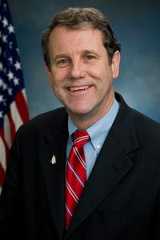
Sherrod Brown (Democratic Party) is running in a special election to theU.S. Senate to represent Ohio. He declared candidacy for the special Democratic primary scheduled onMay 5, 2026.[source]
Brown (Democratic Party) was a member of theU.S. Senate from Ohio. He assumed office on January 3, 2007. He left office on January 3, 2025.
Career
Below is an abbreviated outline of Brown's academic, professional, and political career:[1]
- 2007-2024: U.S. Senator from Ohio
- 1993-2007: Served as Democrat to U.S. Congress from Ohio
- 1983-1991: Served asOhio Secretary of State
- 1979-1981: Worked as a member of the faculty, Ohio State University, Mansfield, Ohio
- 1975-1982: Served as member of theOhio House of Representatives
- 1981: Graduated from Ohio State University, Ohio
- 1974: Graduated from Yale University, New Haven, Conn.
Committee assignments
U.S. Senate
2023-2024
Brown was assigned to the following committees:[Source]
- Committee on Agriculture, Nutrition, and Forestry
- Subcommittee on Food and Nutrition, Specialty Crops, Organics, and Research
- Subcommittee on Livestock, Dairy, Poultry, Local Food Systems, and Food Safety and Security
- Committee on Banking, Housing, and Urban Affairs,Chairman
- Subcommittee on Economic Policy,Ex Officio
- Committee on Finance
- International Trade, Customs, and Global Competitiveness
- Social Security, Pensions, and Family Policy,Chairman
- Senate Committee on Veterans' Affairs
2021-2022
Brown was assigned to the following committees:[Source]
- Committee on Agriculture, Nutrition, and Forestry
- Commodities, Risk Management and Trade
- Subcommittee on Rural Development and Energy
- Subcommittee on Conservation, Climate, Forestry, and Natural Resources
- Committee on Banking, Housing, and Urban Affairs,Chair
- Senate Committee on Veterans' Affairs
- Committee on Finance
- International Trade, Customs, and Global Competitiveness
- Social Security, Pensions, and Family Policy,Chair
- Taxation and IRS Oversight
2017-2018
At the beginning of the115th Congress, Brown was assigned to the following committees:[2]
- Committee on Agriculture, Nutrition, and Forestry
- Committee on Banking, Housing, and Urban Affairs
- Committee on Finance
- Committee on Veterans' Affairs
2015-2016
Brown served on the following committees:[3]
- Agriculture, Nutrition, and Forestry Committee
- Banking, Housing, and Urban Affairs Committee,Ranking Member
- Finance Committee
- Veterans' Affairs Committee
2013-2014
Brown served on the following committees:[4]
- Agriculture, Nutrition and Forestry
- Subcommittee on Nutrition, Specialty Crops, Food and Agricultural Research
- Subcommittee on Jobs, Rural Economic Growth and Energy Innovation
- Subcommittee on Commodities, Markets, Trade and Risk Management
- Banking, Housing, and Urban Affairs
- Subcommittee on National Security and International Trade and Finance
- Subcommittee on Financial Institutions and Consumer Protection MembersChairman
- Subcommittee on Housing, Transportation and Community Development
- Ethics
- Veterans' Affairs
- Committee on Finance
- The Subcommittee on Social Security, Pensions and Family PolicyChairman
- The Subcommittee on Fiscal Responsibility and Economic Growth
- The Subcommittee on International Trade, Customs, and Global Competitiveness
2011-2012
Brown served on the following Senate committees:[5]
- Agriculture, Nutrition and Forestry
- Subcommittee on Nutrition and Food Assistance, Sustainable and Organic Agriculture, and General Legislation
- Subcommittee on Energy, Science and Technology
- Subcommittee on Hunger, Nutrition, and Family Farms
- Appropriations
- Subcommittee on State, Foreign Operations, and Related Programs
- Subcommittee on Labor, Health and Human Services, Education, and Related Agencies
- Subcommittee on Legislative Branch
- Subcommittee on Agriculture, Rural Development, Food and Drug Administration, and Related Agencies
- Subcommittee on Commerce, Justice, Science, and Related Agencies
- Banking, Housing, and Urban Affairs
- Subcommittee on Economic Policy
- Subcommittee on Securities, Insurance, and Investment
- Subcommittee on Housing, Transportation, and Community Development
- Ethics
- Veterans' Affairs
Key votes
- See also:Key votes
Ballotpedia monitors legislation that receives a vote and highlights the ones that we consider to be key to understanding where elected officials stand on the issues. To read more about how we identify key votes, clickhere.
Key votes: 118th Congress, 2023-2025
The118th United States Congress began on January 3, 2023, and ended on January 3, 2025. At the start of the session, Republicans held the majority in theU.S. House of Representatives (222-212), and Democrats held the majority in theU.S. Senate (51-49).Joe Biden (D) was the president andKamala Harris (D) was the vice president. We identified the key votes below usingCongress' top-viewed bills list and through marquee coverage of certain votes on Ballotpedia.
| Key votes: 118th Congress, 2023-2025 | ||||||||
|---|---|---|---|---|---|---|---|---|
| Vote | Bill and description | Status | ||||||
 Yea Yea |
| Passed (87-13)[7] | ||||||
| Yea |
| Passed (87-11)[9] | ||||||
| Yea |
| Passed (88-9)[11] | ||||||
| Yea |
| Passed (63-36)[13] | ||||||
| Yea |
| Passed (68-23)[15] | ||||||
 Nay Nay |
| Failed (50-49)[17] | ||||||
| Nay |
| Passed (50-46)[19] | ||||||
| Yea |
| Passed (76-20)[21] | ||||||
| Yea |
| Passed (75-22)[23] | ||||||
| Yea |
| Passed (88-4)[25] | ||||||
| Yea |
| Passed (51-48)[27] | ||||||
| Yea |
| Passed (51-49)[29] | ||||||
| Yea |
| Passed (79-18)[31] | ||||||
| Yea |
| Failed (43-50)[33] | ||||||
| Yea |
| Failed (51-44)[35] | ||||||
| Yea |
| Passed (78-18)[37] | ||||||
| Yea |
| Failed (48-44)[39] | ||||||
Key votes: Previous sessions of Congress
| Key votes | |||||||||||||||||||||||||||||||||||||||||||||||||||||||||||||||||||||||||||||||||||||||||||||||||||||||||||||||||||||||||||||||||||||||||||||||||||||||||||||||||||||||||||||||||||||||||||||||||||||||||||||||||||||||||||||||||||||||||||||||||||||||||||||||||||||||||||||||||||||||||||||||||||||||||||||||||||||||||||||||||||||||||||||||||||||||||||||||||||||||||||||||||||||||||||||||
|---|---|---|---|---|---|---|---|---|---|---|---|---|---|---|---|---|---|---|---|---|---|---|---|---|---|---|---|---|---|---|---|---|---|---|---|---|---|---|---|---|---|---|---|---|---|---|---|---|---|---|---|---|---|---|---|---|---|---|---|---|---|---|---|---|---|---|---|---|---|---|---|---|---|---|---|---|---|---|---|---|---|---|---|---|---|---|---|---|---|---|---|---|---|---|---|---|---|---|---|---|---|---|---|---|---|---|---|---|---|---|---|---|---|---|---|---|---|---|---|---|---|---|---|---|---|---|---|---|---|---|---|---|---|---|---|---|---|---|---|---|---|---|---|---|---|---|---|---|---|---|---|---|---|---|---|---|---|---|---|---|---|---|---|---|---|---|---|---|---|---|---|---|---|---|---|---|---|---|---|---|---|---|---|---|---|---|---|---|---|---|---|---|---|---|---|---|---|---|---|---|---|---|---|---|---|---|---|---|---|---|---|---|---|---|---|---|---|---|---|---|---|---|---|---|---|---|---|---|---|---|---|---|---|---|---|---|---|---|---|---|---|---|---|---|---|---|---|---|---|---|---|---|---|---|---|---|---|---|---|---|---|---|---|---|---|---|---|---|---|---|---|---|---|---|---|---|---|---|---|---|---|---|---|---|---|---|---|---|---|---|---|---|---|---|---|---|---|---|---|---|---|---|---|---|---|---|---|---|---|---|---|---|---|---|---|---|---|---|---|---|---|---|---|---|---|---|---|---|---|---|---|---|---|---|---|---|---|---|---|---|---|---|---|---|---|---|---|---|---|---|---|---|---|---|---|---|---|---|---|---|---|---|---|---|---|---|---|---|---|---|---|---|---|---|---|---|---|---|---|---|---|---|---|
Key votes: 117th Congress, 2021-2023The117th United States Congress began on January 3, 2021 and ended on January 3, 2023. At the start of the session, Democrats held the majority in theU.S. House of Representatives (222-213), and theU.S. Senate had a 50-50 makeup. Democrats assumed control of the Senate on January 20, 2021, when PresidentJoe Biden (D) and Vice PresidentKamala Harris (D), who acted as a tie-breaking vote in the chamber, assumed office. We identified the key votes below usingCongress' top-viewed bills list and through marquee coverage of certain votes on Ballotpedia.
Key votes: 116th Congress, 2019-2021The116th United States Congress began on January 9, 2019, and ended on January 3, 2021. At the start of the session, Democrats held the majority in theU.S. House of Representatives (235-200), and Republicans held the majority in theU.S. Senate (53-47).Donald Trump (R) was the president andMike Pence (R) was the vice president. We identified the key votes below usingCongress' top-viewed bills list and through marquee coverage of certain votes on Ballotpedia.
114th Congress The first session of the114th Congress enacted into law six out of the 2,616 introduced bills (0.2 percent). Comparatively, the113th Congress had 1.3 percent of introduced bills enacted into law in the first session. In the second session, the114th Congress enacted 133 out of 3,159 introduced bills (4.2 percent). Comparatively, the113th Congress had 7.0 percent of introduced bills enacted into law in the second session.[81][82] The Senate confirmed 18,117 out of 21,815 executive nominations received (83 percent). For more information pertaining to Brown's voting record in the 114th Congress, please see the below sections.[83] Economic and fiscalTrade Act of 2015
2016 Budget proposal
Defense spending authorization
2015 budget
Foreign AffairsIran nuclear deal
DomesticUSA FREEDOM Act of 2015
Cyber security
Immigration
113th CongressThe second session of the113th Congress enacted into law 224 out of the 3215 introduced bills (7 percent). Comparatively, the112th Congress had 4.2 percent of introduced bills enacted into law in the second session.[117] The Senate confirmed 13,949 out of 18,323 executive nominations received (76.1 percent). For more information pertaining to Brown's voting record in the 113th Congress, please see the below sections.[118] National securityJohn Brennan CIA nomination
EconomyNo Budget, No Pay Act of 2013
Government shutdown
Brown donated his salary to the Honor Flight Network while the government was shutdown.[123] ImmigrationMexico-U.S. border
Social issuesViolence Against Women (2013)
Previous congressional sessionsFiscal Cliff
| |||||||||||||||||||||||||||||||||||||||||||||||||||||||||||||||||||||||||||||||||||||||||||||||||||||||||||||||||||||||||||||||||||||||||||||||||||||||||||||||||||||||||||||||||||||||||||||||||||||||||||||||||||||||||||||||||||||||||||||||||||||||||||||||||||||||||||||||||||||||||||||||||||||||||||||||||||||||||||||||||||||||||||||||||||||||||||||||||||||||||||||||||||||||||||||||


Issues
Possible 2016 Democratic vice presidential candidate
Brown was mentioned as apossible Democratic vice presidential candidate. On July 22, 2016,Hillary Clinton announced that she had selected U.S. Sen.Tim Kaine (D-Va.) as her running mate.[127]
Political positions
WWII Memorial
A group of World War II veterans, associated with the Mississippi Gulf Coast Honor Flight, wanting to pay their respects at the WWII Memorial were met with signs and barriers upon their arrival. They refused to let their trip be affected by the government shutdown and made their way through the barriers. Many congressional members from both parties spoke their approval of the move, including Sen. Sherrod Brown and Rep.Michele Bachmann, who was in attendance. Rep.Steve King and Rep.Steve Palazzo aided the veterans by distracting park police and helping move the gates.[123]
Elections
2026
See also: United States Senate special election in Ohio, 2026
General election
The primary will occur on May 5, 2026. The general election will occur on November 3, 2026. Additional general election candidates will be added here following the primary.
Special general election for U.S. Senate Ohio
Gregory Levy andStephen Faris are running in the special general election for U.S. Senate Ohio on November 3, 2026.
Candidate | ||
 | Gregory Levy (Independent) | |
 | Stephen Faris (Independent) (Write-in) | |
| There are noincumbents in this race. | |||
 = candidate completed theBallotpedia Candidate Connection survey. = candidate completed theBallotpedia Candidate Connection survey. | ||||
| If you are a candidate and would like to tell readers and voters more about why they should vote for you,complete the Ballotpedia Candidate Connection Survey. | ||||
Do you want a spreadsheet of this type of data?Contact our sales team. | ||||
Democratic primary election
Special Democratic primary for U.S. Senate Ohio
The following candidates are running in the special Democratic primary for U.S. Senate Ohio on May 5, 2026.


| There are noincumbents in this race. | |||
| = candidate completed theBallotpedia Candidate Connection survey. | ||||
| If you are a candidate and would like to tell readers and voters more about why they should vote for you,complete the Ballotpedia Candidate Connection Survey. | ||||
Do you want a spreadsheet of this type of data?Contact our sales team. | ||||
Withdrawn or disqualified candidates
- Fred Ode (D)
Republican primary election
Special Republican primary for U.S. Senate Ohio
IncumbentJon Husted,Brian Bibler, andSusanna Brewer are running in the special Republican primary for U.S. Senate Ohio on May 5, 2026.
| Incumbents arebolded and underlined. | |||
| = candidate completed theBallotpedia Candidate Connection survey. | ||||
| If you are a candidate and would like to tell readers and voters more about why they should vote for you,complete the Ballotpedia Candidate Connection Survey. | ||||
Do you want a spreadsheet of this type of data?Contact our sales team. | ||||
Libertarian primary election
Special Libertarian primary for U.S. Senate Ohio
Jeffrey Kanter andBill Redpath are running in the special Libertarian primary for U.S. Senate Ohio on May 5, 2026.

| There are noincumbents in this race. | |||
| = candidate completed theBallotpedia Candidate Connection survey. | ||||
| If you are a candidate and would like to tell readers and voters more about why they should vote for you,complete the Ballotpedia Candidate Connection Survey. | ||||
Do you want a spreadsheet of this type of data?Contact our sales team. | ||||
Endorsements
Brown received the following endorsements. To send us additional endorsements,click here.
2024
See also: United States Senate election in Ohio, 2024
General election
General election for U.S. Senate Ohio
The following candidates ran in the general election for U.S. Senate Ohio on November 5, 2024.
Candidate | % | Votes | ||
| ✔ |  | Bernie Moreno (R) | 50.1 | 2,857,383 |
 | Sherrod Brown (D) | 46.5 | 2,650,949 | |
| Don Kissick (L) | 3.4 | 195,648 | ||
 | Tariq Shabazz (Independent) (Write-in) | 0.0 | 524 | |
| Stephen Faris (Independent) (Write-in) | 0.0 | 84 | |
| Nathan Russell (Independent) (Write-in) | 0.0 | 19 | ||
| David Pastorius (Independent) (Write-in) | 0.0 | 13 | ||
| Incumbents arebolded and underlined. The results have been certified. Source | Total votes: 5,704,620 | ||
| = candidate completed theBallotpedia Candidate Connection survey. | ||||
| If you are a candidate and would like to tell readers and voters more about why they should vote for you,complete the Ballotpedia Candidate Connection Survey. | ||||
Do you want a spreadsheet of this type of data?Contact our sales team. | ||||
Democratic primary election
Democratic primary for U.S. Senate Ohio
IncumbentSherrod Brown advanced from the Democratic primary for U.S. Senate Ohio on March 19, 2024.
Candidate | % | Votes | ||
| ✔ | | Sherrod Brown | 100.0 | 535,305 |
| Incumbents arebolded and underlined. The results have been certified. Source | Total votes: 535,305 | ||
| = candidate completed theBallotpedia Candidate Connection survey. | ||||
| If you are a candidate and would like to tell readers and voters more about why they should vote for you,complete the Ballotpedia Candidate Connection Survey. | ||||
Do you want a spreadsheet of this type of data?Contact our sales team. | ||||
Republican primary election
Republican primary for U.S. Senate Ohio
Bernie Moreno defeatedMatt Dolan andFrank LaRose in the Republican primary for U.S. Senate Ohio on March 19, 2024.
Candidate | % | Votes | ||
| ✔ | | Bernie Moreno | 50.5 | 557,626 |
 | Matt Dolan | 32.9 | 363,013 | |
 | Frank LaRose | 16.7 | 184,111 | |
| There were noincumbents in this race. The results have been certified. Source | Total votes: 1,104,750 | ||
| = candidate completed theBallotpedia Candidate Connection survey. | ||||
| If you are a candidate and would like to tell readers and voters more about why they should vote for you,complete the Ballotpedia Candidate Connection Survey. | ||||
Do you want a spreadsheet of this type of data?Contact our sales team. | ||||
Withdrawn or disqualified candidates
- Joel Mutchler (R)
- Doug Stuart (R)
Endorsements
Brown received the following endorsements.
2018
General election
General election for U.S. Senate Ohio
IncumbentSherrod Brown defeatedJim Renacci in the general election for U.S. Senate Ohio on November 6, 2018.
Candidate | % | Votes | ||
| ✔ | | Sherrod Brown (D) | 53.4 | 2,355,923 |
 | Jim Renacci (R) | 46.6 | 2,053,963 | |
| Other/Write-in votes | 0.0 | 1,012 | ||
| Incumbents arebolded and underlined. The results have been certified. Source | Total votes: 4,410,898 (100.00% precincts reporting) | ||
| = candidate completed theBallotpedia Candidate Connection survey. | ||||
| If you are a candidate and would like to tell readers and voters more about why they should vote for you,complete the Ballotpedia Candidate Connection Survey. | ||||
Do you want a spreadsheet of this type of data?Contact our sales team. | ||||
Withdrawn or disqualified candidates
- Bruce Jaynes (L)
Democratic primary election
Democratic primary for U.S. Senate Ohio
IncumbentSherrod Brown advanced from the Democratic primary for U.S. Senate Ohio on May 8, 2018.
Candidate | % | Votes | ||
| ✔ | | Sherrod Brown | 100.0 | 613,373 |
| Incumbents arebolded and underlined. The results have been certified. | Total votes: 613,373 | ||
| = candidate completed theBallotpedia Candidate Connection survey. | ||||
| If you are a candidate and would like to tell readers and voters more about why they should vote for you,complete the Ballotpedia Candidate Connection Survey. | ||||
Do you want a spreadsheet of this type of data?Contact our sales team. | ||||
Republican primary election
Republican primary for U.S. Senate Ohio
Jim Renacci defeatedMike Gibbons,Melissa Ackison,Dan Kiley, andDon Eckhart in the Republican primary for U.S. Senate Ohio on May 8, 2018.
Candidate | % | Votes | ||
| ✔ | | Jim Renacci | 47.3 | 363,622 |
 | Mike Gibbons | 31.7 | 243,426 | |
 | Melissa Ackison | 13.1 | 100,543 | |
| Dan Kiley | 4.0 | 30,684 | ||
 | Don Eckhart | 3.9 | 29,796 | |
| There were noincumbents in this race. The results have been certified. | Total votes: 768,071 | ||
| = candidate completed theBallotpedia Candidate Connection survey. | ||||
| If you are a candidate and would like to tell readers and voters more about why they should vote for you,complete the Ballotpedia Candidate Connection Survey. | ||||
Do you want a spreadsheet of this type of data?Contact our sales team. | ||||
Withdrawn or disqualified candidates
- Josh Mandel (R)
2012
| Party | Candidate | Vote % | Votes | |
|---|---|---|---|---|
| Democratic |  Sherrod BrownIncumbent Sherrod BrownIncumbent | 50.7% | 2,762,690 | |
| Republican | Josh Mandel | 44.7% | 2,435,712 | |
| Independent | Scott Rupert | 4.6% | 250,616 | |
| Total Votes | 5,449,018 | |||
| Source:Ohio Secretary of State "Official Election Results, 2012 General Election" | ||||
Full history
To view the full congressional electoral history for Sherrod Brown, click [show] to expand the section. | |||||||||||||||||||||||||||||||
|---|---|---|---|---|---|---|---|---|---|---|---|---|---|---|---|---|---|---|---|---|---|---|---|---|---|---|---|---|---|---|---|
2006 On November 7, 2006, Brown won election to theUnited States Senate. He defeated Mike DeWine (R) and Richard Duncan (Write-in) in the general election.[128]
| |||||||||||||||||||||||||||||||
Campaign themes
2026
Ballotpedia survey responses
See also:Ballotpedia's Candidate Connection

Sherrod Brown has not yet completedBallotpedia's 2026 Candidate Connection survey.Send a message to Sherrod Brown asking him to fill out the survey. If you are Sherrod Brown,click here to fill out Ballotpedia's 2026 Candidate Connection survey.
Who fills out Ballotpedia's Candidate Connection survey?
Any candidate running for elected office, at any level, can complete Ballotpedia's Candidate Survey. Completing the survey will update the candidate's Ballotpedia profile, letting voters know who they are and what they stand for. More than 25,000 candidates have taken Ballotpedia's candidate survey since we launched it in 2015. Learn more about the surveyhere.
You can ask Sherrod Brown to fill out this survey by using the buttons below or emailing info@sherrodbrown.com.


2024
Sherrod Brown did not completeBallotpedia's 2024 Candidate Connection survey.
2018
Campaign website
Brown's campaign website stated the following:
| “ | ADVOCATING FOR THE DISABILITY COMMUNITY“I respect the unique experiences of people with disabilities and work in the Senate to make sure every Ohioan has access to the care and resources they need. Like all of us, people with disabilities are supported by their families and communities who should also be recognized for their hard work, selflessness, and dedication.” -Senator Sherrod Brown Fighting For Ohioans With Disabilities Sherrod has worked to strengthen and modernize the Americans with Disabilities Act (ADA) and has opposed efforts to weaken or undermine this critical legislation.He has pushed to break down barriers to information and communications technologies for people with disabilities. He’s opposed legislation that would have made it easier for businesses to discriminate against people with disabilities.Sherrod voted to ratify the Convention on the Rights of Persons with Disabilities in 2012, affirming his commitment to protecting the rights of all people with disabilities. Creating Opportunities For People With Disabilities Sherrod voted for the bipartisan Workforce Innovation And Opportunity Act, which created job training programs for Ohioans of all abilities. With Senator Thom Tillis (R-NC), Sherrod sponsored legislation to help veterans with service-related disabilities find good jobs. Sherrod has fought to make sure that Ohioans with disabilities connected to their work, whether veterans wounded in service or miners with black lung, have access to the best possible care. Championing Healthcare Access For All Ohioans Throughout his career, Sherrod has worked to make sure every Ohioan, regardless of income, can get the healthcare they need. He helped pass the Affordable Care Act (ACA), which has extended healthcare coverage for 5 million Ohioans with preexisting conditions and expanded access to community-based care and habilitative and rehabilitative services like occupational therapy and speech pathology. Sherrod also fought for nearly two decades to establish parity for mental health coverage, which he helped codify as part of the ACA. Sherrod supports ending limits on Medicaid coverage for mental health care and has joined Governor Kasich in fighting back attempts to gut the Medicaid expansion, which has helped nearly 500,000 Ohioans get mental and behavioral health treatment. Advocating For Children With Disabilities No one has fought harder than Sherrod to protect the Children’s Health Insurance Program (CHIP), which serves nearly half of Ohio’s children with disabilities. Sherrod has worked for years to pass long-term funding for CHIP. In 2018 he co-sponsored the bill that successfully extended the program for the next six years. Sherrod has worked to give children with disabilities the support they need in the classroom by supporting the Individuals With Disabilities Education (IDEA) Act, which benefits one in seven Ohio students, and by securing and protecting millions of dollars in funding for staff and services to help students with disabilities. Making Social Security More Accessible Sherrod has worked with Republicans and Democrats to decrease the backlog and wait times for Social Security Disability Insurance (SSDI). He joined Senator Ron Wyden (D-OR) in calling for full funding for the Social Security Administration and teamed up with Senator John Barrasso (R-WY) to do away with the five-month waiting period for individuals with terminal illnesses to access SSDI benefits. Sherrod and Senator Elizabeth Warren (D-MA) have worked together to expand Supplemental Security Income, which benefits nearly 300,000 Ohioans with disabilities. CARING FOR OUR VETERANS “We have no more important moral obligation than supporting the men and women who risk their lives in service to our country, and the family members who sacrifice so much to support their loved ones who serve.” -Senator Sherrod Brown WHERE SHERROD STANDS:Protecting Veterans’ HealthcareSherrod is committed to making sure that those who have put their lives in harm’s way to defend our country have access to the best healthcare possible. He helped secure the largest-ever increase in VA funding and has held the VA accountable for the disability claims backlog, long wait times, understaffing, and inadequate care. Sherrod knows that comprehensive care for our veterans must include mental and behavioral care, and he helped pass the Female Veterans Suicide Prevention Act and the Clay Hunt Suicide Prevention for American Veterans Act to expand treatment and support for those struggling with trauma and mental illness. Creating Opportunities For Veterans Sherrod is working to help servicemembers and veterans rejoin the civilian workforce, introducing and co-sponsoring the Wounded Warrior Employment Improvement Act, the VOW To Hire Heroes Act, and an expansion of the Yellow Ribbon Program to provide veterans with job training and placement services. Sherrod’s Patriot Employer Tax Credit Act would reward companies that hire veterans and servicemembers. Solar by Soldiers, which he helped launch, trains veterans to succeed in Ohio’s clean energy economy. Sherrod has secured millions of dollars for career services and related support programs for Ohio’s veterans, and passed legislation that gives hiring preference to Gold Star families. Investing In Veterans’ Education For many who enlist, the military offers a pathway to an education that may otherwise be out of reach. In the Senate, Sherrod co-sponsored a law that permanently expanded GI Bill education benefits for post-9/11 veterans. He has passed legislation that makes these benefits more flexible and accessible to the families of fallen soldiers. Sherrod has stood up for veterans targeted by shady for-profit colleges and worked to stop them from preying on those who have served in our military. As part of his bipartisan GI Bill expansion, Sherrod saw to it that the veterans and servicemembers who had been taken advantage of by failed for-profit schools had their education benefits restored. Working To End Homelessness For Veterans Sherrod has secured millions of dollars to end homelessness and expand access to affordable housing for Ohio veterans. Working with Senators Susan Collins (R-ME) and Jack Reed (D-RI), Sherrod passed key provisions to ensure that no servicemember is discharged into homelessness. Sherrod also worked with Senator Reed to introduce the Military Consumer Enforcement Act, which would protect veterans and their families from foreclosure and eviction. Honoring Those Who Served Sherrod is making sure we recognize the courage and sacrifice of those who serve. He has joined the entire Ohio congressional delegation to introduce bipartisan legislation to allow the battlefield cross to be displayed at the graves of fallen soldiers and presented long-overdue military medals to Ohio veterans. Sherrod and Senator Rob Portman (R-OH) have honored the legacy of Ohio veterans by pushing to designate the Ohio Veterans Memorial and Museum in Columbus as the National Veterans Museum and Memorial. The Columbus Dispatch wrote that Sherrod was “responsible for legislation requiring the Department of Defense to deliver the remains of soldiers killed in Iraq and Afghanistan to airports convenient to their families, not just major hubs often hundreds of miles away.” COMBATING THE OPIOID CRISIS “Eleven Ohioans will die today of an opioid overdose, and Congress must be doing everything in our power to fight this epidemic on all fronts.” -Senator Sherrod Brown WHERE SHERROD STANDS: Working for a Comprehensive Response to the Opioid Crisis Sherrod knows that there’s no one solution to the opioid addiction epidemic. That’s why he is proposing a comprehensive public health campaign to combat the crisis. Sherrod is calling on the federal government to launch a long-term campaign that includes widespread education and prevention efforts, expanding access to affordable addiction treatment, and recovery that includes better screening and protections against relapse. Championing Efforts to Keep Opioids Out of Ohio Sherrod and Senator Portman are united in working to prevent opioids from getting into Ohio. Together, they pushed Sherrod’s INTERDICT Act through Congress and signed into law by President Trump, giving law enforcement the tools to intercept opioids and synthetics before they enter our country. Sherrod and Portman are now working on new legislation, the POWER Act, to give local law enforcement officers access to the same fentanyl detection equipment to help them keep these drugs out of Ohio communities. Sherrod has fought to lower the amount of prescription drugs that manufacturers and distributors pump into our healthcare system, and to make their these processes more open and transparent. He has advocated for programs that let people safely dispose of expired or unused prescription drugs to ensure they don’t end up in the hands of someone who could misuse or abuse them. Investing In and Expanding Treatment Any long-term solution to ending the opioid crisis must include providing people suffering from addiction and mental health issues with the tools to get their lives back on track. Sherrod supported Governor Kasich’s decision to expand Medicaid, which funds treatment for more than 150,000 Ohioans, and worked with Portman on legislation to grant more Ohioans access to healthcare professionals and facilities. Sherrod knows that for infants and newborns affected by prenatal opioid addiction, treatment is especially critical, which is why he and Senator Portman have fought for measures to give affected newborns the best care available. Bringing Vital Resources to Ohio Communities Sherrod is working hard to make sure Ohio’s communities have the funding necessary to adequately address the opioid crisis. He supports a number of proposals, including the Comprehensive Addiction and Recovery Act and the 21st Century Cures Act, that would give local communities the aid they need to effectively fight this epidemic. Sherrod was also a vocal opponent of the administration’s 2018 budget proposal, which called for slashing hundreds of millions of dollars in funding to programs Ohio counts on to combat opioid addiction. And when the White House dragged its feet in declaring the crisis a national emergency, Sherrod held the Administration accountable for their inaction — and applauded them when they finally heeded his call. Senator Brown Is Working To Engage Communities In Awareness And Prevention Sherrod believes that community engagement is crucial to this fight. By holding roundtable discussions with Ohio law enforcement, healthcare professionals, and those affected by the opioid crisis, Sherrod works with community leaders to help raise local awareness and understanding of the epidemic. He has also championed successful legislation that provides opioid prescribers with the training to identify warning signs before addiction occurs. FIGHTING FOR AGRICULTURAL AND RURAL COMMUNITIES “Our state’s farms are an important economic engine, and as we work together to move this economy forward, I will continue to fight for the needs of our farmers.” -Senator Sherrod Brown WHERE SHERROD STANDS: Advocating For Ohio Farmers Sherrod understands the importance of Ohio’s farming communities—one in seven Ohio jobs depend on agriculture and more than half of Ohio’s land is used for farming. As a member of the Senate Agriculture Committee, he’s played a critical role in crafting comprehensive, bipartisan Farm Bills. Sherrod travels across Ohio to hear directly from farmers and local stakeholders to effectively advocate for them in the Senate. He’s secured a number of legislative victories for Ohio farmers across multiple Farm Bills, including his approach to farm risk management, which Reuters called the “centerpiece” of the 2014 Farm Bill. Sherrod has held roundtables on rural development and farming across the state to ensure that Ohioans’ priorities are represented in the 2018 Farm Bill. Sherrod has been recognized by a host of leading rural policy and agricultural groups, including the National Farmers Union, which has honored his tireless advocacy with the prestigious “Golden Triangle” award. Spearheading Efforts For Ohio’s Rural Development Sherrod fights to expand access to broadband for Ohio’s rural communities, securing more than $2.5 billion for underserved areas so they can compete and thrive in the 21st century. Sherrod’s work has secured more than $150 million to advance critical rural development programs that support rural businesses, infrastructure projects, and communities in Ohio and across the country. Protecting Healthcare For Rural Ohioans Sherrod supports the Affordable Care Act (ACA) and has fought against repeal efforts that would hit rural communities hard. Ohioans living in rural communities have seen significantly expanded healthcare coverage under the ACA, and the already-shrinking pool of rural hospitals could suddenly become even smaller if repeal attempts succeed. Sherrod continues to fight to give Ohio’s rural communities every possible tool and resource to fight the devastating opioid epidemic. He opposes the administration’s efforts to gut critical opioid and substance abuse programs, and has pressed the White House to give communities the necessary resources to combat this crisis. He led the passage of the bipartisan INTERDICT Act to help border agents intercept opioids as they enter the country and supports better education for doctors on addiction prevention and identification. EXPANDING ACCESS TO AFFORDABLE HEALTHCARE “Instead of repealing the Affordable Care Act, we should be working to improve and expand it so that every Ohioan has access to quality, affordable healthcare.” -Senator Sherrod Brown WHERE SHERROD STANDS: Supporting and Defending Expansion of Healthcare Coverage Millions of families across our state and country have benefited from the Affordable Care Act (ACA). Instead of repeating partisan talking points, Sherrod focuses on protecting those who have benefited from the ACA, including more than four million Ohioans who no longer have to worry about hitting lifetime coverage caps, more than three million Ohioans with private healthcare plans that now include access to preventive services, and nearly two million Ohioans with pre-existing conditions. When Washington Republicans tried to gut the Medicaid expansion that allowed more than 700,000 Ohioans to access low-cost insurance coverage — including 150,000 who struggle with addiction — Sherrod stood with Republicans like Governor John Kasich to fight back. Sherrod has also teamed up with Senator Rob Portman (R-OH) to propose legislation to bring targeted healthcare tax credits to seniors and secure hard-earned coverage for retired miners who sacrificed their health and safety to support their families and power our nation. Taking on Rising Prescription Drug Prices Sherrod has always stood with consumers and patients in the fight for fair prescription drug prices. Whether it’s going after price-gouging drug companies or spearheading proposals that would allow Medicare to directly negotiate prescription drugs and increase competition in the pharmaceutical marketplace, Sherrod’s track record shows he’s not afraid to tangle with Big Pharma to make sure Ohioans can afford the prescription drugs they need. Fighting for Ohio’s Children Last year’s Republican-led attempt to allow the Children’s Health Insurance Program (CHIP) to expire demonstrated how vital it is that Ohio’s children have an advocate like Sherrod in the U.S. Senate. In addition to his relentless fight for CHIP, Sherrod is a strong supporter of policies to fund training for pediatricians and pediatric specialists. He has worked across the aisle with Senator Rob Portman (R-OH) on proposals to create and fully fund a national pediatric research network, standardize care across state borders, and combat sudden childhood deaths. Championing Affordable Healthcare for Seniors Sherrod has worked throughout his career to protect and expand Medicare, beating back attacks on this essential program and advocating to lower the eligibility age to 55. He has championed proposals to allow Medicare to directly negotiate prices and increase competition through generic alternatives and to establish free preventive cancer and osteoporosis screenings under Medicare. Reaching across the aisle, Sherrod has worked with Senator Portman to introduce legislation to extend a critical healthcare tax deduction for seniors. Combating Disease and Addiction Ohio’s opioid epidemic is putting a huge strain on our families and communities. That’s why Sherrod has teamed up with Senator Portman on legislation to increase access to healthcare professionals and facilities, direct research treatment options, and prevent addiction before it begins. Sherrod is also a consistent advocate for increasing awareness and education to combat diseases from widespread ones like breast cancer to rarer diseases like Zika virus, Ebola, tuberculosis, and sickle cell anemia. ENSURING QUALITY EDUCATION FOR OUR CHILDREN “Every student deserves a community that supports their education. I’m troubled by the lack of oversight and transparency of many charter schools -- and will continue pushing for accountability. I will also keep up my efforts to bring critical resources to K-12 schools across Ohio, along with making higher education more accessible to every American.” -Senator Sherrod Brown WHERE SHERROD STANDS: Supporting Ohio Students Sherrod’s record is proof of his commitment to Ohio students. He’s consistently voted to protect and expand Head Start and Early Head Start programs, spearheaded efforts for extra funding and staffing for Full-Service Community Schools, and defended federal funding for Ohio schools. He believes they should be pathways to opportunity for all students. He introduced legislation to address inequality in our public schools, and is a strong supporter of the My Brother’s Keeper program, a program launched by President Obama to mentor young African-American men. Standing Shoulder To Shoulder With Ohio Educators Ohio educators know that Sherrod has their backs. When Senate Bill 5 threatened to take away educators’ collective bargaining rights, Sherrod stood with teachers, firefighters, police officers, and organized labor to successfully overturn Ohio’s so-called “right-to-work” law. Sherrod has worked with teachers to make sure they’re paid the salaries and benefits they deserve. When teaching jobs were on the line, Sherrod rose to the challenge, fighting for funding to save and create jobs. Holding Charter Schools Accountable Oversight, transparency, and accountability are Sherrod’s focus for charter schools. When Sherrod called for additional oversight of Ohio’s charter schools, the Department of Education listened and announced it would only fund high-performing charter schools. Sherrod has also championed legislation to go after fraud and waste in charter schools by increasing community involvement and oversight. Fighting For 21st-Century Schools The discussion over infrastructure often ignores the declining state of our schools. Sherrod has introduced legislation that would repair, renovate, and build schools in Ohio and across the country, which would create almost two million jobs. He’s also proposed and helped pass a number of other proposals to bring much-needed aid to school facilities while creating good-paying jobs. Working To End Bullying No student should feel unsafe or unwelcome in their school. Sherrod is working to end bullying in the classroom and on the schoolyard. He has repeatedly co-sponsored the Safe Schools Improvement Act, which would require schools to adopt codes of conduct that prohibit bullying based on race, gender, ability, or nationality. Sherrod recognizes that some students are more vulnerable to bullying and discrimination than others. He has participated in the National Day of Silence and joined the “It Gets Better Project” to raise awareness of the bullying experienced by far too many LGBTQ students. HELPING SMALL BUSINESSES SUCCEED “Small businesses and manufacturers are the backbone of Ohio’s economy.” -Senator Sherrod Brown WHERE SHERROD STANDS: Fighting for Lower Taxes on Small Businesses Sherrod knows that for small business owners, expanding and investing in employees is non-negotiable. He also knows that it can be difficult to cover costs while keeping pace with bigger competitors, which is why he has voted for over $1.3 billion in tax breaks for small businesses. Sherrod has supported legislation that allows small businesses to stay competitive by writing off R&D costs and investments in business equipment and software. He was a vocal advocate for the Small Business Jobs Act, which the Akron Beacon Journal called “a most worthy response to the recovering yet still fragile economy.” Sherrod recognizes that small businesses don’t have the time or resources to spend making sense of byzantine paperwork. He co-sponsored the Small Business Paperwork Mandate Elimination Act of 2011, which would have cut red tape by updating tax reporting requirements for small businesses. Leveling the Playing Field for Small Businesses Since joining Congress, Sherrod has stood up for Ohio’s small businesses by opposing unfair trade deals that allow corporations to send jobs overseas, hollowing out communities and leaving small businesses struggling to compete. Sherrod voted against NAFTA in 1993 and is playing an active role in the Trump administration’s renegotiation of the agreement to deliver a better deal for Ohio. He stood up to members of his own party in opposing Trade Promotion Authority and the Trans-Pacific Partnership, and led Democrats away from trade deals that hurt workers and small businesses. He has also opposed trade agreements with Central America, Colombia, China, and South Korea. Sherrod has helped Ohio businesses enter the global marketplace by leading the reauthorization and expansion of the Export-Import Bank, which benefited 226 small businesses in Ohio between 2007 and 2015. He has been a vocal opponent of currency manipulation by foreign countries, which undercuts international trade law and puts American businesses at a disadvantage. Sherrod and Senator Rob Portman (R-OH) wrote a letter to the Department of Labor asking Secretary Wilbur Ross to investigate and crack down on countries caught engaging in unfair practices. Helping Small Businesses Innovate Sherrod has worked with members of both parties to expand financing opportunities for small and mid-sized manufacturers, and to reward small businesses that hire more employees and invest in job training and retraining. His bipartisan SECTORS Act worked to match employees skills to existing jobs by requiring that job training programs be designed with input from partnering companies. Sherrod has worked to create business incubators and innovation hubs around the country to ensure that the America remains a leader in high-tech manufacturing. He worked with Senator Roy Blunt (R-MO) to pass bipartisan legislation to create manufacturing innovation hubs across the country, the first of which was established in Ohio in 2015. Since 2013, Sherrod has secured more than $17 million in federal grants and loans to support job creation and training in Ohio. FIGHTING FOR SENIORS “We have made promises to our seniors that we must honor – Medicare, Social Security, affordable prescription drugs. These men and women have worked their entire lives, taken care of their families, and they deserve a quality of life that reflects that.” -Senator Sherrod Brown WHERE SHERROD STANDS: Protecting Social Security Time and time again, Social Security has been attacked by Republicans who have tried to raise the retirement age and privatize the program. These misguided efforts would enrich Wall Street by risking Americans’ savings in the stock market. Sherrod’s position on these attacks is simple: no way. He has consistently voted and spoken out against any attempt to undermine Social Security benefits and deny Americans their hard-earned benefits. Championing Affordable Healthcare Sherrod believes seniors should have access to quality, affordable healthcare. He has worked throughout his career to protect and expand Medicare, helping beat back multiple assaults on this essential program and advocating to lower the eligibility age to 55. With the cost of prescription drugs on the rise, Sherrod has championed proposals to allow Medicare to directly negotiate prices and increase competition through generic alternatives. He is also fighting to pass legislation that would establish free preventive cancer and osteoporosis screenings under Medicare. Reaching across the aisle, Sherrod has worked with Senator Rob Portman (R-OH) to introduce legislation to extend a critical healthcare tax deduction for seniors. Keeping Promises, Fighting For Retirement Security During the tax debate, Sherrod promised “a hell of a fight” if Republicans moved forward with their plans to penalize workers with certain retirement savings accounts. Republicans relented, and Sherrod protected millions of Americans from new taxes on the money they put away for retirement. Sherrod has also introduced a bold plan to stabilize pension funds, whose beneficiaries, through no fault of their own, often face a gap between what they were promised and what they actually receive in retirement. Sherrod will not allow mismanagement by corporate executives and Wall Street fund managers to upend workers’ retirement plans, and he’s committed to making sure promises made are kept. Sherrod was named the co-chair of a bipartisan committee in Congress tasked with developing bipartisan solutions to the pension crisis. Supporting Strong Consumer Protections For Seniors Sherrod knows scammers and criminals specifically target seniors. That’s why he strongly supported the Consumer Financial Protection Bureau’s (CFPB) fight against all shady and illegal financial practices. No one is more dedicated to protecting seniors from financial predators than Senator Sherrod Brown. LOVE AND RESPECT FOR ALL OHIOANS “It has been my honor to stand alongside you, fighting to make sure that every Ohioan is treated equally under the law and given the respect they deserve. I will never compromise on these principles and I will continue to work to drive your movement forward.” -Senator Sherrod Brown WHERE SHERROD STANDS: Fought For Marriage Equality Long before it was a politically popular position, Sherrod stood with LGBTQ families and couples to fight for full recognition under the law. He opposed the Defense Of Marriage Act in the 1990s and has consistently fought against legislative efforts to deny LGBTQ Americans the right to marry whomever they love. When the day finally came in 2015, Sherrod rejoiced with millions of Americans as the Supreme Court recognized the rights of LGBTQ couples and families across the nation. Standing With LGBTQ Servicemembers Any American who honorably serves our country in uniform should be treated like a patriot. Since the beginning of his career, Sherrod opposed the military’s “Don’t Ask, Don’t Tell” policy, which he helped repeal in 2010. Sherrod has co-sponsored legislation to correct military records and reinstate benefits of servicemembers discharged on the basis on their sexual orientation. When President Trump pushed to ban transgender individuals from the armed services, Sherrod responded forcefully, saying, “I have deep respect and gratitude for anyone who volunteers to serve in our military. We should not turn away anyone who is willing and able to serve this country and help keep America safe.” Combating Anti-LGBTQ Discrimination While we have made progress toward equality, it is legal in many states to discriminate against someone based on their sexual orientation or gender identity. Sherrod has led the charge to pass legislation that would expand federal civil rights protections and backed other bills to fight LGBTQ discrimination in housing, the workplace, and around the world. Advocating For LGBTQ Youth Sherrod has fought to protect LGBTQ youth because he knows they are especially vulnerable to harassment and discrimination. Not only has he called “conversion therapy” a “fraudulent, unfair, and deceptive” practice, he’s repeatedly moved to outlaw it. Sherrod has worked to raise awareness of and bring an end to the all-too-common bullying and discrimination that LGBTQ youth face. In 2014, he participated in the National Day of Silence. In 2010 Sherrod joined the “It Gets Better Project” by giving a speech on the Senate floor in memory of LGBTQ teens driven to suicide by bullying, and in 2011 he participated in a video with his colleagues in support of LGBTQ students and youth. Building a more free and equal society begins with helping those who will inherit it, which is why Sherrod has so vigorously advocated for LGBTQ youth. Reliably Partnering With LGBTQ Organizations And Leaders Regularly meeting with Ohio and national LGBTQ groups allows Sherrod to listen, learn, and discuss important issues, which makes him a more effective advocate for the LGBTQ community in the U.S. Senate. His reelection has been endorsed by Human Rights Campaign. MAKING COLLEGE AFFORDABLE “Student loan debt shouldn’t hold students back for decades after they’ve graduated.” -Senator Sherrod Brown WHERE SHERROD STANDS: Standing with Ohio Students An entire generation is drowning in student debt, and Sherrod is committed to getting them relief. He has championed efforts to protect students from predatory student loan providers, called for stronger protections against unfair and abusive lending practices, and backed legislation to allow students and their families to refinance their existing student loan debt. Sherrod is also working to make college more affordable for Ohio families, fighting to expand student loan programs and pushing for tax reforms that would make it easier for middle-class families to afford higher education. Making college more accessible to veterans and servicemembers is also a top priority for Sherrod. He has worked tirelessly to pass legislation that ensures our men and women in uniform, and their families, have the resources to go to college. Supporting Ohio Colleges and Universities Sherrod is proud of Ohio’s higher education system. He consistently works to ensure that our colleges and universities have the resources necessary to continue offering field-leading educational opportunities. Every Ohioan deserves the opportunity to study at a world-class in-state institution. Sherrod has also worked to ensure recognition and resources for Historically Black Colleges and Universities (HBCUs). Standing With Ohio Communities With Secretary of Education Betsy DeVos making it harder for Ohioans to get a college education, Sherrod is standing with students, educators, and families to fight for accessible, quality higher education. He regularly hosts educator forums and student leadership summits across the state so he can best advocate for those communities and hold the DeVos administration accountable for its anti-student actions. Fighting Predatory For-Profit Colleges Sherrod reached across the aisle to build a bipartisan plan that boosted GI benefits and provided relief to veterans who were taken advantage of by failed for-profit institutions. Sherrod has also worked towards ending deceitful marketing practices used by for-profit colleges — including some shamefully aimed at veterans — by holding high-paid executives accountable for their tactics. Sherrod has been at the forefront of efforts to identify and investigate sham for-profit colleges and recoup losses for students. He is a vocal critic of forced arbitration clauses that make it nearly impossible for students at for-profit colleges to recover their tuition dollars if they’re defrauded or the institution fails. PRESERVING OUR ENVIRONMENT “From protecting the Great Lakes from invasive species and toxic algal blooms to promoting a clean energy future, defending clean water and clean air is more important than ever.” -Senator Sherrod Brown WHERE SHERROD STANDS: Senator Brown Is A Fierce Defender Of Ohio’s Lakes And Waterways Sherrod is a leader in defending Ohio’s lakes and waterways. Partnering with senators throughout the region, he’s championed the Great Lakes Restoration Initiative to clean up and revitalize these vital water resources, and he joined Senator Rob Portman (R-OH) in a show of bipartisanship to vocally oppose the administration’s efforts to drastically reduce support for the project. Sherrod knows the devastating effect algal blooms have on lakeshore communities. He has fought for more funding and pushed for more research to better understand their causes and consequences, to help develop new solutions. Partnering with Senator Portman, Sherrod has spearheaded legislation to coordinate federal, state, and local responses to combat Asian carp and other invasive species. The two have worked side by side across party lines to apply consistent pressure to ensure that the Army Corps of Engineers keeps the Cleveland Harbor and shipping channel clean. Senator Brown Supports Clean Energy Innovation And Job Creation Ohio has an opportunity to be at the forefront of our growing clean energy economy — that’s why Sherrod supports investing in a clean energy industry that will create good jobs for Ohioans. He’s fought for policies to give manufacturers the tools they need to not only adapt to a changing marketplace, but to shape it and lead it. In turn, strengthening this job-creating field will decrease our dependence on foreign oil and augment our national security. Sherrod believes innovation across a diverse mix of energy sources is the best path toward a clean-energy economy. He’s supported policies to encourage investment in offshore wind energy, reached across the aisle to promote ethanol and biodiesel fuel, and championed carbon capture technology. Senator Brown Fights For Environmental Protections The health of our environment has a direct impact on the health of Ohioans. Sherrod has worked to protect our drinking water and is a strong proponent of increasing funding to prevent, monitor, and eliminate lead poisoning. He has also worked with Senator Portman to protect our water from microcystin, the byproduct of the algal blooms that created the 2014 water crisis in the Toledo area. Furthermore, Sherrod has spoken out against dangerous cuts to the federal budget that would make it nearly impossible to enforce clean air and water laws. Senator Brown Has Strong Support From Environmental Groups Sherrod’s record of stewardship and commitment to the environment has earned him a 93% lifetime score from the League Of Conservation Voters. His reelection has been endorsed by the League of Conservation Voters Action Fund and the Natural Resources Defense Council Action Fund. PROTECTING THOSE WHO PROTECT US “At a time when it may seem like not much is getting done in Washington, supporting the officers who put their lives on the line each day to protect us—and the families who sacrifice alongside them—is something we can come together on in a bipartisan way.” -Senator Sherrod Brown WHERE SHERROD STANDS: Fighting To Keep Ohio Safe Sherrod is committed to addressing the public health and safety crisis that opioids pose to communities across Ohio. His bipartisan INTERDICT Act, which was signed into law by President Trump, gives law enforcement the tools to intercept opioids and block them from entering our country. Sherrod is also working with Senator Portman on new legislation, the POWER Act, to give local law enforcement officers access to the same fentanyl detection equipment made available through Brown’s INTERDICT Act. This will not only help officers keep these drugs out of Ohio communities, it will also protect them from accidental overdoses on the job. Sherrod regularly meets with law enforcement, healthcare professionals, and community leaders at roundtable events to help local stakeholders build coalitions and find solutions. He fights for victims of human trafficking, and supports the efforts of local, state, and federal law enforcement to root out this scourge. Inspired by retired Toledo FBI agents, Sherrod spearheaded the passage of additional funding for victims of human trafficking, with a special focus on help for high-risk runaway youth. Supporting Those In The Line of Duty And Their Families Sherrod is a loyal ally to law enforcement personnel and their families. When Ohio Senate Bill 5 threatened to strip public safety officers of their collective bargaining rights, Sherrod stood shoulder to shoulder with them and fought back. He knew the fight wasn’t just about wages and benefits—it was about the safety of first responders and their communities. Sherrod also worked to ensure that first responders and their families receive their full Social Security benefits. Sherrod helped pass “Blue Alert” legislation to help apprehend criminals who committed crimes against on-duty law enforcement officers. He’s also backed measures to help the families of fallen or disabled officers, including providing vital mental health and wellness services for members of law enforcement. Sherrod has supported numerous efforts to hire and train more officers, including the COPS hiring program that has allowed Ohio law enforcement to expand their force. Sherrod also worked to ensure that officers have access to the tools and equipment they need, including bulletproof vests, body cameras, new vehicles, and other innovative technologies. SAFEGUARDING CONSUMERS “The last thing Ohioans need is for politicians to turn back the clock to the days when Wall Street was free to prey on working families, wreck the economy, and hand taxpayers the bill.” -Senator Sherrod Brown WHERE SHERROD STANDS: Holding Wall Street Accountable Sherrod played an active role in enacting the Dodd-Frank regulations, standing with students, homeowners, and taxpayers, who demanded a safer financial system after Wall Street caused the Great Recession. He opposes efforts to rollback key parts of the law and has called out the the big banks for their attempts to take us back to the days when Ohioans were on the hook for Wall Street’s reckless bets. Sherrod knows the Consumer Financial Protection Bureau (CFPB) is a critical consumer watchdog, and he stood with the agency against the Trump Administration’s efforts to compromise its independence. Sherrod believes the CFPB Director must be a relentless fighter for consumers, not an instrument of Wall Street and payday lenders. He’s also a staunch opponent of financial corporations that use forced arbitration clauses to avoid accountability. These provisions prevent victims their access to court when they’re taken advantage of. Sherrod has spearheaded efforts to give these victims the chance to recover damages and seek the justice that they deserve. Fighting Identity Theft Sherrod fought for the more than 145 million Americans who were affected by the Equifax security breach. He demanded answers for the victims and worked to hold the company accountable for its negligence. After Sherrod called for a closer look at the company’s taxpayer-funded government contracts, the IRS announced it would halt its business with Equifax.Standing Up to Predatory LendersSherrod has been a tireless advocate for consumers who are targeted and trapped by predatory payday lenders. Payday lenders’ abusive behavior furthers a cycle that prevents consumers from escaping high-interest loans, hurting those who need help the most. Sherrod has worked to provide fair and effective alternatives to the Ohioans who find themselves forced to turn to payday loans to pay for basic necessities like food and housing. Protecting Consumers from Dangerous Products Sherrod has a long record of making sure products are safe for consumers. His legislation to apply poison packaging protections to liquid nicotine containers has helped protect children from accidental poisonings. Sherrod has also worked to bring safety warnings to everyday consumer products, including crib bumpers, caffeine, sunblock, and electronic cigarettes. STANDING UP FOR AMERICAN WORKERS “We want more trade—Ohio businesses, including our auto supply chain, rely on trade with our neighbors. But trade should happen on a truly level playing field, and that’s not what we have right now.” -Senator Sherrod Brown WHERE SHERROD STANDS: Opposing Unfair Trade Agreements For years, Sherrod has spoken out and voted against trade agreements that hollow out American manufacturing communities and put Ohio workers at a disadvantage. He voted against NAFTA and against trade agreements with Central America, Colombia, China, and South Korea. Sherrod stood up to members of his own party in opposing Trade Promotion Authority and the Trans-Pacific Partnership, and led Democrats in moving away from these harmful deals. He continues to lead bipartisan efforts to secure a better deal for workers, working with the Trump administration on renegotiating of NAFTA. Sherrod is committed to making sure that those who have seen their livelihoods affected by unfair trade deals don’t get left behind. He has led senators from both parties in calling for full funding for Trade Adjustment Assistance and introduced legislation to expand this critical training and assistance program to service sector employees and workers who lose their jobs to countries like China. Leveling The Playing Field Sherrod understands that Ohio workers and manufacturers need an advocate to protect their role in the global marketplace. He has worked with Senator Rob Portman (R-OH) to call for greater scrutiny of and consequences for countries that engage in steel dumping and currency manipulation. He supports setting steel and aluminum tariffs to ensure that American manufacturers who play by the rules will not be undercut by cheap imports from countries like China. He played a critical role in the Trump Administration’s decision in 2017 to set tariffs that will allow Ohio manufacturers like Whirlpool to hire hundreds more workers. Sherrod has also worked to help American companies compete overseas. He led the reauthorization and expansion of the Export-Import Bank, which benefited 226 small businesses in Ohio between 2007 and 2015. Sherrod has also teamed up with Senator Portman to crack down on Chinese currency manipulation. Sherrod has asked Presidents of both parties to work with him to hold China accountable for currency manipulation, and has introduced legislation to treat currency manipulation as an unfair subsidy, which would give Ohio manufacturers and their workers new tools to fight back against Chinese cheating. Supporting Ohio Manufacturing Sherrod knows that our competitiveness depends on maintaining our leadership in innovative, high-quality manufacturing. In 2008, Sherrod fought to save the American auto industry, protecting the livelihood of more than 625,000 Ohioans. Since then, he has worked to help American manufacturers expand and innovate. Sherrod has secured millions of dollars in investment to create jobs and train workers in Ohio’s manufacturing communities. He has helped create a national network of innovation hubs and business incubators to support Ohio’s growing high-tech manufacturing field and fought to make sure that the jobs created by these innovation zones go to people in the surrounding communities. As part of the Workforce Innovation and Opportunity Act, Sherrod worked with Senator Susan Collins (R-ME) to ensure that employers play an active role in workforce development programs, giving workers the skills they need to thrive in the 21st-century economy. STRENGTHENING OUR NATIONAL SECURITY “We must continue to vigorously enforce and strengthen sanctions against Russia, to send a message to its leaders and the world that the United States of America will not tolerate efforts to undermine democracy around the world.” -Senator Sherrod Brown WHERE SHERROD STANDS: Securing Critical National Defense Resources Sherrod advocates for Ohio’s defense industry, which creates thousands of jobs in the state and provides important equipment to our military. He’s authored and secured numerous federal funding provisions for Ohio that bolster America’s security arsenal, including billions of dollars to Lima’s Joint Systems Manufacturing Center for Abrams Tank and Stryker Vehicle manufacturing, and millions for C-130 upgrades at the Youngstown Air Reserve Station. Sherrod also champions Ohio’s military installations, and brought sustained investment in jobs and research at Wright-Patterson Air Force Base, and major facility improvements to the 180th Fighter Wing in Toledo to execute its Aerospace Control Alert mission. Standing Tall Against Threats to America’s Security Sherrod holds international bad actors accountable for their actions. As the ranking member of the Senate Banking Committee, he helped broker the bipartisan comprehensive sanctions package designed to combat Russian, Iranian, and North Korean aggression. Sherrod has repeatedly called for maintaining significant sanctions on Russia for their invasion of Ukraine, and has advocated for expanding Ukraine’s cybersecurity capacities. He’s consistently supported sanctions to pressure Iran into dissolving their nuclear weapons program, and voted in 2016 to extend Iranian sanctions for an additional 10 years. Sherrod refuses to allow the North Korean regime to escape punishment for its unconscionable crimes and human rights violations. He introduced legislation to strengthen and expand sanctions, and championed efforts to redesignate the regime a “state sponsor of terrorism” following the death of Otto Warmbier. Sherrod knows how important our international alliances are to global security and stability. That’s why he worked with Senator Rob Portman (R-OH) to pass a bipartisan affirmation of America’s commitment to NATO’s mission of collective defense. Working to Defeat Foreign and Domestic Terrorism Sherrod supports efforts to prevent and respond to acts of terrorism, including ensuring that law enforcement, national security, and other public safety agencies across Ohio have the resources they need to address these threats. He also worked closely with federal, state, and local law enforcement partners to combat domestic terrorism in the wake of the attack in Charlottesville. Sherrod uses his leadership position on the Senate Banking Committee to work to defeat ISIS through financial sanctions, and supports efforts to combat homegrown recruitment and radicalization. Supporting Key Allies Like Israel Senator Sherrod Brown has an unassailable record of support for Israel — a nation he calls “our most important ally in the Middle East.” Since being elected to Congress, Sherrod has repeatedly supported aid to Israel and favored an aggressive stance towards terrorist organizations like Hezbollah and regional threats like Iran. For as long as he’s a U.S. Senator, Sherrod Brown will remain a stalwart ally of Israel. SUPPORTING THE AFRICAN AMERICAN COMMUNITY “We have to defend the affirmation that black lives matter. In doing so, we acknowledge the disparity between African-American men and women and their white counterparts and the racism that deepens those discrepancies.” -Senator Sherrod Brown WHERE SHERROD STANDS: Fighting for Economic Justice Sherrod believes hard work needs to pay off for every American. No one should be denied a fair shot because of their race or their gender. Today, too many are. Sherrod is fighting to close the wage gap that puts African-American women and men at a disadvantage. He is pushing to raise the minimum wage to a living wage, protect unions’ ability to organize and bargain, and end abusive practices like tip pooling, which allows employers to keep hard-earned dollars from their employees. Sherrod defends the Consumer Financial Protection Bureau, because he knows we cannot close the wealth gap in our country without cracking down on payday lenders and banks that prey on the vulnerable. Standing Up For Civil Rights Sherrod is working to expand and protect the right to vote, and to break down barriers to exercising this fundamental right. As Secretary of State, he expanded access to voter registration materials and in Congress, he helped pass the National Voter Registration Act. In the Senate, Sherrod fights back against discriminatory efforts to disenfranchise millions of Americans. He co-sponsored legislation to restore the Voting Rights Act and opposes the “Voter ID” laws that make it harder for people of color, as well as seniors, students, and low-income people to vote. Sherrod works to strengthen the civil rights of formerly incarcerated Americans by restoring the voting rights of those who have served their time and helping them find their way when they re-enter society. In 2015 and 2017, Sherrod introduced the Fair Chance Act to “ban the box” on federal government job applications. He co-sponsored the Second Chance Reauthorization Act, which invests in affordable housing and job training for the formerly incarcerated. Committed to Environmental Justice Building a more just country means ensuring every American has access to a safe and healthy environment. As part of his work to prevent disasters like the ones in Flint and Sebring, Sherrod introduced a law to invest in safe new water infrastructure and to require public officials to inform their communities if they find evidence of lead contamination. Championing Education No child should start out behind because of the school they attend. Sherrod is working to invest in our children’s future by expanding Head Start and updating our aging school buildings, creating safe, inclusive spaces for all students. He consistently calls for oversight for the charter schools that too often try to profit at the expense of our kids’ education. Fighting for Representation Sherrod knows that our institutions should look like the communities they serve. He helped confirm Judge Benita Y. Pearson, the first African-American woman ever to serve as a federal judge in Ohio. He and Congresswoman Maxine Waters (D-CA) investigated the lack of diversity in the private sector and led Congress to propose fairer hiring practices. Sherrod works to make sure his team reflects the diversity of our country and our state — more than a quarter of his office staff identify as people of color and over 20 percent of his campaign team are African-American. Sherrod supports President Obama’s My Brother’s Keeper initiative because it connects young men of color to teachers and mentors who look like them and share their experience, which makes a difference as they grow and learn. He has helped preserve historic sites, from a stop on the Underground Railroad to the homes of civil rights leaders, that make sure that Ohio’s struggle for justice is written into our national history. WOMEN’S RIGHTS “We have made great strides toward a more level playing field for Ohio women. I am proud to have helped pass the Lilly Ledbetter Fair Pay Act and been an original cosponsor of the Paycheck Fairness Act. But we still have work to do.” -Senator Sherrod Brown WHERE SHERROD STANDS: Senator Brown Protects Women’s Healthcare Sherrod believes a woman’s reproductive health decisions are between her and her doctor, and he’s repeatedly opposed efforts to take away that freedom. He has also worked to maintain and expand access to affordable birth control and family planning services, including championing efforts to defeat Republican attacks on Planned Parenthood. Sherrod stands against the “global gag rule,” and has worked to both repeal the rule permanently and to protect federal funding for NGOs that provide family planning services. Senator Brown Works To Address Threats To Women’s Safety Sherrod is a strong supporter of the Violence Against Women Act, voting for its original passage and numerous reauthorizations. He’s also spearheaded legislation to tackle the scourge of human trafficking and get justice for the survivors of these heinous crimes. Sherrod has advocated for initiatives to address sexual harassment, sexual assault, and rape. He backed proposals to hold powerful industries, as well as Congress, the military, and federal contractors accountable for their roles in these crimes. Senator Brown Supports Women In The Workplace Sherrod is committed to closing the gender pay gap and ending gender-based pay discrimination, which costs Ohio women nearly $30 billion every year. He’s co-sponsored all nine attempts to pass the Paycheck Fairness Act and proudly helped pass the Lilly Ledbetter Equal Pay Act, which allows victims of pay discrimination to sue after discovering they have been paid less than men for equal work. Sherrod has also voted for workers to have more paid family, medical, and sick leave benefits to help support women’s economic equality and prosperity. Senator Brown Defends Access To Comprehensive And Affordable Healthcare Sherrod has been a staunch defender of the Affordable Care Act, and has resisted efforts to repeal the law and roll back protections that have benefited millions of Ohio women. He’s also a steadfast advocate for breast cancer education and research, and is committed to helping end breast cancer by 2020. Senator Brown Has Strong Support From Women' Sherrod consistently earns the support of leading women’s groups around the country. He holds a 100% voting record from Planned Parenthood and NARAL Pro-Choice America since joining the Senate.[129] | ” |
| —Sherrod Brown for U.S. Senate[130] | ||
Campaign advertisements
The following is an example of an ad from Brown's 2018 election campaign.
2012
Brown's campaign website listed the following issues:[131]
- Jobs
- Excerpt: "Sherrod believes Ohio and our nation’s economic strength and national security are drawn from a strong manufacturing base."
- Energy
- Excerpt: "Sherrod has led the fight for our nation’s energy policy to focus on decreasing our dependence on foreign oil and creating manufacturing jobs in Ohio. Sherrod has long recognized that a smart energy policy is also smart jobs policy and that Ohio is leading the nation."
- Fiscal Responsibility
- Excerpt: "Sherrod supports a five-year freeze on spending subject to the annual appropriations process, which will save $400 billion. He also supports health care reform, which will save $143 billion in the first decade, and another $ 1 trillion in the next according to the Congressional Budget Office."
- Standing Up for Seniors
- Excerpt: "Throughout his career, Sherrod has fought to protect Social Security and Medicare from privatization and other short-sighted attempts to undermine the guaranteed benefits retirees earned and deserve."
- A Family Doctor for Every Family
- Excerpt: "Since first taking office, promoting quality health care for every American has been one of Sherrod’s top priorities."
- Agriculture and Ohio’s Rural Economy
- Excerpt: "As Ohio’s first Senator to serve on the Senate Agriculture Committee in more than forty years, Sherrod is fighting to support the state’s farmers and its number one industry–agriculture."
Campaign finance summary
 Note: The finance data shown here comes from the disclosures required of candidates and parties. Depending on the election or state, this may represent only a portion of all the funds spent on their behalf.Satellite spending groups may or may not have expended funds related to the candidate or politician on whose page you are reading this disclaimer. Campaign finance data from elections may be incomplete. For elections to federal offices, complete data can be found at theFEC website. Clickhere for more on federal campaign finance law andhere for more on state campaign finance law.
| Year | Office | Status | Contributions | Expenditures |
|---|---|---|---|---|
| 2026* | U.S. Senate Ohio | Candidacy Declared primary | $14,356,451 | $4,456,809 |
| 2024 | U.S. Senate Ohio | Lost general | $103,336,341 | $104,313,356 |
| 2018 | U.S. Senate Ohio | Won general | $28,817,989 | $27,997,834 |
| 2006 | U.S. Senate | Won | $8,937,004 | N/A** |
| 2004 | U.S. House of Representatives (Ohio District 13) | Won | $1,047,900 | N/A** |
| 2002 | U.S. House of Representatives (Ohio District 13) | Won | $1,157,747 | N/A** |
| 2000 | U.S. House of Representatives (Ohio District 13) | Won | $1,125,871 | N/A** |
| ** Data on expenditures is not available for this election cycle | ||||
| Note: Totals above reflect only available data. | ||||
Notable endorsements
This section displays endorsements this individual made in elections within Ballotpedia'scoverage scope.
| Endorsee | Election | Stage | Outcome |
|---|---|---|---|
| Chris Orban source (Nonpartisan) | Ohio State Board of Education District 6 (2024) | General | Lost General |
| Kamala D. Harris source (D, Working Families Party) | President of the United States (2024) | Primary | Lost General |
| Amy Messick source (Nonpartisan) | Dublin City Schools Board of Education At-large (2023) | General | Won General |
| Shontel Brown source (D) | U.S. House Ohio District 11 (2022) | Primary | Won General |
| Tim Ryan source (D) | U.S. Senate Ohio (2022) | General | Lost General |
| Joe Biden source (D, Working Families Party) | President of the United States (2020) | Primary | Won General |
| Hillary Clinton source (D) | President of the United States (2016) | Primary | Lost General |
| Measure | Position | Outcome |
|---|---|---|
| Ohio Issue 1, 60% Vote Requirement to Approve Constitutional Amendments Measure (2023) source | Oppose | Defeated |
| Ohio Issue 2, Marijuana Legalization Initiative (2023) source | Support | Approved |
| Ohio Issue 1, Right to Make Reproductive Decisions Including Abortion Initiative (2023) source | Support | Approved |
Polls
2012 Election
October 2012
| Sherrod Brown vs. Josh Mandel | |||||||||||||||||||
|---|---|---|---|---|---|---|---|---|---|---|---|---|---|---|---|---|---|---|---|
| Poll | Sherrod Brown | Josh Mandel | Undecided | Other | Margin of Error | Sample Size | |||||||||||||
| Survey USA (October 12-15, 2012) | 43% | 38% | 13% | 5% | +/-4 | 613 | |||||||||||||
| Rasmussen Reports (October 7, 2012) | 46% | 46% | 6% | 2% | +/-4.5 | 500 | |||||||||||||
| Note: A "0%" finding means the candidate was not a part of the poll. The polls above may not reflect all polls that have been conducted in this race. Those displayed are a random sampling chosen by Ballotpedia staff. If you would like to nominate another poll for inclusion in the table, send an email toeditor@ballotpedia.org | |||||||||||||||||||
November 2011 - September 2012
| Sherrod Brown vs. Josh Mandel | |||||||||||||||||||
|---|---|---|---|---|---|---|---|---|---|---|---|---|---|---|---|---|---|---|---|
| Poll | Sherrod Brown | Josh Mandel | Undecided | Other | Margin of Error | Sample Size | |||||||||||||
| Quinnipiac University (September 26, 2012) | 50% | 40% | 9% | 0% | +/-2.9 | 1,162 | |||||||||||||
| Rasmussen Reports (September 15, 2012) | 49% | 41% | 7% | 3% | +/-4.5 | 500 | |||||||||||||
| University of Cincinnati (August 16-21, 2012) | 48% | 47% | 1% | 5% | +/-3.4 | 847 | |||||||||||||
| Quinnipiac University (August 15-21, 2012) | 48% | 41% | 10% | 1% | +/-2.8 | 1,253 | |||||||||||||
| Rasmussen Reports (August 13, 2012) | 44% | 44% | 9% | 3% | +/-4.5 | 500 | |||||||||||||
| Quinnipiac University (July 24-30, 2012) | 51% | 39% | 0% | 0% | +/-3 | 1,193 | |||||||||||||
| Rasmussen Reports (July 18, 2012) | 46% | 42% | 8% | 4% | +/-4.5 | 500 | |||||||||||||
| Quinnipiac University (October 17-23, 2011) | 49% | 34% | 14% | 1% | +/-2.4 | 1,668 | |||||||||||||
| Public Policy Polling (November 4-6, 2011) | 49% | 34% | 17% | 0% | +/-3.1 | 1,022 | |||||||||||||
| Note: A "0%" finding means the candidate was not a part of the poll. The polls above may not reflect all polls that have been conducted in this race. Those displayed are a random sampling chosen by Ballotpedia staff. If you would like to nominate another poll for inclusion in the table, send an email toeditor@ballotpedia.org | |||||||||||||||||||
ARasmussen Reports poll, conducted August 13, 2012, showed Brown running even with Republican challengerJosh Mandel.[132]
AQuinnipiac University poll, conducted July 24-30, 2012, showed Brown leading Republican challengerJosh Mandel by double digits.[133]
ARasmussen Reports poll, conducted July 18, 2012, showed Brown with a slight lead over Republican challengerJosh Mandel (R).[134]
Personal Gain Index

- See also:Personal Gain Index (U.S. Congress)
- See also:Personal Gain Index (U.S. Congress)
ThePersonal Gain Index (U.S. Congress) is a two-part measurement that illustrates the extent to which members of theU.S. Congress have prospered during their tenure as public servants.
It consists of two different metrics:
PGI: Change in net worth

Based oncongressional financial disclosure forms and calculations made available byOpenSecrets.org, Brown's net worth as of 2012 was estimated between $383,007 to $895,000. That averages to$639,003.50, which is lower than the average net worth of Democratic Senate members in 2012 of $13,566,333.90. Brown ranked as the 77th most wealthy senator in 2012.[135] Between 2004 and 2012, Brown's calculated net worth[136] increased by an average of 9 percent per year. Between 2004 and 2012, the average annual percentage increase for a member of Congress was 15.4 percent.[137]
| Sherrod Brown Yearly Net Worth | |
|---|---|
| Year | Average Net Worth |
| 2004 | $376,183 |
| 2012 | $639,003 |
| Growth from 2004 to 2012: | 70% |
| Average annual growth: | 9%[138] |
| Comparatively, theAmerican citizen experienced a median yearlydecline in net worth of-0.94%.[139] | |
The data used to calculate changes in net worth may include changes resulting from assets gained through marriage, inheritance, changes in family estates and/or trusts, changes in family business ownership, and many other variables unrelated to a member's behavior in Congress.
PGI: Donation Concentration Metric
Filings required by theFederal Election Commission report on the industries that give to each candidate. Using campaign filings and information calculated byOpenSecrets.org, Ballotpedia calculated the percentage of donations by industry received by each incumbent over the course of his or her career (or 1989 and later, if elected prior to 1988). Brown received the most donations from individuals and PACs employed by theLawyers/Law Firms industry.
From 1991-2014,22.92 percent of Brown's career contributions came from the top five industries as listed below.[140]

| Sherrod Brown Campaign Contributions | |
|---|---|
| Total Raised | $42,542,690 |
| Total Spent | $41,324,862 |
| Top five industries that contributed to campaign committee | |
| Lawyers/Law Firms | $3,690,638 |
| Health Professionals | $2,342,525 |
| Retired | $1,836,390 |
| Real Estate | $983,919 |
| Education | $896,132 |
| % total in top industry | 8.68% |
| % total in top two industries | 14.18% |
| % total in top five industries | 22.92% |
Analysis
Ideology and leadership
Based on an analysis of bill sponsorship byGovTrack, Brown was afar-left Democratic leader as of July 2014.[141] Brown was rated as a "far-left Democrat" in June 2013.
Like-minded colleagues
The websiteOpenCongress tracks the voting records of each member to determine with whom he or she votes most and least often. The results include a member from each party.[142]
Brown most often votes with: | Brown least often votes with: |


Lifetime voting record
According to the websiteGovTrack, Brown missed 38 of 2,765 roll call votes from January 2007 to September 2015. This amounts to 1.4 percent, which is better than the median of 1.6 percent among current senators as of September 2015.[143]
Congressional staff salaries
The websiteLegistorm compiles staff salary information for members of Congress. Brown paid his congressional staff a total of $,3027,608 in 2011. He ranked 10th on the list of the highest paid Democratic senatorial staff salaries and ranked 12th overall of the highest paid senatorial staff salaries in 2011. Overall,Ohio ranked 8th in average salary for senatorial staff. The averageU.S. Senate congressional staff was paid $2,529,141.70 in fiscal year 2011.[144]
National Journal vote ratings
- See also:National Journal vote ratings
Each yearNational Journal publishes an analysis of how liberally or conservatively each member of Congress voted in the previous year. Click the link above for the full ratings of all members of Congress.
2013
Brown ranked 13th in the liberal rankings in 2013.[145]
2012
Brown ranked seventh in the liberal rankings in 2012.[146]
2011
Brown ranked fifth in the liberal rankings in 2011.[147]
Voting with party
The websiteOpenCongress tracks how often members of Congress vote with the majority of the chamber caucus.
2014
Brown voted with the Democratic Party95.6 percent of the time, which ranked 24th among the 53 Senate Democratic members as of July 2014.[148]
2013
Brown voted with the Democratic Party95.5 percent of the time, which ranked 24th among the 52 Senate Democratic members as of June 2013.[149]
Ballot measure activity
The following table details Brown's ballot measure stances available on Ballotpedia:
| Ballot measure support and opposition for Sherrod Brown | |||
|---|---|---|---|
| Ballot measure | Year | Position | Status |
| Ohio Issue 2, Marijuana Legalization Initiative (2023) | 2023 | Supported[150] |  a Approved a Approved |
| Ohio Issue 1, Right to Make Reproductive Decisions Including Abortion Initiative (2023) | 2023 | Supported[151] | a Approved |
| Ohio Issue 1, 60% Vote Requirement to Approve Constitutional Amendments Measure (2023) | 2023 | Opposed[152] |  d Defeated d Defeated |
Noteworthy events
Said President Joe Biden (D) should withdraw as 2024 Democratic presidential nominee
On July 19, 2024, Sherrod Brown said President Joe Biden (D) should withdraw from the 2024 Democratic presidential race ahead of theDemocratic National Convention on August 19-22, 2024.
Sherrod said, "I agree with the Ohioans who have reached out to me ... I think the President should end his campaign."[153]
Following thefirst 2024 presidential debate, Democratic elected officials commented publicly on PresidentJoe Biden's (D) debate performance and his presidential candidacy. On July 2, 2024, U.S. Rep.Lloyd Doggett (D-Texas) became the first Democratic federal elected official to call on Biden to withdraw from the race in the wake of the debate.
See also
2026 Elections


External links
Footnotes
- ↑Biographical Directory of the United States Congress, "Sherrod Brown," accessed October 24, 2011
- ↑United States Senate, "Committee Assignments of the 115th Congress," accessed January 19, 2017
- ↑United States Senate, "Committee Assignments of the 114th Congress," accessed February 17, 2015
- ↑Congressional Quarterly, "Senate Committees List," accessed January 18, 2013
- ↑Project Vote Smart, "Sherrod Brown's Biography," accessed April 2, 2014
- ↑Congress.gov, "H.R.2670 - National Defense Authorization Act for Fiscal Year 2024," accessed February 27, 2024
- ↑Senate.gov, "On the Conference Report (Conference Report to Accompany H.R. 2670 )," accessed May 15, 2025
- ↑Congress.gov, "H.R.6363 - Further Continuing Appropriations and Other Extensions Act, 2024," accessed February 27, 2024
- ↑Senate.gov, "On Passage of the Bill (H.R. 6363)," accessed May 15, 2025
- ↑Congress.gov, "H.R.5860 - Continuing Appropriations Act, 2024 and Other Extensions Act," accessed February 27, 2024
- ↑Senate.gov, "On Passage of the Bill (H.R. 5860)," accessed May 15, 2025
- ↑Congress.gov, "H.R.3746 - Fiscal Responsibility Act of 2023," accessed February 27, 2024
- ↑Senate.gov, "On Passage of the Bill (H.R. 3746)," accessed May 15, 2025
- ↑Congress.gov, "H.J.Res.7 - Relating to a national emergency declared by the President on March 13, 2020." accessed February 23, 2024
- ↑Senate.gov, "On the Joint Resolution (H.J. Res. 7)," accessed May 15, 2025
- ↑Congress.gov, "H.J.Res.44 - Providing for congressional disapproval under chapter 8 of title 5, United States Code, of the rule submitted by the Bureau of Alcohol, Tobacco, Firearms, and Explosives relating to "Factoring Criteria for Firearms with Attached 'Stabilizing Braces'"" accessed February 28, 2024
- ↑Senate.gov, "On the Joint Resolution (H.J. Res. 44)," accessed May 15, 2025
- ↑Congress.gov, "H.J.Res.30 - Providing for congressional disapproval under chapter 8 of title 5, United States Code, of the rule submitted by the Department of Labor relating to 'Prudence and Loyalty in Selecting Plan Investments and Exercising Shareholder Rights'." accessed February 23, 2024
- ↑Senate.gov, "On the Joint Resolution (H.J. Res. 30)," accessed May 15, 2025
- ↑Congress.gov, "Social Security Fairness Act of 2023." accessed February 13, 2025
- ↑Senate.gov, "On Passage of the Bill (H.R. 82)," accessed May 15, 2025
- ↑Congress.gov, "H.R.4366 - Consolidated Appropriations Act, 2024," accessed February 13, 2025
- ↑Senate.gov, "On the Motion (Schumer Motion to Concur in the House Amendment to the Senate Amendment to H.R. 4366)," accessed May 15, 2025
- ↑Congress.gov, "FAA Reauthorization Act of 2024," accessed February 13, 2025
- ↑Senate.gov, "On Passage of the Bill (H.R. 3935, As Amended)," accessed May 15, 2025
- ↑Congress.gov, "H.R.863- Impeaching Alejandro Nicholas Mayorkas, Secretary of Homeland Security, for high crimes and misdemeanors." accessed February 13, 2025
- ↑Senate.gov, "On the Point of Order (Is the Schumer Constitutional Point of Order Against Article I Well Taken)," accessed May 15, 2025
- ↑Congress.gov, "H.R.863- Impeaching Alejandro Nicholas Mayorkas, Secretary of Homeland Security, for high crimes and misdemeanors." accessed February 13, 2025
- ↑Senate.gov, "On the Point of Order (Is the Schumer Constitutional Point of Order Against Article II Well Taken)," accessed May 15, 2025
- ↑Congress.gov, "H.R.815 - Making emergency supplemental appropriations for the fiscal year ending September 30, 2024, and for other purposes." accessed February 13, 2025
- ↑Senate.gov, "On the Motion (Motion to Concur in the House Amendment to the Senate Amendment to H.R. 815)," accessed May 15, 2025
- ↑Congress.gov, "S.4361 - Border Act of 2024" accessed February 13, 2025
- ↑Senate.gov, "On Cloture on the Motion to Proceed (Motion to Invoke Cloture: Motion to Proceed to S. 4361)," accessed May 15, 2025
- ↑Congress.gov, "S.4445 - Right to IVF Act," accessed February 13, 2025
- ↑Senate.gov, "On the Cloture Motion (Motion to Invoke Cloture: Motion to Proceed to S. 4445, Upon Reconsideration)," accessed May 15, 2025
- ↑Congress.gov, "H.R.9747 - Continuing Appropriations and Extensions Act, 2025" accessed February 13, 2025
- ↑Senate.gov, "On Passage of the Bill (H.R. 9747)," accessed May 15, 2025
- ↑Congress.gov, "H.R.7024 - Tax Relief for American Families and Workers Act of 2024," accessed February 13, 2025
- ↑Senate.gov, "On Cloture on the Motion to Proceed (Motion to Invoke Cloture on the Motion to Proceed to H.R. 7024)," accessed May 15, 2025
- ↑Congress.gov, "H.R.3684 - Infrastructure Investment and Jobs Act," accessed April 15, 2022
- ↑Congress.gov, "H.R.1319 - American Rescue Plan Act of 2021," accessed April 15, 2022
- ↑Congress.gov, "H.R.5376 - Inflation Reduction Act of 2022," accessed January 20, 2023
- ↑Congress.gov, "S.1605 - National Defense Authorization Act for Fiscal Year 2022," accessed April 15, 2022
- ↑Congress.gov, "H.R.7776 - James M. Inhofe National Defense Authorization Act for Fiscal Year 2023," accessed January 20, 2023
- ↑Congress.gov, "S.3373 - Sergeant First Class Heath Robinson Honoring our Promise to Address Comprehensive Toxics Act of 2022," accessed January 20, 2023
- ↑Congress.gov, "H.R.4346 - Chips and Science Act," accessed January 20, 2023
- ↑Congress.gov, "H.R.3755 - Women's Health Protection Act of 2021," accessed April 15, 2022
- ↑Congress.gov, "H.R.2471 - Consolidated Appropriations Act, 2022," accessed January 20, 2023
- ↑Congress.gov, "H.R.8404 - Respect for Marriage Act," accessed January 20, 2023
- ↑Congress.gov, "H.R.6833 - Continuing Appropriations and Ukraine Supplemental Appropriations Act, 2023," accessed January 20, 2023
- ↑Congress.gov, "S.937 - COVID-19 Hate Crimes Act," accessed April 15, 2022
- ↑Congress.gov, "H.R.3076 - Postal Service Reform Act of 2022," accessed January 23, 2023
- ↑Congress.gov, "S.2938 - Bipartisan Safer Communities Act," accessed January 20, 2023
- ↑Congress.gov, "H.R.5305 - Extending Government Funding and Delivering Emergency Assistance Act," accessed January 23, 2023
- ↑Congress.gov, "H.Res.24 - Impeaching Donald John Trump, President of the United States, for high crimes and misdemeanors.," accessed April 15, 2022
- ↑Congress.gov, "H.R.350 - Domestic Terrorism Prevention Act of 2022," accessed January 23, 2023
- ↑Congress.gov, "S.Con.Res.14 - A concurrent resolution setting forth the congressional budget for the United States Government for fiscal year 2022 and setting forth the appropriate budgetary levels for fiscal years 2023 through 2031.," accessed April 15, 2022
- ↑Congress.gov, "H.R.5746 - Freedom to Vote: John R. Lewis Act," accessed January 20, 2023
- ↑Congress.gov, "H.R.2617 - Consolidated Appropriations Act, 2023," accessed January 20, 2023
- ↑Congress.gov, "H.R.748 - CARES Act," accessed March 22, 2024
- ↑Congress.gov, "S.1790 - National Defense Authorization Act for Fiscal Year 2020," accessed April 27, 2024
- ↑Congress.gov, "H.R.6201 - Families First Coronavirus Response Act," accessed April 27, 2024
- ↑Congress.gov, "H.R.1865 - Further Consolidated Appropriations Act, 2020," accessed April 27, 2024
- ↑Congress.gov, "H.R.6074 - Coronavirus Preparedness and Response Supplemental Appropriations Act, 2020," accessed April 27, 2024
- ↑Congress.gov, "H.J.Res.31 - Consolidated Appropriations Act, 2019," accessed April 27, 2024
- ↑Congress.gov, "S.47 - John D. Dingell, Jr. Conservation, Management, and Recreation Act," accessed April 27, 2024
- ↑Congress.gov, "H.R.6395 - William M. (Mac) Thornberry National Defense Authorization Act for Fiscal Year 2021," accessed April 27, 2024
- ↑Congress.gov, "H.R.6395 - William M. (Mac) Thornberry National Defense Authorization Act for Fiscal Year 2021," accessed April 27, 2024
- ↑Congress.gov, "S.1 - Strengthening America's Security in the Middle East Act of 2019," accessed April 27, 2024
- ↑Congress.gov, "H.R.8337 - Continuing Appropriations Act, 2021 and Other Extensions Act," accessed April 27, 2024
- ↑Congress.gov, "H.R.1158 - Consolidated Appropriations Act, 2020," accessed April 27, 2024
- ↑Congress.gov, "H.R.3055 - Further Continuing Appropriations Act, 2020, and Further Health Extenders Act of 2019," accessed April 27, 2024
- ↑Congress.gov, "H.R.1327 - Never Forget the Heroes: James Zadroga, Ray Pfeifer, and Luis Alvarez Permanent Authorization of the September 11th Victim Compensation Fund Act," accessed April 27, 2024
- ↑Congress.gov, "H.Res.755 - Impeaching Donald John Trump, President of the United States, for high crimes and misdemeanors.," accessed April 28, 2024
- ↑Congress.gov, "H.Res.755 - Impeaching Donald John Trump, President of the United States, for high crimes and misdemeanors.," accessed April 28, 2024
- ↑Congress.gov, “H.R.5430 - United States-Mexico-Canada Agreement Implementation Act,” accessed April 28, 2024
- ↑Congress.gov, "S.151 - Pallone-Thune Telephone Robocall Abuse Criminal Enforcement and Deterrence Act" accessed April 28, 2024
- ↑Congress.gov, "H.R.3401 - Emergency Supplemental Appropriations for Humanitarian Assistance and Security at the Southern Border Act, 2019,' accessed April 28, 2024
- ↑Congress.gov, "H.R.2157 - Additional Supplemental Appropriations for Disaster Relief Act, 2019," accessed April 28, 2024
- ↑Congress.gov, "H.J.Res.46 - Relating to a national emergency declared by the President on February 15, 2019.," accessed April 28, 2024
- ↑Congressional Record, "Resume of Congressional Activity, First Session of the 113th Congress," accessed April 29, 2015
- ↑Congressional Record, "Resume of Congressional Activity, Second Session of the 114th Congress," accessed January 5, 2017
- ↑Congressional Record, "Resume of Congressional Activity, First Session of the One Hundred Fourteenth Congress," April 13, 2015
- ↑Congress.gov, "HR 1314," accessed May 25, 2015
- ↑Senate.gov, "H.R. 1314 (Ensuring Tax Exempt Organizations the Right to Appeal Act)," accessed May 25, 2015
- ↑Senate.gov, "Roll Call for HR 2146," June 24, 2015
- ↑The Hill, "Senate approves fast-track, sending trade bill to White House," June 24, 2015
- ↑The Hill, "Obama signs trade bills," June 29, 2015
- ↑Congress.gov, "S.Con.Res.11," accessed May 5, 2015
- ↑Senate.gov, "On the Conference Report (Conference Report to Accompany S. Con. Res. 11)," accessed May 5, 2015
- ↑The Hill, "Republicans pass a budget, flexing power of majority," accessed May 5, 2015
- ↑The Hill, "Redone defense policy bill sails through House," accessed November 12, 2015
- ↑Congress.gov, "S. 1356," accessed November 12, 2015
- ↑Senate.gov, "On the Motion (Motion to Concur in the House Amendment to S. 1356)," accessed November 12, 2015
- ↑Clerk.House.gov, "Final Vote Results for Roll Call 618," accessed November 12, 2015
- ↑Senate.gov, "On the Cloture Motion (Motion to Invoke Cloture Re: Conference Report to Accompany H.R. 1735)," accessed October 6, 2015
- ↑Clerk.House.gov, "Final Vote Results for Roll Call 239," accessed May 27, 2015
- ↑Congress.gov, "H.R. 1735," accessed May 27, 2015
- ↑Congress.gov, "HR 1314 - Bipartisan Budget Act of 2015," accessed November 1, 2015
- ↑Senate.gov, "On the Motion (Motion to Concur in the House Amendment to the Senate Amendment to H.R. 1314)," accessed November 1, 2015
- ↑Clerk.House.gov, "Final Vote Results for Roll Call 579," accessed November 1, 2015
- ↑Congress.gov, "HR 1191," accessed May 8, 2015
- ↑Senate.gov, "H.R. 1191," accessed May 8, 2015
- ↑Senate.gov, "On the Cloture Motion (Motion to Invoke Cloture on McConnell Amdt. No. 2640 )," accessed September 10, 2015
- ↑Congress.gov, "HJ Res 61," accessed September 10, 2015
- ↑Senate.gov, "On the Cloture Motion (Motion to Invoke Cloture on McConnell Amdt. No. 2640 )," accessed September 16, 2015
- ↑Congress.gov, "HJ Res 61," accessed September 10, 2015
- ↑Senate.gov, "On the Cloture Motion (Motion to Invoke Cloture on McConnell Amdt. No. 2640 )," accessed September 17, 2015
- ↑Congress.gov, "S.Amdt.2656 to S.Amdt.2640," accessed September 17, 2015
- ↑Senate.gov, "On the Cloture Motion (Motion to Invoke Cloture on McConnell Amdt. No. 2656)," accessed September 17, 2015
- ↑Congress.gov, "H.R.2048," accessed May 26, 2015
- ↑Senate.gov, "On Passage of the Bill (H.R. 2048)," accessed June 2, 2015
- ↑Congress.gov, "S 754," accessed November 1, 2015
- ↑Senate.gov, "On Passage of the Bill (S. 754, As Amended)," accessed November 1, 2015
- ↑Congress.gov, "S 2146," accessed November 2, 2015
- ↑Senate.gov, "On Cloture on the Motion to Proceed (Motion to Invoke Cloture on the Motion to Proceed to S. 2146)," accessed November 2, 2015
- ↑Congressional Record, "Resume of Congressional Activity, First Session of the 112th Congress," accessed September 5, 2013
- ↑Congressional Record, "Resume of Congressional Activity, Second Session of the 113th Congress," accessed March 4, 2014
- ↑Project Vote Smart, "PN 48 - Nomination of John Brennan to be Director of the Central Intelligence Agency - Voting Record," accessed September 25, 2013
- ↑Project Vote Smart, "HR 325 - To Ensure the Complete and Timely Payment of the Obligations of the United States Government Until May 19, 2013 - Voting Record," accessed September 25, 2013
- ↑The Washington Post, "Reid, McConnell propose bipartisan Senate bill to end shutdown, extend borrowing," accessed October 16, 2013
- ↑Senate.gov, "H.R. 2775 As Amended," accessed October 31, 2013
- ↑123.0123.1Huffington Post, "Badass WWII veterans storm memorial on National Mall, defy government shutdown closure," accessed October 1, 2013
- ↑Project Vote Smart, "S Amdt 1197 - Requires the Completion of the Fence Along the United States-Mexico Border - Voting Record," accessed September 25, 2013
- ↑Project Vote Smart, "S 47 - Violence Against Women Reauthorization Act of 2013 - Voting Record," accessed September 25, 2013
- ↑U.S. Senate, "Roll Call Vote on the Fiscal Cliff," accessed January 4, 2013
- ↑The New York Times, "Hillary Clinton selects Tim Kaine, a popular senator from a swing state, as running mate," July 22, 2016
- ↑U.S. Congress House Clerk, "Statistics of the Congressional Election of November 7, 2006," accessed June 5, 2013
- ↑Note: This text is quoted verbatim from the original source. Any inconsistencies are attributable to the original source.
- ↑"Issues," accessed September 25, 2018
- ↑SherrodBrown.com, "Issues," accessed August 10, 2012
- ↑Rasmussen Reports, "Election 2012: Ohio Senate," accessed August 15, 2012
- ↑Cleveland Plain Dealer, "Ohio Sen. Sherrod Brown leads challenger Josh Mandel by 12 points in new poll," accessed August 7, 2012
- ↑Rasmussen Reports, "Election 2012: Ohio Senate," accessed July 23, 2012
- ↑Open Secrets, "Brown, 2012," accessed January 14, 2014
- ↑This figure represents the average annual percentage growth from either 2004 (if the member entered office in 2004 or earlier) or their first year in office (as noted in the chart below) to 2012, divided by the number of years calculated.
- ↑This number was found by dividing each member's total net worth growth percentage by the number of years included in the calculation.
- ↑This figure represents the total percentage growth divided by the number of years for which there are net worth figures for each member.
- ↑This figure was calculated using median asset data from the Census Bureau. Please see theCongressional Net Worth data for Ballotpedia spreadsheet for more information on this calculation.
- ↑OpenSecrets.org, "Sen. Sherrod Brown," accessed September 23, 2014
- ↑GovTrack, "Sherrod Brown," accessed July 28, 2014
- ↑OpenCongress, "Sherrod Brown," archived February 28, 2016
- ↑GovTrack, "Sherrod Brown," accessed September 23, 2015
- ↑LegiStorm, "Sherrod Brown," accessed August 17, 2012
- ↑National Journal, "2013 Congressional Vote Ratings," accessed July 28, 2014
- ↑National Journal, "2012 Congressional Vote Ratings," accessed March 7, 2013
- ↑National Journal, "Searchable Vote Ratings Tables: House," accessed February 23, 2012
- ↑OpenCongress, "Voting With Party," accessed July 2014
- ↑OpenCongress, "Voting With Party," accessed July 2014
- ↑Twitter, "Sherrod Brown," October 27, 2023
- ↑Twitter, "Sherrod Brown," accessed December 21, 2023
- ↑The Portager, "Ohio’s August Special Election explained: What is Issue 1?" July 7, 2023
- ↑X, "Sherrod Brown on July 19, 2024," accessed July 19, 2024
| Political offices | ||
|---|---|---|
| Preceded by - | U.S. Senate Ohio 2007-2025 | Succeeded by Bernie Moreno (R) |
| Preceded by - | Ohio Secretary of State 1982-1990 | Succeeded by - |
| Preceded by - | Ohio House of Representatives 1975-1982 | Succeeded by - |
| Preceded by - | U.S. House Ohio District 13 -2007 | Succeeded by Betty Sutton (D) |

- 110th Congress
- 111th Congress
- 112th Congress
- 113th Congress
- 114th Congress
- 115th Congress
- 116th Congress
- 117th Congress
- 118th Congress
- 2012 general election (winner)
- 2012 incumbent
- 2018 general election (winner)
- 2018 incumbent
- 2018 primary (winner)
- 2024 general election (defeated)
- 2024 incumbent
- 2024 primary (winner)
- 2026 challenger
- 2026 primary
- Democratic Party
- Former Democratic secretary of state
- Former Ohio secretary of state
- Former member, U.S. Congress
- Former member, U.S. House
- Former member, U.S. Senate
- Former secretaries of state
- Former state executive
- Former state legislative member
- Former state representative
- Marquee, general candidate, 2018
- Marquee, general candidate, 2024
- Ohio
- U.S. House, Ohio
- U.S. Senate, Ohio
- U.S. Senate candidate, 2012
- U.S. Senate candidate, 2018
- U.S. Senate candidate, 2024
- U.S. Senate candidate, 2026
- U.S. Senate candidates
- 2012 Congress incumbent
- DNC delegates Ohio, 2016
- DNC superdelegates, 2016
- DNC Clinton delegates, 2016
- 2018 Congress incumbent


