
Kevin Kiley

Kevin Kiley (Republican Party) is a member of theU.S. House, representingCalifornia's 3rd Congressional District. He assumed office on January 3, 2023. His current term ends on January 3, 2027.
Kiley (Republican Party) is running for re-election to theU.S. House to representCalifornia's 3rd Congressional District. He declared candidacy for the primary scheduled onJune 2, 2026.[source]
Biography
Kiley earned a bachelor's degree from Harvard University in 2007, a master's in secondary education from Loyola Marymount University in 2009, and a law degree from Yale Law School in 2012. His professional experience includes working as a teacher, lawyer, deputy attorney general, and adjunct professor.[1][2]
Committee assignments
2023-2024
Kiley was assigned to the following committees:[Source]
- Committee on Education and the Workforce
- Early Childhood, Elementary, and Secondary Education
- Workforce Protections,Chairman
- Committee on Judiciary
- Constitution and Limited Government
- Courts, Intellectual Property, and the Internet
- Crime and Federal Government Surveillance
- Committee on Transportation and Infrastructure
Elections
2026
See also: California's 3rd Congressional District election, 2026
General election
The primary will occur on June 2, 2026. The general election will occur on November 3, 2026. General election candidates will be added here following the primary.
Nonpartisan primary election
Nonpartisan primary for U.S. House California District 3
IncumbentAmi Bera, incumbentKevin Kiley,Chris Bennett,Lyndon Cervantes, andHeidi Hall are running in the primary for U.S. House California District 3 on June 2, 2026.
Candidate | ||
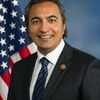 | Ami Bera (D) | |
 | Kevin Kiley (R) | |
 | Chris Bennett (D)  | |
| Lyndon Cervantes (D) | ||
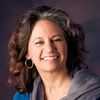 | Heidi Hall (D) | |

| Incumbents arebolded and underlined. | |||
| = candidate completed theBallotpedia Candidate Connection survey. | ||||
| If you are a candidate and would like to tell readers and voters more about why they should vote for you,complete the Ballotpedia Candidate Connection Survey. | ||||
Do you want a spreadsheet of this type of data?Contact our sales team. | ||||
Withdrawn or disqualified candidates
- Tyler Vandenberg (D)
Endorsements
Ballotpedia is gathering information about candidate endorsements. To send us an endorsement,click here.
2024
See also: California's 3rd Congressional District election, 2024
California's 3rd Congressional District election, 2024 (March 5 top-two primary)
General election
General election for U.S. House California District 3
IncumbentKevin Kiley defeatedJessica Morse in the general election for U.S. House California District 3 on November 5, 2024.
Candidate | % | Votes | ||
| ✔ | | Kevin Kiley (R) | 55.5 | 234,246 |
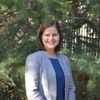 | Jessica Morse (D) | 44.5 | 188,067 | |
| Incumbents arebolded and underlined. The results have been certified. Source | Total votes: 422,313 | ||
| = candidate completed theBallotpedia Candidate Connection survey. | ||||
| If you are a candidate and would like to tell readers and voters more about why they should vote for you,complete the Ballotpedia Candidate Connection Survey. | ||||
Do you want a spreadsheet of this type of data?Contact our sales team. | ||||
Nonpartisan primary election
Nonpartisan primary for U.S. House California District 3
IncumbentKevin Kiley andJessica Morse defeatedRobert Smith in the primary for U.S. House California District 3 on March 5, 2024.
Candidate | % | Votes | ||
| ✔ | | Kevin Kiley (R) | 55.9 | 137,397 |
| ✔ | | Jessica Morse (D) | 42.1 | 103,443 |
 | Robert Smith (No party preference) | 2.0 | 5,007 | |
| Incumbents arebolded and underlined. The results have been certified. Source | Total votes: 245,847 | ||
| = candidate completed theBallotpedia Candidate Connection survey. | ||||
| If you are a candidate and would like to tell readers and voters more about why they should vote for you,complete the Ballotpedia Candidate Connection Survey. | ||||
Do you want a spreadsheet of this type of data?Contact our sales team. | ||||
Withdrawn or disqualified candidates
- Douglas Huhn (D)
Endorsements
Kiley received the following endorsements.
Pledges
Kiley signed the following pledges.
2022
See also: California's 3rd Congressional District election, 2022
General election
General election for U.S. House California District 3
Kevin Kiley defeatedKermit Jones in the general election for U.S. House California District 3 on November 8, 2022.
Candidate | % | Votes | ||
| ✔ | | Kevin Kiley (R) | 53.6 | 181,438 |
 | Kermit Jones (D) | 46.4 | 156,761 | |
| There were noincumbents in this race. The results have been certified. Source | Total votes: 338,199 | ||
| = candidate completed theBallotpedia Candidate Connection survey. | ||||
| If you are a candidate and would like to tell readers and voters more about why they should vote for you,complete the Ballotpedia Candidate Connection Survey. | ||||
Do you want a spreadsheet of this type of data?Contact our sales team. | ||||
Nonpartisan primary election
Nonpartisan primary for U.S. House California District 3
Kevin Kiley andKermit Jones defeatedScott Jones andDavid Peterson in the primary for U.S. House California District 3 on June 7, 2022.
Candidate | % | Votes | ||
| ✔ | | Kevin Kiley (R) | 39.7 | 93,552 |
| ✔ | | Kermit Jones (D) | 38.7 | 91,217 |
 | Scott Jones (R) | 16.2 | 38,288 | |
 | David Peterson (D) | 5.4 | 12,675 | |
| There were noincumbents in this race. The results have been certified. Source 1 Source 2 | Total votes: 235,732 | ||
| = candidate completed theBallotpedia Candidate Connection survey. | ||||
| If you are a candidate and would like to tell readers and voters more about why they should vote for you,complete the Ballotpedia Candidate Connection Survey. | ||||
Do you want a spreadsheet of this type of data?Contact our sales team. | ||||
Withdrawn or disqualified candidates
- Monika Sheldon-London (R)
- Peter Delle (D)
2021
Gavin Newsom yes/no recall question
Gavin Newsom recall, 2021
Gavin Newsom won the Governor of California recall election onSeptember 14, 2021.
Recall Vote | % | Votes | |||
Yes | 38.1 | 4,894,473 | |||
| ✔ | No | 61.9 | 7,944,092 | ||
Total Votes | 12,838,565 | ||||
| It has been certified. Source |
Gavin Newsom replacement question
The ordering on the candidate list below does not reflect the order in which candidates will appear on the recall ballot.Click here to read Ballotpedia's policy on ordering candidate lists.
General election
Special general election for Governor of California
The following candidates ran in the special general election for Governor of California on September 14, 2021.
Candidate | % | Votes | ||
 | Larry Elder (R) | 48.4 | 3,563,867 | |
 | Kevin Paffrath (D) | 9.6 | 706,778 | |
 | Kevin Faulconer (R) | 8.0 | 590,346 | |
 | Brandon Ross (D) | 5.3 | 392,029 | |
 | John Cox (R) | 4.1 | 305,095 | |
| Kevin Kiley (R) | 3.5 | 255,490 | |
 | Jacqueline McGowan (D) | 2.9 | 214,242 | |
 | Joel Ventresca (D) | 2.5 | 186,345 | |
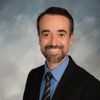 | Daniel Watts (D) | 2.3 | 167,355 | |
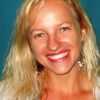 | Holly Baade (D) | 1.3 | 92,218 | |
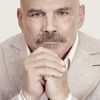 | Patrick Kilpatrick (D) | 1.2 | 86,617 | |
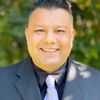 | Armando Perez-Serrato (D) | 1.2 | 85,061 | |
 | Caitlyn Jenner (R) | 1.0 | 75,215 | |
 | John Drake (D) | 0.9 | 68,545 | |
 | Daniel Kapelovitz (G) | 0.9 | 64,375 | |
 | Jeff Hewitt (L) | 0.7 | 50,378 | |
 | Ted Gaines (R) | 0.7 | 47,937 | |
 | Angelyne (No party preference) | 0.5 | 35,900 | |
 | David Moore (No party preference) | 0.4 | 31,224 | |
 | Anthony Trimino (R) | 0.4 | 28,101 | |
 | Doug Ose (R) (Unofficially withdrew) | 0.4 | 26,204 | |
 | Michael Loebs (No party preference) | 0.3 | 25,468 | |
 | Heather Collins (G) | 0.3 | 24,260 | |
 | Major Singh (No party preference) | 0.3 | 21,394 | |
 | David Lozano (R) | 0.3 | 19,945 | |
 | Denver Stoner (R) | 0.3 | 19,588 | |
 | Samuel Gallucci (R) | 0.2 | 18,134 | |
 | Steven Chavez Lodge (R) | 0.2 | 17,435 | |
 | Jenny Rae Le Roux (R) | 0.2 | 16,032 | |
 | David Bramante (R) | 0.2 | 11,501 | |
 | Diego Martinez (R) | 0.1 | 10,860 | |
 | Robert Newman (R) | 0.1 | 10,602 | |
 | Sarah Stephens (R) | 0.1 | 10,583 | |
 | Dennis Richter (No party preference) | 0.1 | 10,468 | |
 | Major Williams (R) (Write-in) | 0.1 | 8,965 | |
 | Denis Lucey (No party preference) | 0.1 | 8,182 | |
 | James Hanink (No party preference) | 0.1 | 7,193 | |
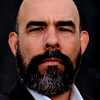 | Daniel Mercuri (R) | 0.1 | 7,110 | |
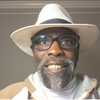 | Chauncey Killens (R) | 0.1 | 6,879 | |
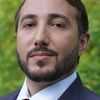 | Leo Zacky (R) | 0.1 | 6,099 | |
 | Kevin Kaul (No party preference) | 0.1 | 5,600 | |
 | David Hillberg (R) | 0.1 | 4,435 | |
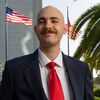 | Adam Papagan (No party preference) | 0.1 | 4,021 | |
 | Rhonda Furin (R) | 0.1 | 3,964 | |
 | Nickolas Wildstar (R) | 0.1 | 3,811 | |
 | Jeremiah Marciniak (No party preference) | 0.0 | 2,894 | |
 | Joe Symmon (R) | 0.0 | 2,397 | |
| Miki Habryn (No party preference) (Write-in) | 0.0 | 137 | ||
| Roxanne (D) (Write-in) | 0.0 | 116 | ||
| Stacy Smith (D) (Write-in) | 0.0 | 81 | ||
| Vivek Mohan (No party preference) (Write-in) | 0.0 | 68 | ||
| Thuy Hugens (American Independent Party of California) (Write-in) | 0.0 | 19 | ||
| Vince Lundgren (No party preference) (Write-in) | 0.0 | 5 | ||
| There were noincumbents in this race. The results have been certified. Source | Total votes: 7,361,568 | ||
| = candidate completed theBallotpedia Candidate Connection survey. | ||||
| If you are a candidate and would like to tell readers and voters more about why they should vote for you,complete the Ballotpedia Candidate Connection Survey. | ||||
Do you want a spreadsheet of this type of data?Contact our sales team. | ||||
Withdrawn or disqualified candidates
- Karen Blake (R)
- Mariana Dawson (No party preference)
- Veronika Fimbres (G)
- Elizabeth Floyd (No party preference)
- Wayne Frazier (R)
- Timothy Herode (R)
- Luis Huang (D)
- Jimih Jones (R)
- Paul Mesrop Kurdian (No party preference)
- Carla Canada (No party preference)
- Mary Cook (No party preference)
- Torr Leonard (D)
- Jeremy Lupoli (D)
- Louis J. Marinelli, III (R)
- Christopher Mason (R)
- John Pierce (R)
- Patrick Rakus Jr. (R)
- Frank Wade (D)
- Marc Roth (No party preference)
- Christopher Carlson (G)
- Douglas Deitch (D)
- Bryan Farley (D)
- Justin Hubbard (R)
- Jason Dixon (D)
- Sean Harrison (R)
- Ronald Palmieri (D)
- Ben Zandpour (No party preference)
- Robert Davidson Griffis (D)
- A. Shantz (G)
- Adam Hadjinian (No party preference)
- Michael Lynn Gabriel (No party preference)
- Hilaire Shioura (No party preference)
- Lee Olson (No party preference)
- Joseph Luciano (R)
- Steven Fitzgerald (R)
- Anthony Fanara (D)
- Jemiss Nazar (No party preference)
- Kevin Abushi (R)
- Joseph Amey (American Independent Party of California)
2019
See also: California state legislative special elections, 2019
General election
Special general election for California State Senate District 1
Brian Dahle defeatedKevin Kiley in the special general election for California State Senate District 1 on June 4, 2019.
Candidate | % | Votes | ||
| ✔ |  | Brian Dahle (R) | 53.9 | 84,503 |
| Kevin Kiley (R) | 46.1 | 72,169 | |
| There were noincumbents in this race. The results have been certified. Source | Total votes: 156,672 | ||
| = candidate completed theBallotpedia Candidate Connection survey. | ||||
| If you are a candidate and would like to tell readers and voters more about why they should vote for you,complete the Ballotpedia Candidate Connection Survey. | ||||
Do you want a spreadsheet of this type of data?Contact our sales team. | ||||
Nonpartisan primary election
Special nonpartisan primary for California State Senate District 1
The following candidates ran in the special primary for California State Senate District 1 on March 26, 2019.
Candidate | % | Votes | ||
| ✔ | | Brian Dahle (R) | 29.6 | 57,725 |
| ✔ | | Kevin Kiley (R) | 27.9 | 54,290 |
 | Silke Pflueger (D) | 25.2 | 49,164 | |
 | Rex Hime (R) | 9.3 | 18,050 | |
 | Steven Baird (D) | 5.6 | 10,855 | |
 | Theodore Dziuba (R) | 2.4 | 4,672 | |
| There were noincumbents in this race. The results have been certified. Source | Total votes: 194,756 | ||
| = candidate completed theBallotpedia Candidate Connection survey. | ||||
| If you are a candidate and would like to tell readers and voters more about why they should vote for you,complete the Ballotpedia Candidate Connection Survey. | ||||
Do you want a spreadsheet of this type of data?Contact our sales team. | ||||
2018
See also:
General election
General election for California State Assembly District 6
IncumbentKevin Kiley defeatedJackie Smith in the general election for California State Assembly District 6 on November 6, 2018.
Candidate | % | Votes | ||
| ✔ | | Kevin Kiley (R) | 58.0 | 131,284 |
 | Jackie Smith (D) | 42.0 | 94,984 | |
| Incumbents arebolded and underlined. The results have been certified. Source | Total votes: 226,268 | ||
| = candidate completed theBallotpedia Candidate Connection survey. | ||||
| If you are a candidate and would like to tell readers and voters more about why they should vote for you,complete the Ballotpedia Candidate Connection Survey. | ||||
Do you want a spreadsheet of this type of data?Contact our sales team. | ||||
Nonpartisan primary election
Nonpartisan primary for California State Assembly District 6
IncumbentKevin Kiley andJackie Smith advanced from the primary for California State Assembly District 6 on June 5, 2018.
Candidate | % | Votes | ||
| ✔ | | Kevin Kiley (R) | 61.3 | 80,843 |
| ✔ | | Jackie Smith (D) | 38.7 | 50,953 |
| Incumbents arebolded and underlined. The results have been certified. | Total votes: 131,796 | ||
| = candidate completed theBallotpedia Candidate Connection survey. | ||||
| If you are a candidate and would like to tell readers and voters more about why they should vote for you,complete the Ballotpedia Candidate Connection Survey. | ||||
Do you want a spreadsheet of this type of data?Contact our sales team. | ||||
2016
Elections for theCalifornia State Assembly took place in 2016. The primary election was held on June 7, 2016, and the general election was held on November 8, 2016. The candidate filing deadline was February 25, 2016, for candidates filing with signatures. The deadline for candidates using a filing fee to qualify was March 11, 2016.[3] IncumbentBeth Gaines (R) did not seek re-election.
Kevin Kiley defeatedBrian Caples in the California State Assembly District 6 general election.[4][5]
| California State Assembly, District 6 General Election, 2016 | ||||
|---|---|---|---|---|
| Party | Candidate | Vote % | Votes | |
| Republican |  Kevin Kiley Kevin Kiley | 64.59% | 149,415 | |
| Democratic | Brian Caples | 35.41% | 81,919 | |
| Total Votes | 231,334 | |||
| Source:California Secretary of State | ||||
The following candidates ran in the California State Assembly District 6 Blanket primary.[6][7]
| California State Assembly, District 6 Blanket Primary, 2016 | ||||
|---|---|---|---|---|
| Party | Candidate | Vote % | Votes | |
| Democratic | Brian Caples | 19.82% | 26,707 | |
| Republican | Kevin Kiley | 16.34% | 22,019 | |
| Republican | Andy Pugno | 14.13% | 19,033 | |
| Democratic | John Edward Z'Berg | 11.79% | 15,884 | |
| Republican | Cristi Nelson | 9.53% | 12,834 | |
| Republican | Bill Halldin | 9.16% | 12,342 | |
| Republican | Kevin Hanley | 6.67% | 8,989 | |
| Republican | Ron Mikulaco | 6.12% | 8,239 | |
| Republican | Suzanne Jones | 3.26% | 4,397 | |
| Independent | Bogdan Ambrozewicz | 1.96% | 2,634 | |
| Republican | Gabriel L. Hydrick | 1.22% | 1,649 | |
| Total Votes | 134,727 | |||
Campaign themes
2026
Ballotpedia survey responses
See also:Ballotpedia's Candidate Connection

Kevin Kiley has not yet completedBallotpedia's 2026 Candidate Connection survey.Send a message to Kevin Kiley asking him to fill out the survey. If you are Kevin Kiley,click here to fill out Ballotpedia's 2026 Candidate Connection survey.
Who fills out Ballotpedia's Candidate Connection survey?
Any candidate running for elected office, at any level, can complete Ballotpedia's Candidate Survey. Completing the survey will update the candidate's Ballotpedia profile, letting voters know who they are and what they stand for. More than 25,000 candidates have taken Ballotpedia's candidate survey since we launched it in 2015. Learn more about the surveyhere.
You can ask Kevin Kiley to fill out this survey by using the buttons below or emailing info@electkevinkiley.com.


2024
Kevin Kiley did not completeBallotpedia's 2024 Candidate Connection survey.
2022
Kevin Kiley did not completeBallotpedia's 2022 Candidate Connection survey.
2021
Kevin Kiley did not completeBallotpedia's 2021 Candidate Connection survey.
Campaign website
Kiley’s campaign website stated the following:
| “ | Removing Gavin Newsom will not solve California’s problems all at once. He exemplifies those problems, and he has done more to compound than any prior Governor. So the Recall will stop further damage. But to have lasting meaning, the mandate from this extraordinary act of popular sovereignty must be channeled into fundamental changes to our political institutions and political culture. Humility Humility also means focusing earnestly on the core functions of government. I call this a “Back to Basics” approach. Miriam Pawel wrote in the New York Times that California needs “leadership more focused on nonglamorous but essential government functions. A strategy that looked to score runs by hitting single after single, rather than always swinging for elusive home runs. So far that leadership has been in short supply.” As one example, that would mean fewer projects like the high-speed rail, instead attending to our core infrastructure: roads, highways, and bridges that are uncongested and drivable; dams, reservoirs, and levies that are robust and reliable; power plants, grids, and transmission lines that are safe and affordable; forests, parks, and open spaces that are healthy and breathable. The Rule of Law Respecting the rule of law means recognizing both the California and U.S. Constitutions as constraints on what the Governor, the Legislature, or any official can do. It means restoring a proper separation of powers, where the Governor’s job is to implement laws passed by the Legislature. Churning out orders with the stroke of a pen is certainly easier than a legislative process. But our Founders made a deliberate choice that exercising the powers of government should not be easy. As the ultimate safeguard of liberty, they defined those powers as limited, distributed, checked, and balanced—precisely the opposite of California these last 15 months. The Public Interest Changing this dynamic can be difficult to do through campaign finance laws, but it is achievable through a cultural change at the Capitol. That was my goal in becoming the first 100 percent citizen- backed California Legislator by declining all contributions from the Third House. Ultimately, accepting Third House contributions needs to be stigmatized, and that can start with political leaders, like a new governor, refusing to support any candidate of either party who accepts them. Accountability Homelessness is an especially unfortunate example. In 2019, 1,039 homeless people died on the streets of Los Angeles, and the state’s overall homeless population was growing faster than the rest of the country combined. At the same time, we spent $2.7 billion more to address the problem over a two-year period. The nonpartisan Legislative Analyst warned more funds would “quickly dissipate” because there was no strategy, yet in early 2020 Newsom wanted to add $1.4 billion in additional spending. I proposed a full audit of where funding was going and what outcomes were being achieved, so that our spending would be informed by data about what would best help Californians transition out of homelessness or avoid it altogether. I was one vote away from getting the audit approved when Newsom pressured three legislators to “abstain.” Citizen Service With the human capital and technology we have available to us, there is no reason Californians should have to put up with substandard service. The Legislature and Governor can work together on a total overhaul of the state bureaucracy: focusing its mission, modernizing its technology, and bringing in new talent with clear performance benchmarks for every agency of government. Transparency It also means insisting on policy to match the rhetoric of equity and social justice. In that regard, what is needed perhaps most of all is comprehensive education reform. A true commitment to equity would involve looking to what has worked in other states to reduce achievement gaps and propel student achievement. The same goes for the cost of living in California, especially housing, which gets worse every year as a result of deliberate policy choices even as lawmakers claim they are addressing the problem. Unity Responsibility As one example, California’s massively underfunded public pension system is not just a theoretical problem; increased payments to CalPERS and CalSTRS are eating into the budgets of school districts, cities, and counties. As another example, no reforms were made to California’s unstable tax structure, despite urgent warnings from Jerry Brown and others, and it led to a historic deficit in 2020. Satisfying immediate political demands has been the way of the Capitol for too long. California needs a new model of political leadership based on durable stewardship of the public interest.[8] | ” |
| —Kevin Kiley’s campaign website (2021)[9] | ||
2020
Kevin Kiley did not completeBallotpedia's 2020 Candidate Connection survey.
2019
Ballotpedia survey responses
See also:Ballotpedia's Candidate Connection
Kevin Kiley did not completeBallotpedia's Candidate Connection survey.
Campaign finance summary
 Note: The finance data shown here comes from the disclosures required of candidates and parties. Depending on the election or state, this may represent only a portion of all the funds spent on their behalf.Satellite spending groups may or may not have expended funds related to the candidate or politician on whose page you are reading this disclaimer. Campaign finance data from elections may be incomplete. For elections to federal offices, complete data can be found at theFEC website. Clickhere for more on federal campaign finance law andhere for more on state campaign finance law.
| Year | Office | Status | Contributions | Expenditures |
|---|---|---|---|---|
| 2026* | U.S. House California District 3 | Candidacy Declared primary | $2,087,842 | $417,684 |
| 2024 | U.S. House California District 3 | Won general | $4,266,489 | $3,924,170 |
| 2022 | U.S. House California District 3 | Won general | $3,212,844 | $3,173,871 |
| 2021 | Governor of California | Lost general | $1,409,903 | $1,567,735 |
| 2020 | California State Assembly District 6 | Won general | $444,387 | N/A** |
| 2019 | California State Senate District 1 | Lost general | $974,940 | N/A** |
| 2016 | California State Assembly, District 6 | Won | $613,561 | N/A** |
| ** Data on expenditures is not available for this election cycle | ||||
| Note: Totals above reflect only available data. | ||||
Personal finance disclosures
Members of the House are required to file financial disclosure reports. You can search disclosure reports on the House’s official websitehere.
Analysis
Below are links to scores and rankings Ballotpedia compiled for members of Congress. We chose analyses that help readers understand how each individual legislator fit into the context of the chamber as a whole in terms of ideology, bill advancement, bipartisanship, and more.
If you would like to suggest an analysis for inclusion in this section, please emaileditor@ballotpedia.org.
119th Congress (2025-2027)
118th Congress (2023-2025)
Notable endorsements
This section displays endorsements this individual made in elections within Ballotpedia'scoverage scope.
| Endorsee | Election | Stage | Outcome |
|---|---|---|---|
| Scott Baugh source (R) | U.S. House California District 47 (2024) | Primary | Lost General |
| Measure | Position | Outcome |
|---|---|---|
| California Proposition 36, Drug and Theft Crime Penalties and Treatment-Mandated Felonies Initiative (2024) source | Support | Approved |
| California Proposition 50, Use of Legislative Congressional Redistricting Map Amendment (2025) source | Oppose | Approved |
State legislative tenure
Scorecards
Ascorecard evaluates a legislator’s voting record. Its purpose is to inform voters about the legislator’s political positions. Because scorecards have varying purposes and methodologies, each report should be considered on its own merits. For example, an advocacy group’s scorecard may assess a legislator’s voting record on one issue while a state newspaper’s scorecard may evaluate the voting record in its entirety.
Ballotpedia is in the process of developing an encyclopedic list of published scorecards. Some states have a limited number of available scorecards or scorecards produced only by select groups. It is Ballotpedia’s goal to incorporate all available scorecards regardless of ideology or number.
Click here for an overview of legislative scorecards in all 50 states. To contribute to the list of California scorecards, email suggestions toeditor@ballotpedia.org.
2022
In 2022, theCalifornia State Legislature was in session from January 3 to August 31.
- Legislators are scored on their votes on the association's position legislation.
- Legislators are scored on their votes on bills supported or opposed by the chamber.
- Legislators are scored on their votes on environmental issues.
- Legislators are scored on their votes on issues related to labor.
- Legislators are scored on their votes on environmental issues.
- Legislators are scored on their votes on issues pertaining to children.
- Legislators are scored on their votes on LGBT issues.
- Legislators are scored on their votes on issues related to the interests of health care consumers.
- Legislators are scored on how they voted on taxpayer-related issues.
- Legislators are scored on issues related to sexual and reproductive health.
- Legislators are scored on their votes on bills supported or opposed by the organization.
- Legislators are scored on their votes on bills related to business issues.
- Legislators are scored on issues related to sexual and reproductive health.
- Legislators are scored on their votes on bills supported or opposed by the organization.
- Legislators are scored on their votes on bills related to environmental policy.
- Legislators are scored on their adherence to the limited government principles of the U.S. Constitution.
- Legislators are scored on their votes on bills related to the interests of home care providers.
2021
| To view all the scorecards we found for this legislator in 2021, click [show]. |
|---|
In 2021, theCalifornia State Legislature was in session from December 7 to September 10.
|
2020
| To view all the scorecards we found for this legislator in 2020, click [show]. |
|---|
In 2020, theCalifornia State Legislature was in session from January 6 to August 31.
|
2019
| To view all the scorecards we found for this legislator in 2019, click [show]. |
|---|
In 2019, theCalifornia State Legislature was in session from January 7 through September 13.
|
2018
| To view all the scorecards we found for this legislator in 2018, click [show]. |
|---|
In 2018, theCalifornia State Legislature was in session from January 3, 2018 through August 31, 2018.
|
2017
| To view all the scorecards we found for this legislator in 2017, click [show]. |
|---|
In 2017, theCalifornia State Legislature was in session from December 5, 2016 through September 15, 2017.
|
2016
| To view all the scorecards we found for this legislator in 2016, click [show]. |
|---|
In 2016, theCalifornia State Legislature was in session from January 4 through August 31. The formal session ended on August 31, but constitutionally the session adjourned sine die on November 30.
|
Sponsored legislation
The following table lists bills this person sponsored as a legislator, according toBillTrack50 and sorted by action history. Bills are sorted by the date of their last action. The following list may not be comprehensive. To see all bills this legislator sponsored, click on the legislator's name in the title of the table.
Committee assignments
2021-2022
Kiley was assigned to the following committees:
- Legislative Audit Committee
- Legislative Budget Committee
- Budget Committee
- Education Committee,Vice Chair
- Higher Education Committee
- Housing and Community Development Committee
- Judiciary Committee
- Privacy and Consumer Protection Committee,Vice Chair
2019-2020
Kiley was assigned to the following committees:
- Housing and Community Development Committee
- Education Committee,Vice Chair
- Judiciary Committee
- Higher Education Committee
- Privacy and Consumer Protection Committee,Vice Chair
2017 legislative session
At the beginning of the 2017 legislative session, this legislator served on the following committees:
| California committee assignments, 2017 |
|---|
| •Education |
| •Governmental Organization |
| •Higher Education |
| •Judiciary |
| •Privacy and Consumer Protection, Vice chair |
Key votes
- See also:Key votes
Ballotpedia monitors legislation that receives a vote and highlights the ones that we consider to be key to understanding where elected officials stand on the issues. To read more about how we identify key votes, clickhere.
Key votes: 118th Congress, 2023-2025
The118th United States Congress began on January 3, 2023, and ended on January 3, 2025. At the start of the session, Republicans held the majority in theU.S. House of Representatives (222-212), and Democrats held the majority in theU.S. Senate (51-49).Joe Biden (D) was the president andKamala Harris (D) was the vice president. We identified the key votes below usingCongress' top-viewed bills list and through marquee coverage of certain votes on Ballotpedia.
| Key votes: 118th Congress, 2023-2025 | ||||||||
|---|---|---|---|---|---|---|---|---|
| Vote | Bill and description | Status | ||||||
 Yea Yea |
| Passed (310-118)[11] | ||||||
| Yea |
| Passed (227-201)[13] | ||||||
| Yea |
| Passed (217-215)[15] | ||||||
| Yea |
| Passed (328-86)[17] | ||||||
| Yea |
| Passed (225-204)[19] | ||||||
| Yea |
| Passed (219-200)[21] | ||||||
| Yea |
| Passed (229-197)[23] | ||||||
| Yea |
| Passed (314-117)[25] | ||||||
| Rep.Kevin McCarthy (R-Calif.) |
| Rep.Kevin McCarthy (R-Calif.) (216-212) | ||||||
 Nay Nay |
| Passed (216-210)[28] | ||||||
| Rep.Mike Johnson (R-La.) |
| Rep.Mike Johnson (R-La.) (220-209) | ||||||
| Yea |
| Passed (221-212)[31] | ||||||
| Yea |
| Passed (311-114)[33] | ||||||
| Yea |
| Passed (327-75)[35] | ||||||
| Yea |
| Passed (219-213)[37] | ||||||
| Yea |
| Passed (219-211)[39] | ||||||
| Yea |
| Passed (357-70)[41] | ||||||
| Yea |
| Passed (217-199)[43] | ||||||
| Yea |
| Passed (320-91)[45] | ||||||
| Yea |
| Passed (387-26)[47] | ||||||
| Yea |
| Passed (219-184)[49] | ||||||
| Yea |
| Passed (214-213)[51] | ||||||
| Yea |
| Passed (341-82)[53] | ||||||
See also
2026 Elections


External links
Candidate U.S. House California District 3 | Officeholder U.S. House California District 3 | Personal |
Footnotes
- ↑Kevin Kiley - 6th Assembly District, "Biography," accessed August 4, 2021
- ↑LinkedIn, "Kevin Kiley," accessed July 7, 2025
- ↑California Secretary of State, "Key Dates and Deadlines," accessed April 18, 2017
- ↑California Secretary of State, "Certified List of Candidates for the November 8, 2016, General Election," accessed September 7, 2016
- ↑California Secretary of State, "2016 General Election results," accessed December 23, 2016
- ↑California Secretary of State, "Certified List of Candidates for Voter-Nominated Offices," accessed April 4, 2016
- ↑California Secretary of State, "Statement of Vote," accessed August 22, 2016
- ↑Note: This text is quoted verbatim from the original source. Any inconsistencies are attributable to the original source.
- ↑Kevin Kiley’s campaign website, “Roadmap,” accessed August 4, 2021
- ↑Congress.gov, "H.R.2670 - National Defense Authorization Act for Fiscal Year 2024," accessed February 23, 2024
- ↑Clerk of the United States House of Representatives, "Roll Call 723," December 14, 2023
- ↑Congress.gov, "H.R.185 - To terminate the requirement imposed by the Director of the Centers for Disease Control and Prevention for proof of COVID-19 vaccination for foreign travelers, and for other purposes." accessed February 23, 2024
- ↑Clerk of the United States House of Representatives, "Roll Call 116," accessed May 15, 2025
- ↑Congress.gov, "H.R.2811 - Limit, Save, Grow Act of 2023," accessed February 23, 2024
- ↑Clerk of the United States House of Representatives, "Roll Call 199," accessed May 15, 2025
- ↑Congress.gov, "H.Con.Res.9 - Denouncing the horrors of socialism." accessed February 23, 2024
- ↑Clerk of the United States House of Representatives, "Roll Call 106," accessed May 15, 2025
- ↑Congress.gov, "H.R.1 - Lower Energy Costs Act," accessed February 23, 2024
- ↑Clerk of the United States House of Representatives, "Roll Call 182," accessed May 15, 2025
- ↑Congress.gov, "H.J.Res.30 - Providing for congressional disapproval under chapter 8 of title 5, United States Code, of the rule submitted by the Department of Labor relating to 'Prudence and Loyalty in Selecting Plan Investments and Exercising Shareholder Rights'." accessed February 23, 2024
- ↑Clerk of the United States House of Representatives, "Roll Call 149," accessed May 15, 2025
- ↑Congress.gov, "H.J.Res.7 - Relating to a national emergency declared by the President on March 13, 2020." accessed February 23, 2024
- ↑Clerk of the United States House of Representatives, "Roll Call 104," accessed May 15, 2025
- ↑Congress.gov, "H.R.3746 - Fiscal Responsibility Act of 2023," accessed February 23, 2024
- ↑Clerk of the United States House of Representatives, "Roll Call 243," accessed May 15, 2025
- ↑Congress.gov, "Roll Call 20," accessed February 23, 2024
- ↑Congress.gov, "H.Res.757 - Declaring the office of Speaker of the House of Representatives to be vacant.," accessed February 23, 2024
- ↑Clerk of the United States House of Representatives, "Roll Call 519," accessed May 15, 2025
- ↑Congress.gov, "Roll Call 527," accessed February 23, 2024
- ↑Congress.gov, "H.Res.757 - Declaring the office of Speaker of the House of Representatives to be vacant." accessed February 23, 2024
- ↑Clerk of the United States House of Representatives, "Roll Call 519," accessed May 15, 2025
- ↑Congress.gov, "H.Res.878 - Providing for the expulsion of Representative George Santos from the United States House of Representatives." accessed February 23, 2024
- ↑Clerk of the United States House of Representatives, "Roll Call 691," accessed May 15, 2025
- ↑Congress.gov, "Social Security Fairness Act of 2023." accessed February 13, 2025
- ↑Clerk of the United States House of Representatives, "Roll Call 456," accessed May 15, 2025
- ↑Congress.gov, "H.R.2 - Secure the Border Act of 2023," accessed February 13, 2025
- ↑Clerk of the United States House of Representatives, "Roll Call 209," accessed May 15, 2025
- ↑Congress.gov, "H.R.4366 - Consolidated Appropriations Act, 2024," accessed February 13, 2025
- ↑Clerk of the United States House of Representatives, "Roll Call 380," accessed May 15, 2025
- ↑Congress.gov, "Tax Relief for American Families and Workers Act of 2024," accessed February 23, 2024
- ↑Clerk of the United States House of Representatives, "Roll Call 30," accessed May 15, 2025
- ↑Congress.gov, "H.R.8070 - Servicemember Quality of Life Improvement and National Defense Authorization Act for Fiscal Year 2025," accessed February 18, 2025
- ↑Clerk of the United States House of Representatives, "Roll Call 279," accessed May 15, 2025
- ↑Congress.gov, "H.R.6090 - Antisemitism Awareness Act of 2023," accessed February 13, 2025
- ↑Clerk of the United States House of Representatives, "Roll Call 172," accessed May 15, 2025
- ↑Congress.gov, "H.R.3935 - FAA Reauthorization Act of 2024," accessed February 13, 2025
- ↑Clerk of the United States House of Representatives, "Roll Call 200," accessed May 15, 2025
- ↑Congress.gov, "H.R.9495 - Stop Terror-Financing and Tax Penalties on American Hostages Act," accessed February 13, 2025
- ↑Clerk of the United States House of Representatives, "Roll Call 477," accessed May 15, 2025
- ↑Congress.gov, "H.Res.863 - Impeaching Alejandro Nicholas Mayorkas, Secretary of Homeland Security, for high crimes and misdemeanors." accessed February 13, 2025
- ↑Clerk of the United States House of Representatives, "Roll Call 43," accessed May 15, 2025
- ↑Congress.gov, "H.R.9747 - Continuing Appropriations and Extensions Act, 2025," accessed February 13, 2025
- ↑Clerk of the United States House of Representatives, "Roll Call 450," accessed May 15, 2025
| Political offices | ||
|---|---|---|
| Preceded by John Garamendi (D) | U.S. House California District 3 2023-Present | Succeeded by - |
| Preceded by - | California State Assembly District 6 2016-2022 | Succeeded by Kevin McCarty (D) |

- 118th Congress
- 119th Congress
- 2016 general election (winner)
- 2016 incumbent
- 2018 general election (winner)
- 2018 incumbent
- 2018 primary (winner)
- 2019 challenger
- 2019 general election (defeated)
- 2019 primary (winner)
- 2020 general election (winner)
- 2020 incumbent
- 2020 primary (winner)
- 2021 challenger
- 2021 general election (defeated)
- 2022 challenger
- 2022 general election (winner)
- 2022 primary (winner)
- 2024 general election (winner)
- 2024 incumbent
- 2024 primary (winner)
- 2026 incumbent
- 2026 primary
- California
- California State Assembly candidate, 2016
- California State Assembly candidate, 2018
- California State Assembly candidate, 2020
- California State Senate candidate, 2019
- Current member, U.S. Congress
- Current member, U.S. House
- Former member, California State Assembly
- Former state legislative member
- Former state representative
- Governor of California candidate, 2021
- Gubernatorial candidate, 2021
- Gubernatorial candidates
- Marquee, general candidate, 2021
- Republican Party
- State House candidate, 2016
- State House candidate, 2018
- State House candidate, 2020
- State Senate candidate, 2019
- State house candidates
- State senate candidates
- U.S. House, California
- U.S. House candidate, 2022
- U.S. House candidate, 2024
- U.S. House candidate, 2026
- U.S. House candidates
- 2016 challenger
- 2016 primary (winner)


