

Jill Stein presidential campaign, 2016
 Ballotpedia'sscope changes periodically, and this article type is no longer actively created or maintained. If you would like to help our coverage grow, considerdonating to Ballotpedia.
- 2020 Candidates
- 2016 Pres. Election
- Candidates
- Presidential debates (2015-2016)
- Ballot access for presidential candidates
- Important campaign dates
- Delegate rules
- Polling
- Presidential campaign fundraising, 2008-2016
- Ratings and scorecards
- Straw polling
- Democratic National Convention, 2016
- Republican National Convention, 2016
- Analysis
- Media narratives
- Post-debate analysis
- Insiders Polls
- Full Insiders coverage
- September: Democratic control of the White House
- September: Democratic control of Congress
- January: Democratic
- January: Republican
- December: Democratic
- December: Republican
- Insiders Poll: First Democratic debate (October 13, 2015)
- September: Democratic
- September: Republican
- Insiders Poll: Winners and losers from the Fox News Republican Debate
- Post-debate commentary
- Issues
- Domestic affairs
- Current events
- Abortion
- Branches of government
- Civil liberties
- Climate change
- Constitution
- Crime and justice
- Education
- Energy and environmental policy
- Epidemic control
- Federal assistance programs
- Gun control
- Healthcare
- Immigration
- Infrastructure
- LGBTQ rights
- Marijuana
- Puerto Rico
- Rural policy
- Stop-and-frisk policing
- Urban policy
- Economic affairs and government regulations
- Foreign affairs and national security
- Political savvy
- Political and leadership attributes
- Campaign preparations
- Domestic affairs
- Power Players
- Polls
- Conventions & delegates
 Green presidential nominee Running mate:Ajamu Baraka |
Green Party National Convention •Polls •Debates • Presidential election by state •Ballot access |
Domestic affairs •Economic affairs and government regulations •Foreign affairs and national security |
Hillary Clinton (D) •Donald Trump (R) •Gary Johnson (L) •Vice presidential candidates |
2028 •2024 •2020 •2016 |
Jill Stein was the 2016 Green nominee for president of the United States. She declared her candidacy on June 22, 2015, and officially received the nomination of theGreen Party on August 6, 2016, at theGreen Party National Convention. She was defeated byDonald Trump (R) in the general election on November 8, 2016.
For a decade, Stein was a fixture inMassachusetts state politics, running campaigns for state representative in 2004, secretary of the commonwealth in 2006, and governor in 2002 and 2010. She did not win any of these elections. She also ran for president in 2012, winning her party's nomination and securing 0.36 percent of the popular vote in the general election.
By trade, Stein is a physician who practiced internal medicine for 25 years. Although Stein retired in 2005, she frequently cited her professional background as a driving force for her entering the political arena in her 50s. She explained in one interview, "Now, I say I'm practicing political medicine instead of clinical medicine because it's the mother of all illnesses and we've got to fix this political disease so we can get down to fixing the things that threaten life, limb and even survival. That includes war, poverty and climate change, as well as our physical health."[2]
She supported progressive policy positions that would have moved "from the greed and exploitation of corporate capitalism to a human-centered economy that puts people, planet and peace over profit," according to her2016 campaign website. At the center of Stein's platform was the adoption of a "Green New Deal," which would have sought to create millions of new jobs and improve infrastructure, agriculture, and conservation in the United States.
On August 1, 2016, Stein announced that she had selected human rights advocateAjamu Baraka to be her running mate. She described him as an "activist, writer, intellectual and organizer with a powerful voice, vision, and lifelong commitment to building true political revolution."[3]
Stein typically received between 1 percent and 5 percent support in national polls in 2016. Under rules promulgated by theCommission on Presidential Debates (CPD), to qualify to participate in a presidential debate, a candidate must reach 15 percent support in an average of five selected national polls. Stein has said the CPD "is a thinly disguised scheme to protect the two establishment parties from competition" and called onHillary Clinton (D) andDonald Trump (R) to demand that she and Libertarian nomineeGary Johnson be allowed to join the debates.[4]
Interview with Ballotpedia
On February 8, 2016,Jill Stein spoke with Ballotpedia about ballot access, her top policy initiatives, and the 2016 political climate.
Stein on domestic affairs
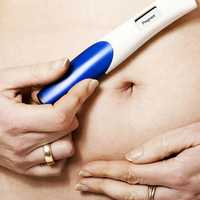
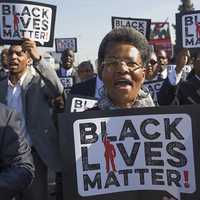
Stein had taken progressive positions on most social issues, supporting abortion rights, marriage equality, and the legalization of marijuana for medical and recreational use. She had called for terminating unconstitutional surveillance, closing Guantanamo, abolishing secret kill lists, and repealing indefinite detention without charge or trial. On education reform, Stein opposed high-stakes testing and the privatization of public schools. She defined healthcare as a basic human right and would have sought to implement a single-payer public health insurance program.
Click the tiles below to learn more about Stein's positions on domestic affairs.







Stein on economic affairs and government regulations
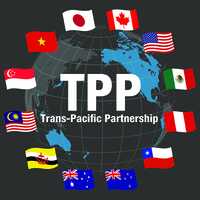
Fundamental to Stein's platform was the adoption of a "Green New Deal" that would have created "living wage jobs," restore infrastructure across the country, and transition the country to a green economy. Stein supported reducing the deficit through the Green New Deal, cutting military spending, and changing how income is taxed. She had expressed opposition to the Trans-Pacific Partnership and the "globalized industrial factory" food system.
Click the tiles below to learn more about Stein's positions on economic affairs and government regulations.

Stein on foreign affairs and national security
Stein had expressed support for a foreign policy focus on achieving peace and preserving human rights. According to her platform, Stein would have taken the following actions: "Establish a foreign policy based on diplomacy, international law, and human rights. End the wars and drone attacks, cut military spending by at least 50% and close the 700+ foreign military bases that are turning our republic into a bankrupt empire. Stop U.S. support and arms sales to human rights abusers, and lead on global nuclear disarmament."[5]
Click the tiles below to learn more about Stein's positions on foreign affairs and national security.





Polls
| Polls including third party candidates - (September-October 2016) | |||||||||||||||||||
|---|---|---|---|---|---|---|---|---|---|---|---|---|---|---|---|---|---|---|---|
| Poll |  Hillary Clinton Hillary Clinton |  Donald Trump Donald Trump |  Gary Johnson Gary Johnson |  Jill Stein Jill Stein | Unsure or Other | Margin of Error | Sample Size | ||||||||||||
| ABC News/Washington Post October 10-13, 2016 | 47% | 43% | 5% | 2% | 3% | +/-4 | 740 | ||||||||||||
| NBC News/Wall St. Journal October 10-13, 2016 | 48% | 37% | 7% | 2% | 6% | +/-3.3 | 905 | ||||||||||||
| GWU/Battleground October 8-13, 2016 | 47% | 39% | 8% | 2% | 4% | +/-3.1 | 1,000 | ||||||||||||
| Fox News October 10-12, 2016 | 45% | 38% | 7% | 3% | 7% | +/-3 | 917 | ||||||||||||
| NBC News/Wall Street Journal October 8-10, 2016 | 46% | 37% | 8% | 2% | 7% | +/-3.5 | 806 | ||||||||||||
| Reuters/Ipsos October 6-10, 2016 | 44% | 37% | 6% | 2% | 11% | +/-2.2 | 2,363 | ||||||||||||
| Rasmussen October 5-9, 2016 | 45% | 38% | 7% | 2% | 8% | +/-2.5 | 1,500 | ||||||||||||
| NBC News/SurveyMonkey October 3-9, 2016 | 46% | 41% | 8% | 3% | 2% | +/-1 | 23,329 | ||||||||||||
| Economist/YouGov October 7-8, 2016 | 44% | 38% | 5% | 1% | 12% | +/-4.2 | 971 | ||||||||||||
| Quinnipiac October 5-6, 2016 | 45% | 40% | 6% | 3% | 6% | +/-3 | 1,064 | ||||||||||||
| Fox News October 3-6, 2016 | 44% | 42% | 6% | 2% | 6% | +/-3 | 896 | ||||||||||||
| Rasmussen Reports October 3-5, 2016 | 41% | 43% | 8% | 3% | 5% | +/-2.5 | 1,500 | ||||||||||||
| Economist/YouGov October 1-October 3, 2016 | 43% | 40% | 5% | 3% | 9% | +/-3.9 | 911 | ||||||||||||
| Reuters/Ipsos September 29-October 3, 2016 | 42% | 36% | 8% | 2% | 12% | +/-3.2 | 1,239 | ||||||||||||
| CBS News September 28-October 2, 2016 | 45% | 41% | 8% | 3% | 3% | +/-4 | 1,217 | ||||||||||||
| CNN/ORC September 28-October 2, 2016 | 47% | 42% | 7% | 2% | 2% | +/-3 | 1,213 | ||||||||||||
| NBC News/SurveyMonkey September 26-October 2, 2016 | 46% | 40% | 9% | 3% | 2% | +/-1 | 26,925 | ||||||||||||
| Fox News September 27-29, 2016 | 43% | 40% | 8% | 4% | 5% | +/-3 | 911 | ||||||||||||
| Public Policy Polling September 27-28, 2016 | 44% | 40% | 6% | 1% | 9% | +/-3.2 | 933 | ||||||||||||
| Reuters/Ipsos September 22-26, 2016 | 42% | 38% | 7% | 2% | 9% | +/-3.5 | 1,041 | ||||||||||||
| Quinnipiac September 22-25, 2016 | 44% | 43% | 8% | 2% | 3% | +/-3.1 | 1,115 | ||||||||||||
| Monmouth September 22-25, 2016 | 46% | 42% | 8% | 2% | 2% | +/-3.6 | 729 | ||||||||||||
| Economist/YouGov September 22-24, 2016 | 44% | 41% | 5% | 2% | 8% | +/-3.8 | 948 | ||||||||||||
| Bloomberg September 21-24, 2016 | 41% | 43% | 8% | 4% | 4% | +/-3.1 | 1,002 | ||||||||||||
| ABC News/Washington Post September 19-22, 2016 | 46% | 44% | 5% | 1% | 4% | +/-4.5 | 651 | ||||||||||||
| Note: A "0%" finding means the candidate was not a part of the poll. The polls above may not reflect all polls that have been conducted in this race. Those displayed are a random sampling chosen by Ballotpedia staff. If you would like to nominate another poll for inclusion in the table, send an email toeditor@ballotpedia.org. | |||||||||||||||||||
Ballot access
Some states have special provisions permitting parties to place presidential candidates on the ballot without attaining full ballot status. Ballot access for the presidential candidates of select minor parties in previous election cycles is detailed below.
Presidential ballot access, 2024
- See also:Presidential candidates, 2024.
There were 11 candidates on the ballot inLouisiana, more than in any other state.Washington came in second, with 10 candidates.New York had two candidates on the ballot, the fewest in 2024.
The following map shows the number of presidential candidates on the ballot in 2024 in each state.
For information from previously presidential election years, click "[Show more]" below.
Presidential ballot access, 2020
- See also:Presidential candidates, 2020
There were 21 candidates on the ballot each inVermont andColorado, more than in any other state.Arkansas andLouisiana came in second, with 13 candidates each. Twelve states featured only three candidates on the ballot.
The following map shows the number of presidential candidates on the ballot in 2020 in each state.
Presidential ballot access, 2016
- See also:Presidential candidates, 2016
In 2016, the Democratic and Republican parties were fully ballot-qualified in all 50 states, granting them presidential ballot access by default. The following large minor parties achieved presidential ballot access as indicated:[6][7][8]
- Libertarian Party: 50 states
- Green Party: 44 states (write-in status in an additional three states)
- Constitution Party: 24 states (write-in status in an additional 22 states)
The maps below provide further details for each of these parties. Hover over a state to see further details.
Impact of minor party presidential candidates on party ballot status
In some states, the performance of a minor party's presidential candidate can directly help that party attain state ballot status. The table below identifies state-level affiliates of the Libertarian and Green parties that gained ballot status between 2016 and 2017.[9] The table also indicates whether the performance of a presidential candidate can figure directly in methods for attaining ballot status.
| Impact of minor party presidential candidates on parties attaining ballot status between 2016 and 2017 | ||||
|---|---|---|---|---|
| Political party | State | Methods for attaining ballot status | Impact of candidate on party status | Notes |
| Libertarian Party | Iowa | Candidate petition, then poll 2% Hold meeting of 250, then poll 2%[10] | Party met multiple thresholds for ballot status | The Libertarian Party also ran a candidate for the United States Senate who won 2.6% of the total votes cast for that office.[11] |
| Libertarian Party | Massachusetts | Registration drive, 1% Candidate petition, then poll 3%[10] | Direct impact | The Libertarian candidate for president,Gary Johnson, won 4.2% of the total votes cast for that office. No other statewide contests featured Libertarians.[12] |
| Libertarian Party | New Hampshire | Candidate petition, then poll 4% Petition of 3% of last gubernatorial vote[10] | Party met multiple thresholds for ballot status | The Libertarian Party's candidate for governor,Max Abramson, won 4.3% of the total votes cast for that office.[13] |
| Libertarian Party | South Dakota | Petition of 2.5% of last gubernatorial vote[10] | No direct impact | The performance of a party's presidential candidate cannot directly help that party attain ballot status. |
| Green Party | Delaware | Registration drive, 0.1% | No direct impact[10] | The performance of a party's presidential candidate cannot directly help that party attain ballot status. |
| Green Party | Missouri | Petition of 10,000 signatures | No direct impact[10] | The performance of a party's presidential candidate cannot directly help that party attain ballot status. |
Recent news
The link below is to the most recent stories in a Google news search for the termsJill Stein 2016. These results are automatically generated from Google. Ballotpedia does not curate or endorse these articles.
See also
Footnotes
- ↑Democracy Now, "Green Party’s Jill Stein Announces She Is Running for President," June 22, 2015
- ↑The Diane Rehm Show, "A Conversation With Green Party Candidate Jill Stein," August 1, 2016
- ↑TIME, "Green Party’s Jill Stein Selects Human-Rights Activist Ajamu Baraka as Running Mate," August 1, 2016
- ↑The Guardian, "It is undemocratic to exclude me and Gary Johnson from presidential debates," September 6, 2016
- ↑Jill Stein for President, "Power to the People Plan," accessed July 20, 206
- ↑Libertarian Party, "2016 Presidential Ballot Access Map," accessed November 8, 2016
- ↑Green Party US, "Ballot Access," accessed November 8, 2016
- ↑Constitution Party, "Ballot Access," accessed November 8, 2016
- ↑Affiliates of the Constitution Party are not included because no state affiliates of the party attained new ballot status between 2016 and 2017.
- ↑10.010.110.210.310.410.5Ballot Access News, "April 1, 2017 – Volume 32, Number 11," accessed July 28, 2017
- ↑Iowa Secretary of State, "2016 General Election Canvass Summary," accessed July 28, 2017
- ↑Massachusetts Secretary of the Commonwealth, "Election results," accessed July 28, 2017
- ↑New Hampshire Secretary of State, "Governor - 2016 General Election," accessed July 28, 2017

- Pages using DynamicPageList3 dplreplace parser function
- Jill Stein
- United States presidential campaigns, 2016/Third party
- United States presidential campaigns, 2016
- 2016 presidential candidate, Arizona
- 2016 presidential candidate, Massachusetts
- 2016 presidential candidate, Texas
- Former U.S. presidential campaign overviews


