
Collin Peterson

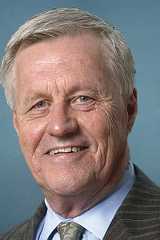
Collin Peterson (Democratic Party) was a member of theU.S. House, representingMinnesota's 7th Congressional District. He assumed office on January 3, 1991. He left office on January 3, 2021.
Peterson (Democratic Party) ran for re-election to theU.S. House to representMinnesota's 7th Congressional District. He lost in the general election onNovember 3, 2020.
He defeated seven-term incumbent U.S. Rep. Arlan Stangeland (R) by 7.1 points in the 1990 general election.
Prior to his election to the U.S. House, Peterson served in theMinnesota State Senate from 1977 to 1987.[1]
As of a 2014 analysis ofmultiple outside rankings, Peterson is a more moderate left of center Democratic Party vote. As a result, he may break with the Democratic Party line more than his fellow members.
Biography
Peterson was born in 1944 in Fargo,North Dakota. He earned his B.A. from Moorhead State University in 1966, also serving in theMinnesota Army National Guard from 1963 to 1969. Prior to his political career, Peterson worked as an accountant.[1]
Career
Below is an abbreviated outline of Peterson's academic, professional, and political career:[1]
- 1991-Present: U.S. Representative fromMinnesota's 7th Congressional District
- 1977-1987:Minnesota State Senate
- 1963-1969:Minnesota National Guard
Committee assignments
U.S. House
2017-2018
At the beginning of the115th Congress, Peterson was assigned to the following committees:[2]
2015-2016
Peterson served on the following committees:[3]
2013-2014
Peterson served on the following committees:[4]
- Agriculture CommitteeRanking Member
2011-2012
Peterson served on the following committees:[5]
- Agriculture CommitteeRanking Member
Key votes
- See also:Key votes
Ballotpedia monitors legislation that receives a vote and highlights the ones that we consider to be key to understanding where elected officials stand on the issues. To read more about how we identify key votes, clickhere.
Key votes: 116th Congress, 2019-2021
The116th United States Congress began on January 9, 2019, and ended on January 3, 2021. At the start of the session, Democrats held the majority in theU.S. House of Representatives (235-200), and Republicans held the majority in theU.S. Senate (53-47).Donald Trump (R) was the president andMike Pence (R) was the vice president. We identified the key votes below usingCongress' top-viewed bills list and through marquee coverage of certain votes on Ballotpedia.
| Key votes: 116th Congress, 2019-2021 | ||||||||
|---|---|---|---|---|---|---|---|---|
| Vote | Bill and description | Status | ||||||
 Yea Yea |
| Passed (365-65) | ||||||
| Yea |
| Passed (208-199) | ||||||
| Yea |
| Passed (234-193) | ||||||
| Yea |
| Passed (419-6) | ||||||
| Not Voting |
| Passed (236-173) | ||||||
 Nay Nay |
| Passed (240-190) | ||||||
| Yea |
| Passed (237-187) | ||||||
| Yea |
| Passed (377-48) | ||||||
| Yea |
| Passed (363-40) | ||||||
| Yea |
| Passed (417-3) | ||||||
| Yea |
| Passed (230-192) | ||||||
| Yea |
| Passed (297-120) | ||||||
| Yea |
| Passed (417-1) | ||||||
| Nay |
| Passed (228-164) | ||||||
| Yea |
| Passed (415-2) | ||||||
| Yea |
| Passed (300 -128) | ||||||
| Yea |
| Passed (363-62) | ||||||
| Yea |
| Passed (335-78) | ||||||
| Yea |
| Passed (322-87) | ||||||
| Yea |
| Passed (411-7) | ||||||
| Nay |
| Guilty (230-197) | ||||||
| Nay |
| Guilty (229-198) | ||||||
Key votes: Previous sessions of Congress
| Key votes |
|---|
Key votes: 115th Congress, 2017-2018
114th Congress The first session of the114th Congress enacted into law six out of the 2,616 introduced bills (0.2 percent). Comparatively, the113th Congress had 1.3 percent of introduced bills enacted into law in the first session. In the second session, the114th Congress enacted 133 out of 3,159 introduced bills (4.2 percent). Comparatively, the113th Congress had 7.0 percent of introduced bills enacted into law in the second session.[66][67] For more information pertaining to Peterson's voting record in the 114th Congress, please see the below sections.[68] Economic and fiscalTrade Act of 2015Trade adjustment assistance Defense spending authorization
2016 Budget proposal
2015 budget
Foreign AffairsIran nuclear deal
Export-Import Bank
DomesticUSA FREEDOM Act of 2015
Pain-Capable Unborn Child Protection Act
Cyber security
Immigration
113th CongressThe second session of the113th Congress enacted into law 224 out of the 3215 introduced bills (7 percent). Comparatively, the112th Congress had 4.2 percent of introduced bills enacted into law in the second session.[109] For more information pertaining to Peterson's voting record in the 113th Congress, please see the below sections.[110] National securityHR 644
NDAA
DHS Appropriations
Keystone Pipeline Amendment
CISPA (2013)
Economy2013 Farm Bill
Peterson recently expressed frustration with House Majority LeaderEric Cantor while at Farmfest in Minnesota. Peterson said Cantor is the main roadblock to get a farm bill passed. He added, "I don't get along with that guy and I don't know what to do about him."[116] Government shutdown
ImmigrationImmigration Executive Order
HealthcareObamacare
Social issuesHouse vote on abortion ban
Previous congressional sessionsFiscal Cliff
|



Issues
American response in Syria
- See also:United States involvement in Syria
More than 100House lawmakers signed a letter urging PresidentBarack Obama to callCongress back into session if he planned to use military force in Syria.[127]
Rep. Scott Rigell wrote in the letter in August 2013, “Engaging our military in Syria when no direct threat to the United States exists and without prior congressional authorization would violate the separation of powers that is clearly delineated in the Constitution.”[127][128]
The members of Congress believed that Obama should have asked Congress for permission before engaging in Libya. The letter asked, “If the use of 221 Tomahawk cruise missles, [sic] 704 Joint Direct Attack Munitions, and 42 Predator Hellfire missiles expended in Libya does not constitute ‘hostilities,’ what does?”[128]
The letter stated, “If you deem that military action in Syria is necessary,Congress can reconvene at your request. We stand ready to come back into session, consider the facts before us, and share the burden of decisions made regarding U.S. involvement in the quickly escalating Syrian conflict."[128]
A total of 98Republicans signed the letter. Peterson was one of 18Democratic members to sign the letter.[128]
Obamacare
Peterson was one of 34 Democrats in the U.S. House to vote against theAffordable Care Act, informally known as "Obamacare," in 2010. Out of these 34 U.S. Representatives, Peterson was one of only four Democratic incumbents who both held their seats and decided to run for re-election in 2014.[129] Although Peterson consistently voted against full repeal of the bill, he sided with Republicans on about half of the healthcare bills voted on since 2011. While he does not support the bill as a whole, he maintains that there are some good aspects, and that a full repeal is not the best option because it "repeals pre-existing conditions, it repeals all the good stuff, kids on their parents’ policies, the Medicare donut hole … by doing that, you’re getting rid of the good stuff."[130] Peterson's challenger in the 2014 general election,Torrey Westrom (R), attacked Peterson for voting against repeal, saying that he "failed the hard working families, farmers and small business owners of rural Minnesota."[130]
Elections
2020
See also: Minnesota's 7th Congressional District election, 2020
Minnesota's 7th Congressional District election, 2020 (August 11 Democratic primary)
Minnesota's 7th Congressional District election, 2020 (August 11 Republican primary)
General election
General election for U.S. House Minnesota District 7
Michelle Fischbach defeated incumbentCollin Peterson,Slater Johnson, andRae Hart Anderson in the general election for U.S. House Minnesota District 7 on November 3, 2020.
Candidate | % | Votes | ||
| ✔ | 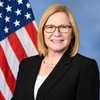 | Michelle Fischbach (R) | 53.4 | 194,066 |
 | Collin Peterson (D) | 39.8 | 144,840 | |
| Slater Johnson (Legal Marijuana Now Party) | 4.9 | 17,710 | ||
| Rae Hart Anderson (Grassroots-Legalize Cannabis Party of Minnesota) | 1.8 | 6,499 | ||
| Other/Write-in votes | 0.1 | 362 | ||

| Incumbents arebolded and underlined. The results have been certified. Source | Total votes: 363,477 | ||
 = candidate completed theBallotpedia Candidate Connection survey. = candidate completed theBallotpedia Candidate Connection survey. | ||||
| If you are a candidate and would like to tell readers and voters more about why they should vote for you,complete the Ballotpedia Candidate Connection Survey. | ||||
Do you want a spreadsheet of this type of data?Contact our sales team. | ||||
Democratic primary election
Democratic primary for U.S. House Minnesota District 7
IncumbentCollin Peterson defeatedAlycia Gruenhagen andStephen Emery in the Democratic primary for U.S. House Minnesota District 7 on August 11, 2020.
Candidate | % | Votes | ||
| ✔ | | Collin Peterson | 75.6 | 26,925 |
 | Alycia Gruenhagen | 16.7 | 5,956 | |
 | Stephen Emery | 7.7 | 2,734 | |
| Incumbents arebolded and underlined. The results have been certified. Source | Total votes: 35,615 (100.00% precincts reporting) | ||
| = candidate completed theBallotpedia Candidate Connection survey. | ||||
| If you are a candidate and would like to tell readers and voters more about why they should vote for you,complete the Ballotpedia Candidate Connection Survey. | ||||
Do you want a spreadsheet of this type of data?Contact our sales team. | ||||
Withdrawn or disqualified candidates
Republican primary election
Republican primary for U.S. House Minnesota District 7
Michelle Fischbach defeatedDave Hughes,Noel Collis,William Louwagie, andJayesun Sherman in the Republican primary for U.S. House Minnesota District 7 on August 11, 2020.
Candidate | % | Votes | ||
| ✔ | | Michelle Fischbach | 58.8 | 26,359 |
 | Dave Hughes | 22.2 | 9,948 | |
| Noel Collis | 15.1 | 6,747 | ||
| William Louwagie | 2.2 | 989 | ||
 | Jayesun Sherman | 1.7 | 757 | |
| There were noincumbents in this race. The results have been certified. Source | Total votes: 44,800 (100.00% precincts reporting) | ||
| = candidate completed theBallotpedia Candidate Connection survey. | ||||
| If you are a candidate and would like to tell readers and voters more about why they should vote for you,complete the Ballotpedia Candidate Connection Survey. | ||||
Do you want a spreadsheet of this type of data?Contact our sales team. | ||||
Withdrawn or disqualified candidates
- Joel Novak (R)
Grassroots-Legalize Cannabis Party of Minnesota primary election
Grassroots-Legalize Cannabis Party of Minnesota primary for U.S. House Minnesota District 7
Rae Hart Anderson defeatedKevin Shores in the Grassroots-Legalize Cannabis Party of Minnesota primary for U.S. House Minnesota District 7 on August 11, 2020.
Candidate | % | Votes | ||
| ✔ | Rae Hart Anderson | 67.4 | 215 | |
| Kevin Shores | 32.6 | 104 | ||
| There were noincumbents in this race. The results have been certified. Source | Total votes: 319 (100.00% precincts reporting) | ||
| = candidate completed theBallotpedia Candidate Connection survey. | ||||
| If you are a candidate and would like to tell readers and voters more about why they should vote for you,complete the Ballotpedia Candidate Connection Survey. | ||||
Do you want a spreadsheet of this type of data?Contact our sales team. | ||||
Legal Marijuana Now Party primary election
Legal Marijuana Now Party primary for U.S. House Minnesota District 7
Slater Johnson advanced from the Legal Marijuana Now Party primary for U.S. House Minnesota District 7 on August 11, 2020.
Candidate | % | Votes | ||
| ✔ | Slater Johnson | 100.0 | 592 | |
| There were noincumbents in this race. The results have been certified. Source | Total votes: 592 (100.00% precincts reporting) | ||
| = candidate completed theBallotpedia Candidate Connection survey. | ||||
| If you are a candidate and would like to tell readers and voters more about why they should vote for you,complete the Ballotpedia Candidate Connection Survey. | ||||
Do you want a spreadsheet of this type of data?Contact our sales team. | ||||
2018
General election
General election for U.S. House Minnesota District 7
IncumbentCollin Peterson defeatedDave Hughes in the general election for U.S. House Minnesota District 7 on November 6, 2018.
Candidate | % | Votes | ||
| ✔ | | Collin Peterson (D) | 52.1 | 146,672 |
| Dave Hughes (R) | 47.8 | 134,668 | |
| Other/Write-in votes | 0.1 | 169 | ||
| Incumbents arebolded and underlined. The results have been certified. Source | Total votes: 281,509 (100.00% precincts reporting) | ||
| = candidate completed theBallotpedia Candidate Connection survey. | ||||
| If you are a candidate and would like to tell readers and voters more about why they should vote for you,complete the Ballotpedia Candidate Connection Survey. | ||||
Do you want a spreadsheet of this type of data?Contact our sales team. | ||||
Democratic primary election
Democratic primary for U.S. House Minnesota District 7
IncumbentCollin Peterson advanced from the Democratic primary for U.S. House Minnesota District 7 on August 14, 2018.
Candidate | % | Votes | ||
| ✔ | | Collin Peterson | 100.0 | 39,990 |
| Incumbents arebolded and underlined. The results have been certified. Source | Total votes: 39,990 | ||
| = candidate completed theBallotpedia Candidate Connection survey. | ||||
| If you are a candidate and would like to tell readers and voters more about why they should vote for you,complete the Ballotpedia Candidate Connection Survey. | ||||
Do you want a spreadsheet of this type of data?Contact our sales team. | ||||
Republican primary election
Republican primary for U.S. House Minnesota District 7
Dave Hughes defeatedMatt Prosch in the Republican primary for U.S. House Minnesota District 7 on August 14, 2018.
Candidate | % | Votes | ||
| ✔ | | Dave Hughes | 72.6 | 30,783 |
| Matt Prosch | 27.4 | 11,616 | ||
| There were noincumbents in this race. The results have been certified. Source | Total votes: 42,399 | ||
| = candidate completed theBallotpedia Candidate Connection survey. | ||||
| If you are a candidate and would like to tell readers and voters more about why they should vote for you,complete the Ballotpedia Candidate Connection Survey. | ||||
Do you want a spreadsheet of this type of data?Contact our sales team. | ||||
Withdrawn or disqualified candidates
- Tim Miller (R)
2016
Heading into the election, Ballotpediarated this race as safely Democratic. IncumbentCollin Peterson (D) defeatedDave Hughes (R) in the general election on November 8, 2016. Hughes defeatedAmanda Lynn Hinson in the Republican primary on August 9, 2016.[131][132]
| Party | Candidate | Vote % | Votes | |
|---|---|---|---|---|
| Democratic |  Collin PetersonIncumbent Collin PetersonIncumbent | 52.5% | 173,589 | |
| Republican | Dave Hughes | 47.4% | 156,952 | |
| N/A | Write-in | 0.1% | 307 | |
| Total Votes | 330,848 | |||
| Source:Minnesota Secretary of State | ||||
| Candidate | Vote % | Votes | ||
|---|---|---|---|---|
| Dave Hughes | 59% | 8,769 | ||
| Amanda Lynn Hinson | 41% | 6,104 | ||
| Total Votes | 14,873 | |||
| Source:Minnesota Secretary of State | ||||
2014
Peterson ran in the2014 election for theU.S. House to representMinnesota's7th District. Peterson ran uncontested for the Democratic nomination in the primary on August 12, 2014.[133] He defeatedTorrey Westrom (R) in the general election on November 4, 2014.
| Party | Candidate | Vote % | Votes | |
|---|---|---|---|---|
| Democratic | Collin PetersonIncumbent | 54.2% | 130,546 | |
| Republican | Torrey Westrom | 45.7% | 109,955 | |
| N/A | Write-in | 0.1% | 334 | |
| Total Votes | 240,835 | |||
| Source:Minnesota Secretary of State | ||||
The National Republican Congressional Committee listed Peterson's seat as one of seven early targets in the 2014 congressional elections.[134] The seven targets aligned perfectly with the seven most Republican districts then held by Democrats, according to FairVote's partisanship index. Peterson's district ranked as the 5th most Republican (45% D).[135]
Peterson was being targeted in a series of ads by the National Republican Congressional Committee calling on Minnesota voters to vote out the Blue Dog Democrat in 2014. The ad alleged Peterson was a career politician and to blame for "the crippling gridlock and dysfunction in Washington," according to NRCC spokeswoman Alleigh Marre.[136] He was also targeted in ads run by the American Future Fund. The ad buy totaled nearly $100,000 and ran in December 2013.[137]
On November 21, 2013, a fundraising breakfast was held to benefit Peterson's 2014 campaign. The breakfast featured House membersNancy Pelosi,George Miller,Sander Levin andSteve Israel, among others.[138]
2012
Peterson won re-election in 2012.[139] He ran unopposed in the Democratic primary, and he defeated RepublicanLee Byberg and independent candidateAdam Steele in the November general election.[140]
| Party | Candidate | Vote % | Votes | |
|---|---|---|---|---|
| Democratic | Collin PetersonIncumbent | 60.4% | 197,791 | |
| Republican | Lee Byberg | 34.8% | 114,151 | |
| Independence | Adam Steele | 4.7% | 15,298 | |
| NA | Write-in | 0.1% | 336 | |
| Total Votes | 327,576 | |||
| Source:Minnesota Secretary of State, "Official Election Results, 2012 General Election"(dead link) | ||||
Endorsements
Peterson was endorsed by the organizations below for the 2012 election.[141]
- Education Minnesota
- American Federation of Teachers
- National Education Association
- Minnesota Police and Peace Officers Association
- Minnesota Farmers Union PAC
- Minnesota State Building and Construction Trades Council
- National Rifle Association
- Minnesota Farm Bureau Federation Political Action Committee
Full history
To view the full congressional electoral history for Collin Peterson, click [show] to expand the section. | ||||||||||||||||||||||||||||||||||||||||||||||||||||||||||||||||||||||||||||||||||||||||||||||||||||||||||||||||||||||||||||||||||||||||||||||||||||||||||||||||||||||||||||||||||||||||||||||||||||||||||||||||||||||||||||||||||||||||||||||||||||||||||||||||||||||||||||||||||||||||||||||||||||||||||||||||||||||||||||||||||||||||||||||||||||||||||
|---|---|---|---|---|---|---|---|---|---|---|---|---|---|---|---|---|---|---|---|---|---|---|---|---|---|---|---|---|---|---|---|---|---|---|---|---|---|---|---|---|---|---|---|---|---|---|---|---|---|---|---|---|---|---|---|---|---|---|---|---|---|---|---|---|---|---|---|---|---|---|---|---|---|---|---|---|---|---|---|---|---|---|---|---|---|---|---|---|---|---|---|---|---|---|---|---|---|---|---|---|---|---|---|---|---|---|---|---|---|---|---|---|---|---|---|---|---|---|---|---|---|---|---|---|---|---|---|---|---|---|---|---|---|---|---|---|---|---|---|---|---|---|---|---|---|---|---|---|---|---|---|---|---|---|---|---|---|---|---|---|---|---|---|---|---|---|---|---|---|---|---|---|---|---|---|---|---|---|---|---|---|---|---|---|---|---|---|---|---|---|---|---|---|---|---|---|---|---|---|---|---|---|---|---|---|---|---|---|---|---|---|---|---|---|---|---|---|---|---|---|---|---|---|---|---|---|---|---|---|---|---|---|---|---|---|---|---|---|---|---|---|---|---|---|---|---|---|---|---|---|---|---|---|---|---|---|---|---|---|---|---|---|---|---|---|---|---|---|---|---|---|---|---|---|---|---|---|---|---|---|---|---|---|---|---|---|---|---|---|---|---|---|---|---|---|---|---|---|---|---|---|---|---|---|---|---|---|---|---|---|---|---|---|---|---|---|---|---|---|---|---|---|---|---|---|---|---|---|---|---|---|---|---|---|---|---|---|---|---|---|---|---|---|---|---|---|
2010 On November 2, 2010, Collin Peterson (D) won re-election to theUnited States House. He defeated Lee Byberg (R), Gene Waldorf (I) and Glen Menze (Independence) in the general election.[142]
2008 On November 4, 2008, Collin Peterson (D) won re-election to theUnited States House. He defeated Glen Menze (R) in the general election.[143]
2006 On November 7, 2006, Collin Peterson (D) won re-election to theUnited States House. He defeated Michael Barrett (R) and Ken Lucier (T) in the general election.[144]
2004 On November 2, 2004, Collin Peterson (D) won re-election to theUnited States House. He defeated David Sturrock (R) in the general election.[145]
2002 On November 5, 2002, Collin Peterson (D) won re-election to theUnited States House. He defeated Dan Stevens (R) in the general election.[146]
2000 On November 7, 2000, Collin Peterson (D) won re-election to theUnited States House. He defeated Glen Menze (R) and Owen Sivertson (I) in the general election.[147]
1998 On November 3, 1998, Collin Peterson won re-election to theUnited States House. He defeated Aleta Edin (R) in the general election.[148]
1996 On November 5, 1996, Collin Peterson won re-election to theUnited States House. He defeated Darrell McKigney (R) in the general election.[149]
1994 On November 8, 1994, Collin Peterson won re-election to theUnited States House. He defeated Bernie Omann (R) in the general election.[150]
1992 On November 3, 1992, Collin Peterson won re-election to theUnited States House. He defeated Bernie Omann (R) in the general election.[151]
1990 On November 6, 1990, Collin Peterson won election to theUnited States House. He defeated David Sturrock (R) in the general election.[152]
| ||||||||||||||||||||||||||||||||||||||||||||||||||||||||||||||||||||||||||||||||||||||||||||||||||||||||||||||||||||||||||||||||||||||||||||||||||||||||||||||||||||||||||||||||||||||||||||||||||||||||||||||||||||||||||||||||||||||||||||||||||||||||||||||||||||||||||||||||||||||||||||||||||||||||||||||||||||||||||||||||||||||||||||||||||||||||||
Campaign themes
2020
Ballotpedia survey responses
See also:Ballotpedia's Candidate Connection
Collin Peterson did not completeBallotpedia's 2020 Candidate Connection survey.
Campaign website
Peterson’s campaign website stated the following:
| “ | Veterans Agriculture Education Health Care Broadband Hunting and Fishing Economic Development | ” |
| —Collin Peterson’s campaign website (2020)[154] | ||
2016
The following issues were listed on Peterson's campaign website. For a full list of campaign themes,click here.
| “ |
| ” |
| —Collin Peterson's campaign website,http://www.petersonforcongress.com/ | ||
2012
The following issues were highlighted on Peterson's campaign website:[155]
- Veterans
Excerpt: "I have worked to secure the biggest increase in veterans’ benefits in our nation’s history. I’ve also worked with communities across the 7th District to build Veterans Homes and Veterans Clinics so that veterans and their families don’t have to drive for hours just to get the health care services they need."[155]
- Agriculture
Excerpt: "As Chairman of the U.S. House Agriculture Committee, I put together a coalition to pass a 2008 Farm Bill that offered a strong safety net for farmers."[155]
- Education
Excerpt: "I’ve worked to expand educational opportunities in Minnesota by working to secure more funding for Pell Grants and land grant colleges, securing funding for nursing programs at Bemidji State University, securing funding for research programs at the University of Minnesota Morris, and securing funding for the Center for Rural Entrepreneurial Studies at the University of Minnesota Crookston."[155]
- Healthcare
Excerpt: "Health care reform is an important goal for our country, and I have always supported reform that will bring down the cost of health care without increasing our country’s growing debt. Now that President Obama has signed the landmark health care reform bill, I will work hard to make sure that the bill is implemented fairly."[155]
- Wall Street Reform
Excerpt: "In the 2010 Congress I was deeply involved in writing the Peterson-Frank Financial Regulatory Reform bill that passed the House. The bill would prevent the kind of excessive speculation on Wall Street that caused the world-wide financial system meltdown at the end of 2008 and led to taxpayer-funded bailouts and the ongoing recession."[155]
- Immigration
Excerpt: "I oppose amnesty for illegal aliens. In Congress, I voted for the “get tough” immigration bill to secure our borders, increase the number of security personnel, and build an extended border fence along our southern border. We need to give law enforcement officials more resources to capture and deport people who are in this country illegally."[155]
Campaign finance summary
 Note: The finance data shown here comes from the disclosures required of candidates and parties. Depending on the election or state, this may represent only a portion of all the funds spent on their behalf.Satellite spending groups may or may not have expended funds related to the candidate or politician on whose page you are reading this disclaimer. Campaign finance data from elections may be incomplete. For elections to federal offices, complete data can be found at theFEC website. Clickhere for more on federal campaign finance law andhere for more on state campaign finance law.
| Year | Office | Status | Contributions | Expenditures |
|---|---|---|---|---|
| 2020 | U.S. House Minnesota District 7 | Lost general | $2,734,419 | $2,887,984 |
| 2018 | U.S. House Minnesota District 7 | Won general | $1,431,201 | $1,502,559 |
| 2016 | U.S. House, Minnesota District 7 | Won | $1,192,730 | N/A** |
| 2014 | U.S. House (Minnesota, District 7) | Won | $1,585,615 | N/A** |
| 2012 | U.S. House Minnesota District 7 | Won | $1,129,343 | N/A** |
| 2010 | U.S. House Minnesota District 7 | Won | $1,174,500 | N/A** |
| 2008 | U.S. House Minnesota District 7 | Won | $1,218,264 | N/A** |
| 2006 | U.S. House Minnesota District 7 | Won | $938,128 | N/A** |
| 2004 | U.S. House Minnesota District 7 | Won | $422,906 | N/A** |
| 2002 | U.S. House Minnesota District 7 | Won | $417,249 | N/A** |
| 2000 | U.S. House Minnesota District 7 | Won | $337,941 | N/A** |
| ** Data on expenditures is not available for this election cycle | ||||
| Note: Totals above reflect only available data. | ||||
Personal Gain Index

- See also:Personal Gain Index (U.S. Congress)
- See also:Personal Gain Index (U.S. Congress)
ThePersonal Gain Index (U.S. Congress) is a two-part measurement that illustrates the extent to which members of theU.S. Congress have prospered during their tenure as public servants.
It consists of two different metrics:
PGI: Change in net worth

Based oncongressional financial disclosure forms and calculations made available byOpenSecrets.org, Peterson's net worth as of 2012 was estimated between $544,020 and $2,659,997. That averages to$1,602,008.50, which is lower than the average net worth of Democratic representatives in 2012 of $5,700,168.36. Peterson ranked as the 170th most wealthy representative in 2012.[156] Between 2004 and 2012, Peterson's calculated net worth[157] increased by an average of 78 percent per year. Between 2004 and 2012, the average annual percentage increase for a member of Congress was 15.4 percent.[158]
| Collin C. Peterson Yearly Net Worth | |
|---|---|
| Year | Average Net Worth |
| 2004 | $221,816 |
| 2012 | $1,602,008 |
| Growth from 2004 to 2012: | 622% |
| Average annual growth: | 78%[159] |
| Comparatively, theAmerican citizen experienced a median yearlydecline in net worth of-0.94%.[160] | |
The data used to calculate changes in net worth may include changes resulting from assets gained through marriage, inheritance, changes in family estates and/or trusts, changes in family business ownership, and many other variables unrelated to a member's behavior in Congress.
PGI: Donation Concentration Metric
Filings required by theFederal Election Commission report on the industries that give to each candidate. Using campaign filings and information calculated byOpenSecrets.org, Ballotpedia calculated the percentage of donations by industry received by each incumbent over the course of his or her career (or 1989 and later, if elected prior to 1988). In the113th Congress, Peterson is the ranking member of theUnited States House of Representatives Committee on Agriculture. Peterson received the most donations from individuals and PACs employed by theCrop Production & Basic Processing industry.
From 1989-2014,33.79 percent of Peterson's career contributions came from the top five industries as listed below.[161]

| Collin Peterson Campaign Contributions | |
|---|---|
| Total Raised | $9,113,228 |
| Total Spent | $8,403,239 |
| Ranking member of theUnited States House of Representatives Committee on Agriculture | |
| Top five industries that contributed to campaign committee | |
| Crop Production & Basic Processing | $1,224,365 |
| Agricultural Services/Products | $761,664 |
| Public Sector Unions | $384,985 |
| Dairy | $372,823 |
| Accountants | $335,673 |
| % total in top industry | 13.44% |
| % total in top two industries | 21.79% |
| % total in top five industries | 33.79% |
Analysis
Ideology and leadership
Based on an analysis of bill sponsorship byGovTrack, Peterson was acentrist Democrat as of July 2014.[162] This was the same rating Peterson received in June 2013.
Like-minded colleagues
The websiteOpenCongress tracks the voting records of each member to determine with whom he or she votes most and least often. The results include a member from each party.[163]
Peterson most often votes with: | Peterson least often votes with: |


Lifetime voting record
According to the websiteGovTrack, Peterson missed 293 of 16,115 roll call votes from January 1991 to September 2015. This amounted to 1.8 percent, which was lower than the median of 2.2 percent among representatives as of September 2015.[162]
Congressional Staff Salaries
The websiteLegistorm compiles staff salary information for members of Congress. Peterson paid his congressional staff a total of $1,084,875 in 2011. Overall,Minnesota ranked 26th in average salary for representative staff. The averageU.S. House of Representatives congressional staff was paid $954,912.20 in fiscal year 2011.[164]
National Journal vote ratings
- See also:National Journal vote ratings
Each yearNational Journal publishes an analysis of how liberally or conservatively each member of Congress voted in the previous year. Click the link above for the full ratings of all members of Congress.
2013
Peterson ranked 191st in the liberal rankings in 2013.[165]
2012
Peterson ranked 183rd in the liberal rankings in 2012.[166]
2011
Peterson ranked 183rd in the liberal rankings in 2011.[167]
Voting with party
The websiteOpenCongress tracks how often members of Congress vote with the majority of the chamber caucus.
2014
Peterson voted with the Democratic Party74.1 percent of the time, which ranked 193rd among the 204 House Democratic members as of July 2014.[168]
2013
Peterson voted with the Democratic Party80.4 percent of the time, which ranked 196th among the 201 House Democratic members as of June 2013.[169]
Notable endorsements
This section displays endorsements this individual made in elections within Ballotpedia'scoverage scope.
| Endorsee | Election | Stage | Outcome |
|---|---|---|---|
| Joe Biden source (D, Working Families Party) | President of the United States (2020) | Primary | Won General |
| Amy Klobuchar source | President of the United States (2020) | Withdrew in Convention |
2016 Democratic National Convention
- Delegate to the 2016 DNC (click to expand)
- See also:Democratic National Convention, 2016
Collin Peterson Democratic National Convention, 2016 Status: Superdelegate State: Minnesota Supporting: Bernie Sanders Delegates to the DNC 2016 Calendar and delegate rules overview •Types of delegates •State election law and delegates •Superdelegates by state Peterson wasa superdelegate to the2016 Democratic National Convention fromMinnesota.[170] Peterson was one of 16 superdelegates from Minnesota. Superdelegates to the 2016 Democratic National Convention were not bound by the results of their state’s primary or caucus results to support a specific presidential candidate. Peterson’s name was included on a list of superdelegates supportingBernie Sanders released by Sanders' campaign in April 2016.[171] Leading up to the 2016 Democratic National Convention, Sanders had approximately1,832 pledged delegates and 47 superdelegates for a total of 1,879 delegates. The winner of the Democratic nomination needed the support of 2,383 delegates at thenational convention.[172]
What is a superdelegate?
Superdelegates in 2016 were automatic delegates to the Democratic National Convention, meaning that, unlike regular delegates, they were not elected to this position. Also unlike regular delegates, they were not required to pledge their support to any presidential candidate, and they were not bound by the results of their state's presidential primary election or caucus. In 2016, superdelegates included members of the Democratic National Committee, Democratic members of Congress, Democratic governors, and distinguished party leaders, including former presidents and vice presidents. All superdelegates were free to support any presidential candidate of their choosing at the 2016 Democratic National Convention.[173]
Minnesota caucus results
Bernie Sanders won the 2016 Minnesota Democratic caucuses.[174] With 86 percent of precincts reporting, Sanders won every congressional district. Although polls leading up to the caucuses favoredHillary Clinton, she was unable to secure a win in the state, repeating her loss in 2008 toBarack Obama.[175]Minnesota Democratic Caucus, 2016 Candidate Vote % Votes Delegates Hillary Clinton 38.1% 78,317 31 Bernie Sanders61.2% 125,635 46 Martin O'Malley 0.1% 153 0 Roque De La Fuente 0% 53 0 Other 0.1% 213 0 Uncommitted 0.5% 1,067 0 Totals 205,438 77 Source:Minnesota Secretary of State andCNN Delegate allocation

Minnesota had 93 delegates at the 2016 Democratic National Convention. Of this total, 77 werepledged delegates. National party rules stipulated how Democratic delegates in all states were allocated. Pledged delegates were allocated to a candidate in proportion to the votes he or she received in a state's primary or caucus. A candidate was eligible to receive a share of the state'spledged delegates if he or she won at least 15 percent of the votes cast in the primary or caucus. There were three types of pledged Democratic delegates: congressional district delegates, at-large delegates, and party leaders and elected officials (PLEOs). Congressional district delegates were allocated proportionally based on the primary or caucus results in a given district. At-large and PLEO delegates were allocated proportionally based on statewide caucus results.[176][177]
Sixteen party leaders and elected officials served asunpledged delegates. These delegates were not required to adhere to the results of a state's primary or caucus.[176][178]
Personal
Note: Pleasecontact us if the personal information below requires an update.
Peterson lives in Detroit Lakes,Minnesota.[179]
Recent news
This section links to a Google news search for the termCollin + Peterson + Minnesota + House
See also
2020 Elections


External links
- Search Google News for this topic
- Colin Peterson Office Site
- Official Campaign Website
- Facebook profile
- Biographies:
- Political profiles:
- Financial (federal level):
- Interest group ratings:
- Issue positions:
- Public statements:
- Voting record:
- Media appearances:
- Media coverage:
Footnotes
- ↑1.01.11.2Biographical Guide to Members of Congress, "Collin Peterson," accessed December 11, 2011
- ↑U.S. House Clerk, "Official Alphabetical List of the House of Representatives of the United States One Hundred Fifteenth Congress," accessed February 2, 2017
- ↑U.S. House of Representatives, Office of the Clerk, "Committee Information," accessed February 18, 2015
- ↑CQ.com, "House Committee Rosters for the 113th Congress," accessed January 22, 2013
- ↑U.S. Congress House Clerk, "House of Representatives Committee Assignments," accessed December 11, 2011
- ↑Congress.gov, "H.R.1044 - Fairness for High-Skilled Immigrants Act of 2020," accessed March 22, 2024
- ↑Congress.gov, "H.R.6800 - The Heroes Act," accessed April 23, 2024
- ↑Congress.gov, "H.R.1 - For the People Act of 2019," accessed April 23, 2024
- ↑Congress.gov, "H.R.748 - CARES Act," accessed April 23, 2024
- ↑Congress.gov, "H.R.5 - Equality Act," accessed April 23, 2024
- ↑Congress.gov, "H.R.8 - Bipartisan Background Checks Act of 2019," accessed April 23, 2024
- ↑Congress.gov, "H.R.6 - American Dream and Promise Act of 2019," accessed April 27, 2024
- ↑Congress.gov, "S.1790 - National Defense Authorization Act for Fiscal Year 2020," accessed April 27, 2024
- ↑Congress.gov, "H.R.6201 - Families First Coronavirus Response Act," accessed April 24, 2024
- ↑Congress.gov, "H.R.1994 - Setting Every Community Up for Retirement Enhancement Act of 2019," accessed April 27, 2024
- ↑Congress.gov, "H.R.3 - Elijah E. Cummings Lower Drug Costs Now Act," accessed March 22, 2024
- ↑Congress.gov, "H.R.1865 - Further Consolidated Appropriations Act, 2020," accessed April 27, 2024
- ↑Congress.gov, "S.1838 - Hong Kong Human Rights and Democracy Act of 2019," accessed April 27, 2024
- ↑Congress.gov, "H.R.3884 - MORE Act of 2020," accessed April 27, 2024
- ↑Congress.gov, "H.R.6074 - Coronavirus Preparedness and Response Supplemental Appropriations Act, 2020," accessed April 27, 2024
- ↑Congress.gov, "H.J.Res.31 - Consolidated Appropriations Act, 2019," accessed April 27, 2024
- ↑Congress.gov, "S.47 - John D. Dingell, Jr. Conservation, Management, and Recreation Act," accessed April 27, 2024
- ↑Congress.gov, "H.R.6395 - William M. (Mac) Thornberry National Defense Authorization Act for Fiscal Year 2021," accessed April 27, 2024
- ↑Congress.gov, "H.R.6395 - William M. (Mac) Thornberry National Defense Authorization Act for Fiscal Year 2021," accessed April 27, 2024
- ↑Congress.gov, "S.24 - Government Employee Fair Treatment Act of 2019," accessed April 27, 2024
- ↑Congress.gov, "H.Res.755 - Impeaching Donald John Trump, President of the United States, for high crimes and misdemeanors," accessed April 27, 2024
- ↑Congress.gov, "H.Res.755 - Impeaching Donald John Trump, President of the United States, for high crimes and misdemeanors," accessed April 27, 2024
- ↑Clerk.House.gov, "Final Vote Results for Roll Call 434," accessed December 13, 2018
- ↑Clerk.House.gov, "Final Vote Results For Roll Call 284," June 21, 2018
- ↑Clerk.House.gov, "Final Vote Results For Roll Call 282," June 21, 2018
- ↑Clerk.House.gov, "Final Vote Results for Roll Call 434," accessed March 12, 2019
- ↑Clerk.House.gov, "Final Vote Results For Roll Call 549," October 3, 2017
- ↑Clerk.House.gov, "Final Vote Results For Roll Call 344," June 29, 2017
- ↑Clerk.House.gov, "Final Vote Results For Roll Call 342," June 29, 2017
- ↑Clerk.House.gov, "Final Vote Results For Roll Call 256," May 4, 2017
- ↑Clerk.House.gov, "Final Vote Results For Roll Call 405," September 26, 2018
- ↑Clerk.House.gov, "Final Vote Results For Roll Call 399," September 13, 2018
- ↑Clerk.House.gov, "Final Vote Results For Roll Call 313," June 28, 2018
- ↑Clerk.House.gov, "Final Vote Results For Roll Call 257," June 8, 2018
- ↑Clerk.House.gov, "Final Vote Results For Roll Call 216," May 22, 2018
- ↑Clerk.House.gov, "Final Vote Results For Roll Call 127," March 22, 2018
- ↑Clerk.House.gov, "Final Vote Results For Roll Call 69," February 9, 2018
- ↑Clerk.House.gov, "Final Vote Results For Roll Call 60," February 6, 2018
- ↑Clerk.House.gov, "Final Vote Results For Roll Call 44," January 22, 2018
- ↑Clerk.House.gov, "Final Vote Results For Roll Call 33," January 18, 2018
- ↑Clerk.House.gov, "Final Vote Results For Roll Call 708," December 21, 2017
- ↑Clerk.House.gov, "Final Vote Results For Roll Call 692," December 19, 2017
- ↑Clerk.House.gov, "Final Vote Results For Roll Call 670," December 7, 2017
- ↑Clerk.House.gov, "Final Vote Results For Roll Call 637," November 16, 2017
- ↑Clerk.House.gov, "Final Vote Results For Roll Call 589," October 26, 2017
- ↑Clerk.House.gov, "Final Vote Results For Roll Call 557," October 5, 2017
- ↑Clerk.House.gov, "Final Vote Results For Roll Call 528," September 14, 2017
- ↑Clerk.House.gov, "Final Vote Results For Roll Call 480," September 8, 2017
- ↑Clerk.House.gov, "Final Vote Results For Roll Call 441," September 6, 2017
- ↑Clerk.House.gov, "Final Vote Results For Roll Call 299," June 8, 2017
- ↑Clerk.House.gov, "Final Vote Results For Roll Call 249," May 3, 2017
- ↑Clerk.House.gov, "Final Vote Results For Roll Call 230," May 24, 2018
- ↑Clerk.House.gov, "Final Vote Results For Roll Call 49," January 30, 2018
- ↑Clerk.House.gov, "Final Vote Results For Roll Call 631," November 14, 2017
- ↑Clerk.House.gov, "Final Vote Results For Roll Call 435," July 27, 2017
- ↑Clerk.House.gov, "Final Vote Results For Roll Call 413," July 25, 2017
- ↑Clerk.House.gov, "Final Vote Results For Roll Call 437," July 28, 2017
- ↑Clerk.House.gov, "Final Vote Results For Roll Call 407," July 24, 2017
- ↑Clerk.House.gov, "Final Vote Results For Roll Call 378," July 14, 2017
- ↑Clerk.House.gov, "Final Vote Results for Roll Call 136," March 8, 2017
- ↑Congressional Record, "Resume of Congressional Activity, First Session of the 113th Congress," accessed April 29, 2015
- ↑Congressional Record, "Resume of Congressional Activity, Second Session of the 114th Congress," accessed January 5, 2017
- ↑Congressional Record, "Resume of Congressional Activity, First Session of the One Hundred Fourteenth Congress," April 13, 2015
- ↑Clerk.House.gov, "Final Vote Results for Roll Call 361," June 12, 2015
- ↑Roll Call, "Deadline for TAA Do-Over Vote Extended to July 30 (Updated)," June 15, 2015
- ↑Clerk.House.gov, "Final Vote Results for Roll Call 362," June 12, 2015
- ↑Roll Call, "Deadline for TAA Do-Over Vote Extended to July 30 (Updated)," June 15, 2015
- ↑Clerk.House.gov, "Final Vote Results for Roll Call 374," June 18, 2015
- ↑Politico, "Trade turnaround: House backs new power for Obama," June 18, 2015
- ↑Clerk.House.gov, "Final Vote Results for Roll Call 388," June 24, 2015
- ↑The Hill, "Obama signs trade bills," June 29, 2015
- ↑Clerk.House.gov, "Final Vote Results for Roll Call 239," accessed May 27, 2015
- ↑Congress.gov, "H.R. 1735," accessed May 27, 2015
- ↑The Hill, "Redone defense policy bill sails through House," accessed November 12, 2015
- ↑Congress.gov, "S. 1356," accessed November 12, 2015
- ↑Clerk.House.gov, "Final Vote Results for Roll Call 618," accessed November 12, 2015
- ↑Senate.gov, "On the Motion (Motion to Concur in the House Amendment to S. 1356)," accessed November 12, 2015
- ↑Congress.gov, "S.Con.Res.11," accessed May 5, 2015
- ↑Clerk.House.gov, "Final Vote Results for Roll Call 183," accessed May 5, 2015
- ↑The Hill, "Republicans pass a budget, flexing power of majority," accessed May 5, 2015
- ↑Congress.gov, "HR 1314 - Bipartisan Budget Act of 2015," accessed November 1, 2015
- ↑Clerk.House.gov, "Final Vote Results for Roll Call 579," accessed November 1, 2015
- ↑Senate.gov, "On the Motion (Motion to Concur in the House Amendment to the Senate Amendment to H.R. 1314)," accessed November 1, 2015
- ↑Congress.gov, "H.R.1191 - Iran Nuclear Agreement Review Act of 2015," accessed May 16, 2015
- ↑Clerk.House.gov, "Final Vote Results for Roll Call 226," accessed May 16, 2015
- ↑Congress.gov, "HR 3461," accessed September 11, 2015
- ↑Clerk.House.gov, "Final Vote Results for Roll Call 493," accessed September 11, 2015
- ↑Congress.gov, "HR 3460," accessed September 10, 2015
- ↑Clerk.House.gov, "Final Vote Results for Roll Call 494," accessed September 11, 2015
- ↑Congress.gov, "H Res 411," accessed September 10, 2015
- ↑Clerk.House.gov, "Final Vote Results for Roll Call 492," accessed September 10, 2015
- ↑Congress.gov, "HR 597," accessed November 2, 2015
- ↑Clerk.House.gov, "Final Vote Results for Roll Call 576," accessed November 2, 2015
- ↑Congress.gov, "H.R.2048," accessed May 26, 2015
- ↑Clerk.House.gov, "Final Vote Results for Roll Call 224," accessed May 26, 2015
- ↑Congress.gov, "HR 36 - the Pain-Capable Unborn Child Protection Act," accessed May 16, 2015
- ↑Clerk.House.gov, "HR 36," accessed May 16, 2015
- ↑Congress.gov, "HR 1731," accessed November 2, 2015
- ↑Clerk.House.gov, "Final Vote Results for Roll Call 173," accessed November 2, 2015
- ↑Congress.gov, "HR 1560 - Protecting Cyber Networks Act," accessed November 1, 2015
- ↑Clerk.House.gov, "Final Vote Results for Roll Call 170," accessed November 1, 2015
- ↑Congress.gov, "HR 4038 - the American SAFE Act of 2015," accessed November 20, 2015
- ↑Clerk.House.gov, "Final Vote Results for Roll Call 643," accessed November 20, 2015
- ↑Congressional Record, "Resume of Congressional Activity, First Session of the 112th Congress," accessed September 5, 2013
- ↑Congressional Record, "Resume of Congressional Activity, Second Session of the 113th Congress," accessed March 4, 2014
- ↑111.0111.1The Hill, "House votes to condemn administration over Taliban prisoner swap," September 9, 2014
- ↑112.0112.1112.2U.S. House, "Roll Call Vote 485," accessed September 10, 2014
- ↑113.0113.1113.2113.3Project Vote Smart, "Representative Collin Peterson's Voting Records on National Security," accessed September 26, 2013
- ↑The Library of Congress, "Bill Summary & Status - 113th Congress (2013 - 2014) - H.R.624," accessed August 27, 2013
- ↑115.0115.1115.2115.3OpenSecrets, "Agribusiness and the Farm Bill: Wayward Dems Benefit from Contributions," accessed July 19, 2013
- ↑Minnesota Public Radio, "Walz and Peterson on the farm bill, and more," accessed August 20, 2013
- ↑117.0117.1Clerk of the U.S. House, "Final vote results for Roll Call 504," accessed October 31, 2013
- ↑Buzzfeed, "Government Shutdown: How We Got Here," accessed October 1, 2013
- ↑The Washington Post, "Reid, McConnell propose bipartisan Senate bill to end shutdown, extend borrowing," accessed October 16, 2013
- ↑U.S. House, "Final vote results for Roll Call 550," accessed October 31, 2013
- ↑121.0121.1Project Vote Smart, "Peterson on the issues," accessed September 12, 2013
- ↑THOMAS (Library of Congress), "H.R. 1797," accessed June 23, 2013
- ↑CNN, "House passes late term abortion ban," accessed June 20, 2013
- ↑U.S. House, "June 18 Roll Call Vote," accessed June 20, 2013
- ↑Politico, "House OKs 20-week abortion ban bill," accessed June 20, 2013
- ↑U.S. House, "Roll Call Vote on the Fiscal Cliff," accessed January 4, 2013
- ↑127.0127.1Yahoo, "65 Lawmakers Ask Obama to Consult on Syria," accessed August 28, 2013
- ↑128.0128.1128.2128.3Politico, "33 lawmakers: Congress must approve Syria action," accessed August 28, 2013
- ↑Politico, "Only 4 anti-Obamacare House Dems left for fall elections," accessed August 25, 2014
- ↑130.0130.1MinnPost, "Peterson's Obamacare voting record: no more 'ammunition' for GOP," accessed August 25, 2014
- ↑Minnesota Secretary of State, "Candidate Filings," accessed June 1, 2016
- ↑Politico, "Minnesota House Primaries Results," August 9, 2016
- ↑Associated Press, "Minnesota - 2014 Primary Results," accessed August 12, 2014
- ↑The Hill, "NRCC, promising to 'stay on offense,' targets seven Dems," accessed January 16, 2013
- ↑FairVote, "NRCC Targets Foreshadow Power of Partisanship in 2014 Elections," accessed January 18, 2013
- ↑Grand Forks Herald, "GOP targets Peterson in Minnesota’s 7th District," accessed August 19, 2013(dead link)
- ↑Roll Call, "Peterson Targeted in New Ad From Outside Group," accessed December 16, 2013
- ↑Roll Call, "Top Democratic Leadership to Fundraise for Peterson," accessed November 20, 2013
- ↑National Journal, "The Retirement Season," accessed February 11, 2012
- ↑New York Times, "Election 2012, Minnesota," accessed November 15, 2015
- ↑Collin Peterson for Congress, "Endorsements," accessed Februray 11, 2012
- ↑U.S. Congress House Clerk, "Statistics of the Congressional Election of November 2, 2010," accessed March 28, 2013
- ↑U.S. Congress House Clerk, "Statistics of the Congressional Election of November 4, 2008," accessed March 28, 2013
- ↑U.S. Congress House Clerk, "Statistics of the Congressional Election of November 7, 2006," accessed March 28, 2013
- ↑U.S. Congress House Clerk, "Statistics of the Congressional Election of November 2, 2004," accessed March 28, 2013
- ↑U.S. Congress House Clerk, "Statistics of the Congressional Election of November 5, 2002," accessed March 28, 2013
- ↑U.S. Congress House Clerk, "Statistics of the Congressional Election of November 7, 2000," accessed March 28, 2013
- ↑U.S. Congress House Clerk, "Statistics of the Congressional Election of November 3, 1998," accessed March 28, 2013
- ↑U.S. Congress House Clerk, "Statistics of the Congressional Election of November 5, 1996," accessed March 28, 2013
- ↑U.S. Congress House Clerk, "Statistics of the Congressional Election of November 8, 1994," accessed March 28, 2013
- ↑U.S. Congress House Clerk, "Statistics of the Congressional Election of November 3, 1992," accessed March 28, 2013
- ↑U.S. Congress House Clerk, "Statistics of the Congressional Election of November 6, 1990," accessed March 28, 2013
- ↑153.0153.1Note: This text is quoted verbatim from the original source. Any inconsistencies are attributable to the original source.
- ↑Collin Peterson’s campaign website, “Issues,” accessed September 7, 2020
- ↑155.0155.1155.2155.3155.4155.5155.6Collin Peterson for Congress, "Issues"
- ↑OpenSecrets, "Collin C. Peterson (D-MN), 2012," accessed February 18, 2014
- ↑This figure represents the average annual percentage growth from either 2004 (if the member entered office in 2004 or earlier) or their first year in office (as noted in the chart below) to 2012, divided by the number of years calculated.
- ↑This number was found by dividing each member's total net worth growth percentage by the number of years included in the calculation.
- ↑This figure represents the total percentage growth divided by the number of years for which there are net worth figures for each member.
- ↑This figure was calculated using median asset data from the Census Bureau. Please see theCongressional Net Worth data for Ballotpedia spreadsheet for more information on this calculation.
- ↑OpenSecrets.org, "Rep. Collin Peterson," accessed September 23, 2014
- ↑162.0162.1GovTrack, "Collin Peterson," accessed July 29, 2014
- ↑OpenCongress, "Collin Peterson," accessed July 29, 2014
- ↑LegiStorm, "Collin Peterson," accessed October 8, 2012
- ↑National Journal, "2013 Congressional Vote Ratings," accessed July 29, 2014
- ↑National Journal, "TABLE: House Liberal Scores by Issue Area," accessed February 26, 2013
- ↑National Journal, "Searchable Vote Ratings Tables: House," accessed February 23, 2012
- ↑OpenCongress, "Voting With Party," accessed July 2014
- ↑OpenCongress, "Voting With Party," accessed July 2014
- ↑Ballotpedia's list of superdelegates to the 2016 Democratic National Convention is based on our own research and lists provided by the Democratic National Committee to Vox.com inFebruary 2016 andMay 2016. If you think we made an error in identifying superdelegates, please send an email toeditor@ballotpedia.org.
- ↑BernieSanders.com, "Publicly Committed Superdelegates," accessed May 13, 2016
- ↑To find out which candidate a superdelegate supported, Ballotpedia sought out public statements from the superdelegate in other media outlets and on social media. If we were unable to find a public statement that clearly articulated which candidate the superdelegate supported at the national convention, we listed that superdelegate as "unknown." If you believe we made an error in identifying which candidate a superdelegate supported, please email us ateditor@ballotpedia.org.
- ↑Congressional Research Service, "The Presidential Nominating Process and the National Party Conventions, 2016: Frequently Asked Questions," December 30, 2015
- ↑Politico, " Minnesota Presidential Caucuses Results," March 1, 2016
- ↑The New York Times, "Minnesota Caucus Results," accessed March 2, 2016
- ↑176.0176.1Democratic National Committee, "2016 Democratic National Convention Delegate/Alternate Allocation," updated February 19, 2016
- ↑The Green Papers, "2016 Democratic Convention," accessed May 7, 2021
- ↑Democratic National Committee's Office of Party Affairs and Delegate Selection, "Unpledged Delegates -- By State," May 27, 2016
- ↑Official House Site, "Full Biography," accessed December 11, 2011
| Political offices | ||
|---|---|---|
| Preceded by Arlan Strangeland | U.S. House of Representatives - Minneosta District 7 1991–2021 | Succeeded by Michelle Fischbach (R) |
| Preceded by ' | Minnesota State Senate 1977-1987 | Succeeded by ' |

- Pages using DynamicPageList3 dplreplace parser function
- 102nd Congress
- 103rd Congress
- 104th Congress
- 105th Congress
- 106th Congress
- 107th Congress
- 108th Congress
- 109th Congress
- 110th Congress
- 111th Congress
- 112th Congress
- 113th Congress
- 114th Congress
- 115th Congress
- 116th Congress
- 2014 general election (winner)
- 2014 incumbent
- 2016 general election (winner)
- 2016 incumbent
- 2016 primary (winner)
- 2018 general election (winner)
- 2018 incumbent
- 2018 primary (winner)
- 2020 general election (defeated)
- 2020 incumbent
- 2020 primary (winner)
- Democratic-Farmer Labor Party
- Democratic Party
- Former member, U.S. Congress
- Former member, U.S. House
- Former state legislative member
- Former state senator
- Marquee, general candidate, 2020
- Minnesota
- U.S. House, Minnesota
- U.S. House candidate, 2014
- U.S. House candidate, 2016
- U.S. House candidate, 2018
- U.S. House candidate, 2020
- U.S. House candidates
- 2012 Congress incumbent
- 2012 incumbent
- U.S. House candidate, 2012
- 2014 Congress incumbent
- 2016 Congress incumbent
- DNC delegates Minnesota, 2016
- DNC superdelegates, 2016
- DNC Sanders delegates, 2016
- 2018 Congress incumbent


