
サクサク読めて、
アプリ限定の機能も多数!
アプリで開く
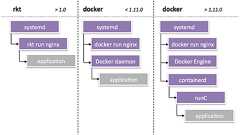
Even the coolest products and services come with vendor lock-in. And no matter how enthusiastic I have been aboutDocker in the last three years, at some point this vendor lock-in starts to hurt. Thegood news is that competition is well onits way to becoming a viable alternative. Perhaps even a better alternative in some regards. This article takes a look at CoreOS’s rkt (pronounced: “rock-it”)
Fleetの使い方,Unitファイルの書き方 CoreOSに入門した | SOTA CoreOSではすべてのアプリケーションをDockerで動かす.このとき,コンテナによるサービスをCoreOSクラスタのどのマシンで起動するかをいちいち人手で決めるわけにはいけない.クラスタ内のリソースの状態や動いているサービスに基づき,適切なマシンでコンテナを動かすスケジューリングの仕組みが必要になる. このスケジューリングとコンテナの管理にCoreOSはfleetを用いる. fleetを使うとCoreOSクラスタが1つのinit systemで動いているかのようにそれを扱うことができるようになる.開発者はどのマシンでどのDockerコンテナが動いているかを気にする必要がなくなる. 例えば,5つのコンテナを動かす必要があれば,fleetはクラスタのどこかでその5つのコンテナが動いてることを保証する.もしコ
Sep 6, 201464 likes17,080 viewsAI-enhanced description This document contains configuration files for deploying a CoreOS cluster onGoogle Cloud Platform (GCP) and running a sample "busybox" application across the cluster nodes using Fleet.It specifies settings foretcd, fleet, SSH keys, and a unit filetemplate for running the busybox container with load balancing. Instructions are provided for

 1
1リリース、障害情報などのサービスのお知らせ
最新の人気エントリーの配信
処理を実行中です
j次のブックマーク
k前のブックマーク
lあとで読む
eコメント一覧を開く
oページを開く


