Introduction
Candidiasis is a disease caused byCandida spwhich are part of the normal flora found in the upper respiratory,gastrointestinal and female genital tract of the human body. Mostcases ofCandida infection result fromCandidaalbicans, which is an opportunistic infection as it does notinduce disease in immunocompetent individuals but can only do so inthose with an impaired host immune defence system. TheCandida infection is generally classified into superficialand deep. It commonly infects the nails, skin and mucous membranes,especially the oropharynx, vagina, oesophagus and gastrointestinal(GI) tract. Occasionally,Candida sp invade the bloodstreamand spread to other deep structure organs in the body such askidneys, lungs and brain, causing systemic candidiasis (1).
Although a decrease in bloodstream infection hasbeen noted, the number of risk factors which may eventually lead tosystemic candidiasis have been on the increase (2). Risk factors for systemic candidiasisinclude immunosuppression due to chemotherapy or corticosteroidtherapy, diabetes mellitus, low birth weight in neonates, broadspectrum antibiotics, long-term catheterization, haemodialysis andparenteral nutrition. However, a significant observation was thatthe three main groups of patients associated with systemiccandidiasis are those with neutropenic cancer, organ or stem celltransplant patients and those undergoing intensive careprocedures.
Breast cancer is the most common cancer amongMalaysian women, with approximately 1 in 20 developing breastcancer in their lifetime (3). Thereis a marked geographical difference in the worldwide incidence ofbreast cancer, with a higher incidence in developed countriescompared to developing countries. In a survey conducted in twoprominent hospitals in Malaysia, the age incidence was similar.Moreover, it was discovered that on average, half of the cases weredelayed in presentation. This delay was possibly attributed to astrong belief in traditional medicine, the negative perception ofthe disease, poverty and poor education, coupled with fear anddenial (3,4).
While the exact mechanism leading to systemiccandidiasis is not known, the initiation and progression ofsystemic candidiasis can be viewed as an imbalance in thehost-pathogen relationship in favour ofCandida albicans.Previous studies showed that invasive candidiasis is a common andserious complication of cancer and its therapy (5). In cancer patients, it has beenhypothesized that it develops from initial GI colonization withsubsequent translocation into the bloodstream. It is unclear whatcomponents of the innate immune system are necessary for theprevention ofCandida albicans dissemination from the GItract, but it is hypothesized that neutropenia and GI mucosaldamage are critical in allowing widespread invasiveCandidaalbicans disease (6).
Few studies have documented the co-existence andplausible relationship between breast cancer and systemiccandidiasis (7–10). However, there have been no authenticstudies on systemic candidiasis and its relationship with breastcancer in experimentally induced mice. This study aimed toestablish a hypothetical relationship between the most common typeof cancer in women in Malaysia and systemic candidiasis by using amouse breast cancer model withCandida inoculation. Resultsfrom this study will provide the groundwork from which furtherstudies, such as immunology, can be carried out to betterunderstand the pathogenesis ofCandida in cancer patients.It may also help bring better insight into the current treatmentand pathophysiology of cancer which has itself been shown to be arisk factor to the predisposition of candidiasis.
Materials and methods
Experimental animals
Female Balb/c mice were used for the investigation,after prior approval from the Ethics committee. The mice weredivided into five groups (Table I).Dosing began when the mice were 10 weeks old and weighed 15–25 g.They were housed in groups of 6 mice for each metal cage locatedwithin the Animal Housing Facility in the International MedicalUniversity. The mice were fed with standard mice chow and weregiven free access to water. The weight of the mice was recorded atthe start, once every week thereafter and finally at the end of theexperiment.
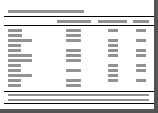 | Table ICharacteristics of the fivegroups. |
Table I
Characteristics of the fivegroups.
| Group no. | Groupdescription | Concentration perdose of 0.1 ml (cells/ml) | Duration beforedissection (weeks) |
|---|
| 1 | Control group(injected with PBS only) | - | 2 |
| 2 | Mice inoculated withCandida albicans | 5×10⁶ | 2 |
| 3 | Mice induced withbreast cancer | 1×10⁵ | 4 |
| 4 | Mice induced withbreast cancer and subsequently inoculated withCandidaalbicans | 1×10⁵ of4T1 breast cancer cells and 5×10⁶ forCandidaalbicans | 3 + 1 |
| 5 | Mice induced withbreast cancer and subsequently inoculated and withCandidaalbicans | 1×10⁵ of4T1 breast cancer cells 5×10⁸ forCandidaalbicans | 3 + 1 |
Culture of Candida yeast cells
TheCandida yeast cells were obtained frompatient clinical isolates (International Medical UniversityResearch Lab, Wonget al). Samples were used afterpermission was obtained from the investigator. The cells were thensubcultured onto a solid media of Sabouraud agar by streakingmethods and stored in an incubator at 37°C. Before harvesting thecolonies for inoculation, one of theCandida colonies wassubcultured in the YPD broth and left for 72 h in a shakingincubator (Certomat S11) fixed at 100 rpm at a controlledtemperature of 37°C. After 3 days or on the stipulated day ofinoculation, serum was added into the broth to allow for germ tubeformation to occur and left in the shaking incubator for anadditional 3 h with similar settings. The colonies were thenharvested by means of centrifugation. The volume and concentrationneeded for inoculation were prepared by dilutions and calculatedusing a haemocytometer.
Inoculation of mice with systemiccandidiasis
The mice were first placed inside a retainer. A 27Gneedle syringe was then used to inject 0.1 ml of Candidablastospores suspended in phosphate buffer solution (PBS) at aconcentration of 5×10⁶ cells/ml via the tail vein usingethanol swap. This step was repeated with another group of mice ata concentration of 5×10⁸ cells/ml.
Culture of 4T1 breast cancer cells
The breast cancer cells (4T1 cell line;International Medical University Research Lab, Radhakrishnanetal) were maintained and subcultured into a 25-cm3culture flask until the cells were healthy and had achieved asteady replicative rate. They were then harvested by means ofcentrifugation and kept suspended in the culture medium. The volumeand concentration needed for inoculation was prepared by dilutionsand calculated using a haemocytometer.
Inducing mice with 4T1 cancer cells
The mice were first anesthesized with diethyl etherbefore an injection of 0.1 ml of 1×10⁵ cells/ml wasadministered subcutaneously into the mammary fatpad at the axillaof the right arm.
Sample collection
The mice were weighed at the end of the experimentbefore being sacrificed with diethyl ether in a desiccator. Theorgans harvested were spleen, kidneys, lungs, heart and brain. Thetumours from groups 3, 4 and 5 were also harvested. They weresubsequently fixed in 10% formalin for at least 2 days.
Tissue processing
The fixed organs were then sectioned and processedto paraffin blocks. Sections of 4 μm were taken on glass slides andwere stained with hematoxylin and eosin, periodic acid schiff (PAS)and gomori methenamine silver (GMS). The sections were thendehydrated, cleared and mounted with cover slips using DPX mountantmedia.
Results
The slides were observed under a light microscope inorder to grade the primary tumour, presence of metastatic deposits,and extent of candidiasis in all the organs by comparativelyexamining both the hematoxylin and eosin-stained slides, PAS andGMS, and the extent of organ inflammation and congestion. Acorrelation was then made between the pathological lesions observedin the groups and the mean gross weight changes.
The histopathological scoring of inflammation andcongestion changes in these organs was based on the techniqueemployed by Kah Henget al and Blacket al (11,12)(Figs. 3 and4). Scoring of candidiasis was withreference to Blacket al and Balishet al (12,13)(Figs. 2 and3). Grading of the primary tumour wascarried out using the conventional method of analyzing thesimilarity of the cells to its tissue of origin as poorly,moderately and severely differentiated (14) (Figs.1 and4).
Statistical analysis
In this study, 60 samples were studied and analyzed.Analytical data were expressed as a mean with standard deviationand a 95% confidence interval. The level of significance was set at0.05. Statistical tests used were: The i) paired t-test forcomparison of initial and final mean weight of mice in each group,ii) Kruskal-Wallis test for global comparison of groups for all theparameters, iii) non-parametric Mann-Whitney U test for comparisonbetween two groups for each parameter and iv) Spearman’s rho testfor the correlation of candidiasis, cancer metastases, inflammationand congestion.
The statistical tests were conducted with the aid ofSPSS Statistical software version 16. For the individual tests,p<0.05 was considered to be significant. The paired t-test is aparametric method employed to test for any significant differencebetween the means on the same or related subject over time or indiffering circumstances. From the test conducted, it was found thatp<0.05 in all the groups, with groups 1, 2 and 3 showingp<0.01. Thus, a significant difference in the weight of the micein all the groups at the beginning and the end of the experimentwas noted (Table II).
| Table IIResults of the paired t-test for grossweight of mice at the beginning and end of the experiment. |
Table II
Results of the paired t-test for grossweight of mice at the beginning and end of the experiment.
| Group | Mean initial weight(g) | Mean final weight(g) | Asymptotesignificance (p<0.05) |
|---|
| 1 | 17.71 | 19.09 | 0.001b |
| 2 | 18.36 | 16.85 | 0.009b |
| 3 | 19.00 | 20.00 | 0.000b |
| 4 | 19.40 | 18.01 | 0.039a |
| 5 | 20.25 | 18.04 | 0.032a |
{ label (or @symbol) neededfor fn[@id='tfn1-ol-01-01-0215'] } The mean gross weight ingrams, noted at the beginning and end of the experiment, wasincluded.
a Significant difference at p<0.05 and
Based on a global comparison for metastasis in eachof the organs for all groups, the Mann-Whitney U test forcomparison between groups 3 and 4 showed a significant differencein all the organs except the brain (p<0.01;Table III). The kidneys showed a greaterlevel of significance (p<0.01) as compared to the other organs.This shows that the presence of candidiasis, as in the case ofgroup 4, has an effect on the extent of the metastatic growth inthese organs.
| Table IIIResults obtained from theKruskal-Wallis test for global comparison of organ metastases amongthe groups and the Mann-Whitney U test for comparison betweengroups 3 and 4 for the extent of organ metastases. |
Table III
Results obtained from theKruskal-Wallis test for global comparison of organ metastases amongthe groups and the Mann-Whitney U test for comparison betweengroups 3 and 4 for the extent of organ metastases.
| Organs | Asymptotesignificance (p<0.05) |
|---|
|
|
|---|
| Kruskal-Wallis testof global comparison | Mann-Whitney U testfor comparison between groups 3 and 4 |
|---|
| Brain | 1.000 | - |
| Kidneys | 0.000b | 0.000b |
| Lungs | 0.000b | 0.016a |
| Liver | 0.000b | 0.015a |
| Spleen | 0.000b | 0.016a |
a Significant difference at p<0.05 and
By comparing the median severity of candidiasisbetween groups 2 and 4, a significant difference in severity wasobserved in the kidneys and liver. In the kidneys of group 2, theseverity of candidiasis was mild, while that in group 4 wasmoderate (Table IV). Theseobservations were also observed in slides stained in PAS andGMS.
| Table IVHistopathological scoring ofcandidiasis in hematoxylin and eosin. |
Table IV
Histopathological scoring ofcandidiasis in hematoxylin and eosin.
| Experimentalgroup | Median of severityof candidiasis |
|---|
|
|
|---|
| Brain | Kidneys | Lungs | Liver |
|---|
| Group 2- |
| Mice withCandida (5×10⁶ cells/ml) | − | + | − | − |
| Group 4- |
| Mice with breastcancer andCandida (5×10⁶ cells/ml) | − | ++ | − | ++ |
[i] Absent (−), mild(+), moderate (++) and severe (+++).
The Kruskal-Wallis test used for global comparisonbetween groups 2 and 4, and 4 and 5 for inflammation and congestionshowed a significant difference of p<0.01 in all the organs(Tables V andVI). The Mann-Whitney U test used forcomparison between groups 2 and 4 for inflammation response showeda significant difference in all the organs. This shows that theco-existence of both candidiasis and cancer in the mice had aheightened effect on the severity of inflammation as compared tomice with candidiasis alone.
| Table VResults of Kruskal-Wallis for globalcomparison among groups and Mann-Whitney U test for comparisonbetween groups 2 and 4 for organ inflammation response. |
Table V
Results of Kruskal-Wallis for globalcomparison among groups and Mann-Whitney U test for comparisonbetween groups 2 and 4 for organ inflammation response.
| Organs | Asymptotesignificance (p<0.05) |
|---|
|
|
|---|
| Kruskal-Wallis testof global comparison | Mann-Whitney U testfor comparison between groups 2 and 4 |
|---|
| Brain | 0.000b | 0.000b |
| Kidneys | 0.000b | 0.005b |
| Lungs | 0.000b | 0.000b |
| Liver | 0.000b | 0.000b |
a Significant difference at p<0.05 and
| Table VIResults of Kruskal-Wallis for globalcomparison among groups and Mann-Whitney U test for comparisonbetween groups 4 and 5 for organ congestion. |
Table VI
Results of Kruskal-Wallis for globalcomparison among groups and Mann-Whitney U test for comparisonbetween groups 4 and 5 for organ congestion.
| Organs | Asymptotesignificance (p<0.05) |
|---|
|
|
|---|
| Kruskal-Wallis testof global comparison | Mann-Whitney U testfor comparison between groups 4 and 5 |
|---|
| Brain | 0.000b | 0.000b |
| Kidneys | 0.000b | 0.000b |
| Lungs | 0.000b | 0.006b |
| Liver | 0.000b | 0.000b |
a Significant difference at p<0.05 and
The Mann-Whitney test was used for comparisonbetween groups 4 and 5 to examine the extent of candidiasis. Thefindings showed that the increase in theCandida dosageinjected into group 5 at a concentration of 5×10⁸cells/ml compared to 5×10⁶ cells/ml in group 4, showed astatistically significant difference in the brain and lungs(p<0.01;Table VII). TheMann-Whitney U test for comparison between groups 4 and 5 forinflammation and congestion showed a significant difference in theinflammatory response at the liver with p<0.01. This means thatthe increased dose in group 5 showed a statistically significanteffect on the inflammatory response noted in the liver andcongestion observed in the brain and the lungs.
| Table VIIResults of hte Mann-Whitney U testfor comparison between groups 4 and 5 for the extent ofcandidiasis, organ inflammation and organ congestion. |
Table VII
Results of hte Mann-Whitney U testfor comparison between groups 4 and 5 for the extent ofcandidiasis, organ inflammation and organ congestion.
| Organs | Asymptotesignificance (p<0.05) |
|---|
|
|
|---|
| Extent ofcandidiasis | Organinflammation | Organcongestion |
|---|
| Brain | 0.000b | 0.070 | 0.004b |
| Kidneys | 0.308 | 0.265 | 0.229 |
| Lungs | 0.000b | 0.314 | 0.013a |
| Liver | 0.808 | 0.000b | 1.000 |
a Significant difference at p<0.05 and
The correlation between candidiasis and cancermetastases was positive in the kidneys and liver for a significancelevel of 0.01 (Table VIII).However, no correlation was found in the brain, while in the lungsthe correlation was not significant. The correlation betweencandidiasis and inflammation was shown to be positively correlatedwith significance at a level of 0.01 in the kidneys, lungs andliver, while the brain only showed significance at a level of 0.05.The correlation between candidiasis and congestion was positive ata significance level of 0.01 in all of the organs.
| Table VIIICorrelation coefficient betweencandidiasis with cancer metastases, organ inflammation and organcongestion. |
Table VIII
Correlation coefficient betweencandidiasis with cancer metastases, organ inflammation and organcongestion.
| Comparisonorgans | Spearman rhocorrelation coefficient between candidiasis and cancermetastases | Spearman rhocorrelation coefficient between candidiasis and organinflammation | Spearman rhocorrelation coefficient between candidiasis and organcongestion |
|---|
| Brain | 0 (nocorrelation) | 0.272a | 0.553b |
| Kidneys | 0.347b | 0.619b | 0.537b |
| Lungs | 0.212 | 0.587b | 0.544b |
| Liver | 0.485b | 0.614b | 0.616b |
a Correlation is significant at the 0.05 (2-tailed)and
b 0.01 levels (2-tailed).
Discussion
Few studies have been conducted on experimentalsystemic candidiasis in mice. Information obtained from thesestudies on the necessary dosages, as well as previous observationswere used to make comparisons with this study (15–17).Some of these studies have been dedicated to the observations ofthe correlation between systemic candidiasis and other forms ofimmunosuppression such as chemotherapy, steroid therapy, antibiotictherapy, as well as other types of malignancies such as leukemiaand esophageal cancer.
However, an exclusive study on systemic candidiasisand its relationship with breast cancer has yet to be conducted,even though there are a few epidemiological studies that have showna co-existence of breast cancer and systemic candidiasis in humans(7,10,18).This study aimed to focus on the relationship between systemiccandidiasis and breast cancer by examining the behaviour ofcandidiasis when the body is subjected to a chronic disease state.Therefore, breast cancer was not only selected as an idealrepresentation of a chronic illness, but also one that is capableof suppressing the host immune system (19–22).
To study how the presence of a chronic illness suchas breast cancer can, by itself, be attributed to the increasedseverity of candidiasis, this novel study focused on the growth ofsystemic candidiasis following the induction of mice with breastcancer. Scores were calculated based on the severity of candidiasisand grading of the primary tumour, and identification of theirmetastatic deposits was conducted. Other parameters taken intoconsideration included gross weight of the mice at the beginningand end of the study, as well as inflammation and congestion in therespective organs which were studied by scoring on asemi-quantitative scale using an established technique as mentionedearlier.
Systemic candidiasis
In group 2, the mice were solely inoculated withsystemic candidiasis by intravenous injection via the tail vein fora duration of two weeks. During the course of the experiment, signsof the disease were noted in these mice. Their eyeballs protruded,their fur roughened and they were generally less active as comparedto the normal group. Moreover, increased group huddle and sleepwere noted. The mice also appeared very weak and thin with thecurvatures of the bony structures beneath the mice visible to thenaked eye. In addition, the weight taken at the beginning and endof the experiment showed that there was a statistically significantreduction in their mean weight. This was attributed to the possibleloss of appetite and general cachexic state of the mice.Histopathologically, favourable growth of theCandidacolonies in the form of hyphae, yeast cells and pseudohyphae werediscovered in the kidneys, pelvis and tubule region, but not inmany of the other organs. This was attributed to the mild dose of5×106 cells/mlCandida cells injected and theshort duration of the experiment as also shown by Wonget al(16).
Breast cancer study
In group 3, the mice were injected at the mammaryfatpad with 4T1 cancer cells in the right axilla region at aconcentration of 1×10⁶ cells/ml (23). After four weeks of growth andmetastases, the mice were sacrificed for analysis. During thecourse of the investigation, the weights of the mice were reducedfor the first week before gradually increasing in the 3rd week. Thegrowth of the primary tumour was detected as a palpable mass asearly as the 10th day and as late as the 14th day. The mice weregenerally active for the first two weeks with no apparentdeviations from those usually observed in the normal control group.However, by the 3rd week, the mice began to exhibit signs oflethargy and did not move as often. Furthermore, the mass of tumourbegan to appear significantly enlarged to the naked eye by themiddle of 3rd week. General appetite was good. No distinct changesto the fur, eyes or prominent curvatures of the bony structureswere noted.
Grading for the primary tumour showed it to bemoderate to poorly differentiated with the majority of the tumoursbeing poorly differentiated. Metastatic deposits were discovered inthe lungs, liver and spleen with varying frequencies among themice. The gross morphology of the other organs did not exhibit anycrude changes, with the exception of the spleen which was markedlyenlarged as compared to that found in the normal group. The tumourappeared hard and smooth in texture with a glistening surface.
Scoring for inflammation showed that the median ofseverity of the entire group was mild in both the lungs and liver.The median severity of congestion found in the kidneys, lungs andliver were mild, while congestion found in the brain was mild tomoderate. In the liver, however, the micro-abscesses that wereobservable in group 2, were not noted in the group as a whole.Therefore, in the group with breast cancer, the severity ofinflammation and congestion observed in the organs were mostly mildin severity with metastatic deposits found in the lungs, liver andspleen.
Correlation between systemic candidiasisand breast cancer
In group 4, the mice were first induced with breastcancer for three weeks and subsequently inoculated withCandida at a concentration of 5×10⁶ cells/ml forone week. The time of induction with breast cancer was set at threeweeks, based on studies showing that by this period, adequatemetastases have occurred in all these organs (23,24).The initial stages of tumour growth and changes in the mice weresimilar to those found in group 3. However, whenCandida wasinjected, changes in group 2 were noted within days instead of the2nd week as in the case of group 2. These changes includedprotruding eyes, roughened fur and general inertia, with increasedhuddle and sleep. In the final stages of the investigation, a surgein the growth of tumour size was observed.
Grading carried out for the primary tumour showedpoorly differentiated tissue with atypical cells and a high numberof mitotic figures. Metastatic deposits were also found in thelungs, liver, spleen and even in the kidneys at a higher frequencyas compared to that of group 3. These differences werestatistically significant (p<0.05). Thus, an increased frequencyof metastatic deposits occurred in these organs in group 4 ascompared to that in group 3. This suggests a possible role ofCandida causing immunosuppression which, by itself,attributed to the increased metastatic deposits of the cancer foundin these organs. It also explains the late surge in tumour growthnoted late in the investigation.
Notable changes in the kidneys include candidiasisinvolvement in the renal parenchyma, renal tubules and pelvis.Within the liver parenchyma and vasculature, distinct changes suchas micro-abcesses, chronic inflammation and congestion wereobserved at a greater level in this group as compared to that notedin group 2. This group also showed an increased group median ofseverity inCandida infection in the kidneys and liver. Thekidneys showed a moderate severity as compared to a mild one ingroup 2, while the liver showed a moderate severity of candidiasisas compared to the absence of candidiasis noted in group 2. Thus,this group showed extra involvement of the liver compared to onlythe kidneys as was the case in group 2. This observation holds truein scoring performed for both PAS and GMS.
Scoring of inflammation showed a moderate severityas noted in the brain, kidneys and lungs, while the liver showedsevere changes as compared to only mild ones found in all theorgans in group 2. Comparison of inflammation severity between thetwo groups was statistically significant (p<0.01).
As for congestion, group 4 showed a moderatecongestion in the brain and kidneys as compared to a mild one ingroup 2 and while congestion in the lungs was not observed in group2, group 4 showed mild congestion. Furthermore, the liver showedsevere congestion as compared to just moderate congestion found ingroup 2. A comparison between groups 2 and 4 for congestion wasstatistically significant (p<0.05). In conclusion, severity ofcandidiasis, inflammation and congestion were found at greaterlevels in breast cancer induced mice with candidiasis as comparedto mice with only candidiasis.
Dose-dependent study
In group 5, the mice were first induced with breastcancer and, subsequently, with candidiasis at a higher dose of5×108 cells/ml. These mice were similar to group 3 atthe initial stages of cancer growth. However, when candidiasis wasinjected, the mice died within the first week of inoculation atvaried periods as compared to group 4 where the time of inoculationwith candidiasis was one week and mice survived till the end ofinvestigation. The sudden immediate death was attributed tosepticaemia.
Grading on the primary tumour showed the tumours tobe poorly differentiated. Metastatic deposits were found in thekidneys, lungs, liver and spleen. Scoring of candidiasis showedmild severity in the brain while the kidneys showed moderate andthe lungs severe candidiasis. The liver, on the other hand, showedmild to moderate severity. Statistical tests comparing differencesin candidiasis severity between groups 4 and 5 found a significantdifference in the brain and lungs (p<0.01). This means that withan increased dose, the brain and lungs exhibit candidiasis withincreased levels of severity. It is possible that with a higherdose, the higher reaches of the body are more easily accessed asthe amount of dose eliminated by the liver or spleen is less.
In the scoring for inflammation, the brain showedmild severity while the kidneys, lungs and liver showed moderateseverity. However, only the liver showed a statisticallysignificant difference when compared to group 4. Inflammation wasmuch less in severity compared to that in group 4, which may beattributed to the short period of inoculation time before thedemise of the mice resulting in inadequate time for chronicinflammation to occur.
In the scoring for congestion, group 5 showed severecongestion in all the organs. However, only the brain and the lungsshowed a statistically significant difference with group 4, whichwas shown to have a greater level of congestion. This may beattributed to the acute changes noted in the host response to aforeign pathogen.
Correlation of candidiasis, cancermetastases, organ inflammation and organ congestion
The correlation between candidiasis and cancermetastases was found to be significant in the kidneys and liver(p<0.01). This shows that in the kidneys and liver, an increasein cancer metastatic deposits was accompanied by an increase incandidiasis severity. When correlating candidiasis withinflammation and congestion, it was found to be statisticallysignificant (p<0.05) in all the organs. Thus, increased levelsof candidiasis are accompanied by increased levels of inflammationand congestion in the respective organs studied.
In conclusion, the mouse model of inducing breastcancer was successful, as well as the method and technique ofinducing candidiasis was effective. The mouse model and method andtechnique were attributed to the efficient culture methods.Moreover, growth of breast cancer and candidiasis were observablein all the relevant groups. The weight of the mice was alsocorrelated with the pathology suffered by the mice. All theobjectives were carried out with precision and successfullyachieved.
An analysis was performed based on the scoring ofcandidiasis, grading of metastatic deposits, inflammation andcongestion in the brain, kidneys, lungs and liver of the mice inall the groups. The inflammation and congestion parameters showed astatistically significant increase in severity in all the organs ascompared to the group of mice with systemic candidiasis and breastcancer, and that of systemic candidiasis alone. The median severityof the entire group for candidiasis scoring in the kidneys andliver also increased for the group of mice with systemiccandidiasis and breast cancer.
Therefore, based on these evidences, systemiccandidiasis appears to be more severe in experimentally inducedmice with breast cancer than in mice without.
Acknowledgements
This investigation was funded by research grant no.BMS I-02/2008 (12) from theInternational Medical University, Kuala Lumpur, Malaysia.
References
1 | Levinson W: Review of Medical Microbiologyand Immunology. 9th edition. The McGraw-Hill Companies; pp.134–136. 2006 |
2 | Richardson MD: Changing patterns andtrends in systemic fungal infections. J Antimicrob Chemother.56(Suppl 1): 5–11. 2005.View Article :Google Scholar |
3 | Yip CH, Taib NA and Mohamed I:Epidemiology of breast cancer in Malaysia. Asian Pac J Cancer Prev.7:369–374. 2006.PubMed/NCBI |
4 | Hisham AN and Yip CH: Overview of breastcancer in Malaysian women: a problem with late diagnosis. Asian JSurg. 27:130–133. 2004.View Article :Google Scholar :PubMed/NCBI |
5 | DiNubile MJ, Hille D, Sable CA andKartsonis NA: Invasive candidiasis in cancer patients: observationsfrom a randomized clinical trial. J Infect. 50:443–449. 2005.View Article :Google Scholar :PubMed/NCBI |
6 | Koh AY, Kohler JR, Coggshall KT, vanRooijen N and Pier GB: Mucosal damage and neutropenia are requiredfor candida albicans dissemination. PLoS Pathogens. 4:35–38. 2008.View Article :Google Scholar :PubMed/NCBI |
7 | Gottfredsson M, Vredenburgh JJ, Xu J,Schell WA and Perfect JR: Candidemia in women with breast carcinomatreated with high-dose chemotherapy and autologous bone marrowtransplantation. Cancer. 98:24–30. 2003.View Article :Google Scholar :PubMed/NCBI |
8 | Ghoneum M and Gollapudi S: Phagocytosis ofCandida albicans by metastatic and non metastatic human breastcancer cell lines in vitro. Cancer Detect Prev. 28:17–26. 2004.View Article :Google Scholar :PubMed/NCBI |
9 | Anderson LM, Krotz S, Weitzman SA andThimmapaya B: Breast cancer-specific expression of the Candidaalbicans cytosine deaminase gene using a transcriptional targetingapproach. Cancer Gene Ther. 7:845–852. 2000.View Article :Google Scholar |
10 | Safdar A, Chaturvedi V, Cross EW, Park S,Bernard EM and Armstrong D: Prospective study of Candida species inpatients at a comprehensive cancer center. Antimicrob AgentsChemother. 45:2129–2133. 2001.View Article :Google Scholar :PubMed/NCBI |
11 | Lee KH, Chen YS, Judson JP, ChakravarthiS, Sim YM and Er HM: The effect of water extracts of Euphorbiahirta on cartilage degeneration in arthritic rats. Malays J Pathol.30:95–102. 2008.PubMed/NCBI |
12 | Black CA, Eyers FM, Russell A, Dunkley ML,Clancy RL and Beagley KW: Increased severity of Candida vaginitisin BALB/c nu/nu mice versus the parent strain is not abrogated byadoptive transfer of T cell enriched lymphocytes. J Reprod Immunol.45:1–18. 1999.View Article :Google Scholar :PubMed/NCBI |
13 | Balish E: A URA3 null mutant of Candidaalbicans (CAI-4) causes oro-oesophageal and gastric candidiasis andis lethal for gnotobiotic, transgenic mice (Tgepsilon26) that aredeficient in both natural killer and T cells. J Med Microbiol.58:290–295. 2009.View Article :Google Scholar :PubMed/NCBI |
14 | Kumar VRSC and Robbins SL: Robbins BasicPathology. 7th edition. Saunders; pp. 436–438. 2003 |
15 | De Repentigny L: Animal models in theanalysis of Candida host-pathogen interactions. Curr OpinMicrobiol. 7:324–329. 2004.PubMed/NCBI |
16 | Wong SF, Mak JW and Pook CK: Potential useof a monoclonal antibody for the detection of Candida antigens inan experimental systemic candidiasis model. Hybridoma. 27:361–373.2008.View Article :Google Scholar :PubMed/NCBI |
17 | Ashman RB and Papadimitriou JM: Murinecandidiasis. Pathogenesis and host responses in geneticallydistinct inbred mice. Immunol Cell Biol. 65:163–171. 1987.View Article :Google Scholar :PubMed/NCBI |
18 | Talarmin JP, Boutoille D, Tattevin P, etal: Epidemiology of candidemia: a one-year prospectiveobservational study in the west of France. Med Mal Infect.4:106–112. 2009.PubMed/NCBI |
19 | Mandeville R, Lamoureux G, Legault-PoissonS and Poisson R: Biological markers and breast cancer. Amultiparametric study II Depressed immune competence. Cancer.50:1280–1288. 1982.View Article :Google Scholar :PubMed/NCBI |
20 | Semiglazov VF, Kondrat’ev VB, Mar’enko AI,L’Vovich EG and Sofronov BN: Immunologic reactivity of breastcancer patients. Vopr Onkol. 24:74–79. 1978.PubMed/NCBI |
21 | Contreras Ortiz O and Stoliar A:Immunological changes in human breast cancer. Eur J Gynaecol Oncol.9:502–514. 1988.PubMed/NCBI |
22 | Das SN, Khanna NN and Khanna S: Amultiparametric observation of immune competence in breast cancerand its correlation with tumour load and prognosis. Ann Acad MedSingapore. 14:374–381. 1985.PubMed/NCBI |
23 | Pulaski BA and Ostrand-Rosenberg S: Mouse4T1 breast tumor model. Curr Protoc Immunol. 20:2–11. 2001. |
24 | Tao K, Fang M, Alroy J and Sahagian GG:Imagable 4T1 model for the study of late stage breast cancer. BMCCancer. 8:228–236. 2008.View Article :Google Scholar :PubMed/NCBI |