 Live Science Plus





Modern "Mother Goose" Attempts to Unravel the Flight of the Bar-Headed Goose
When you purchase through links on our site, we may earn an affiliate commission.Here’s how it works.
Get the world’s most fascinating discoveries delivered straight to your inbox.
You are now subscribed
Your newsletter sign-up was successful
Want to add more newsletters?

Delivered Daily
Daily Newsletter
Sign up for the latest discoveries, groundbreaking research and fascinating breakthroughs that impact you and the wider world direct to your inbox.

Once a week
Life's Little Mysteries
Feed your curiosity with an exclusive mystery every week, solved with science and delivered direct to your inbox before it's seen anywhere else.

Once a week
How It Works
Sign up to our free science & technology newsletter for your weekly fix of fascinating articles, quick quizzes, amazing images, and more

Delivered daily
Space.com Newsletter
Breaking space news, the latest updates on rocket launches, skywatching events and more!
Once a month
Watch This Space
Sign up to our monthly entertainment newsletter to keep up with all our coverage of the latest sci-fi and space movies, tv shows, games and books.

Once a week
Night Sky This Week
Discover this week's must-see night sky events, moon phases, and stunning astrophotos. Sign up for our skywatching newsletter and explore the universe with us!
Join the club
Get full access to premium articles, exclusive features and a growing list of member rewards.
This Research in Action article was provided to LiveScience in partnership with the National Science Foundation.
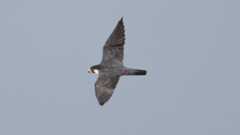
Bar-headed geese accomplish the extraordinary feat of migrating over the Himalayan mountain range twice a year, flying between their wintering grounds in southern Asia to their breeding grounds in the central Asian highlands. These birds have even been spotted over the summit of Mt. Everest, where oxygen levels are only about one-third that at sea level.


Meir traveled to the Sylvan Heights Waterfowl Park in North Carolina to seek the bar-headed geese for her study, arriving just in time for the hatching of this year's bar-head recruits. Because she was the first person or thing that the goslings set eyes upon after they were born, the imprinting process was set in motion and Meir began her role as "Mother Goose."
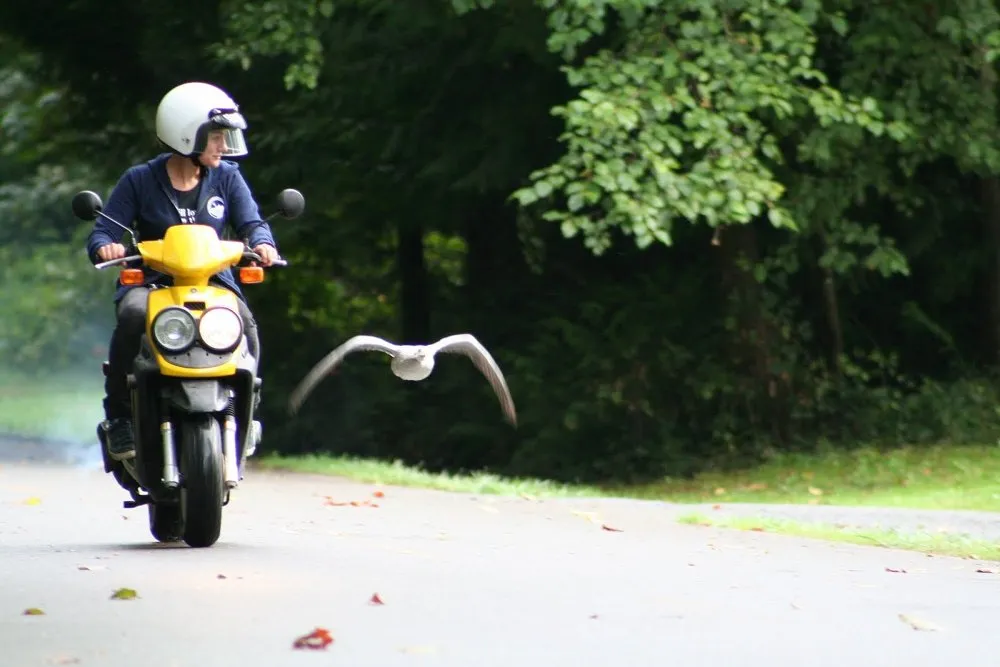
Over the last seven months, Meir has spent her days with the gaggle, bonding with them and taking them on walks and outings. And when the birds began flying, she began leading flight training sessions on a scooter with a bird at her side, at speeds ranging from 20 to 35 mph.
It is hard to miss the excitement in Meir's eyes as she cruises down the road on her scooter, the wingtip of one of her goslings brushing her shoulder at times, as she stares into the eye of this magnificent bird in the midst of flight, just inches away from her.
When not busy with the flock, Meir is in the lab preparing equipment for the flight experiments, scheduled to begin soon in UBC's wind tunnel. This work, funded by a National Science Foundation International Research Fellowship Program grant, will be the first time physiological measurements will be made on this species while flying under conditions of low oxygen, like those experienced during their migration. For more, watch the video below.
Get the world’s most fascinating discoveries delivered straight to your inbox.
Any opinions, findings, and conclusions or recommendations expressed in this material are those of the author and do not necessarily reflect the views of the National Science Foundation. See theResearch in Action archive.


