Editor’s Note:“The Seventies” focuses on the sexual revolution Thursday at 9 p.m. ET/PT on CNN.Sally Kohn is an activist, columnist and television commentator. Follow her on Twitter:@sallykohn. The opinions expressed in this commentary are solely those of the author.
Story highlights
Kohn: In the 1970s, the sexual revolution, women's movement and gay liberation movement changed culture
It turned out to be more about personal empowerment than changes in law and politics, she says
CNN —
To borrow a cliché, the 1970s was all about sex, drugs and rock and roll. But arguably, it was the sex part that had the most enduring and profound effect on American society.
Sally Kohn
CNN
The 1970s saw the convergence of several phenomena related to sex, sexuality and gender. There was the women’s liberation movement, in which women and girls who had been long told they were the inferior sex finally took to the streets, the courts and the voting booths to assert their equality.
In 1970, the first Women’s Liberation Conference took place in England — the same year that Germaine Greer published “The Female Eunuch” and Robin Morgan published “Sisterhood Is Powerful, An Anthology of Writings from the Women’s Liberation Movement.” The next year, the first women’s liberation march took place.
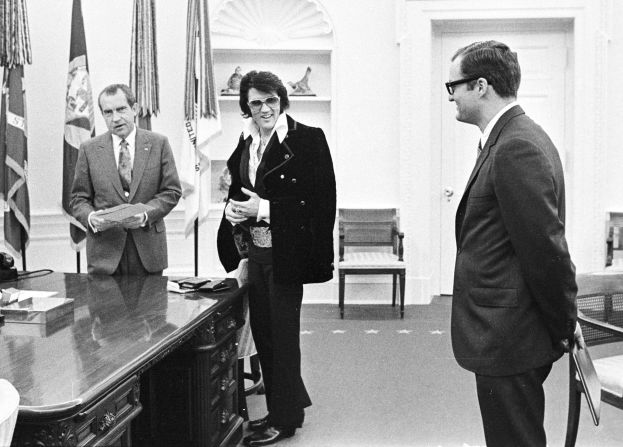
Pop culture and politics collided on December 21, 1970, when the King of Rock 'n' Roll, Elvis Presley, visited President Richard Nixon in the White House Oval Office. The '70s may have been many things, but boring sure wasn't one of them. Check out 70 of the most unforgettable moments of the decade. For more, watch the CNN Original Series "The Seventies."
National Archive/Newsmakers/Getty Images
Apollo 13 returns safely to Earth —
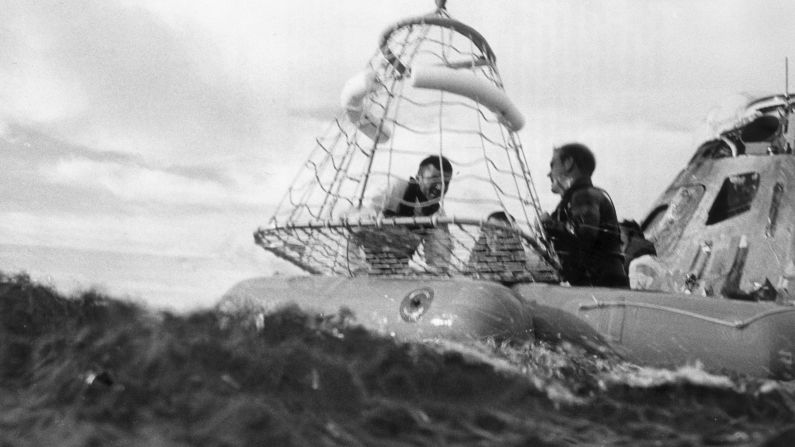
The Apollo 13 spacecraft was intended to be the third landing on the moon, but the NASA crew aborted its mission after an oxygen tank exploded on board. The astronauts landed in the South Pacific on April 17, 1970. Here, lunar module pilot Fred W. Haise Jr. is about to be hoisted up to a recovery helicopter from the USS Iwo Jima.
NASA/Hulton Archive/Getty Images
Kent State massacre —
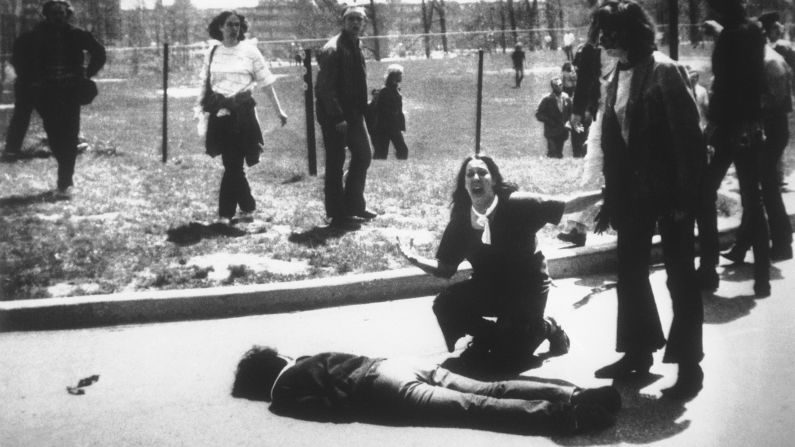
Four students died and nine others were wounded on May 4, 1970, when members of the Ohio National Guard opened fire on students protesting the Vietnam War at Kent State University in Ohio. In this Pulitzer Prize-winning photo, taken by Kent State photojournalism student John Filo, Mary Ann Vecchio can be seen screaming as she kneels by the body of slain student Jeffrey Miller.
John Filo/AP
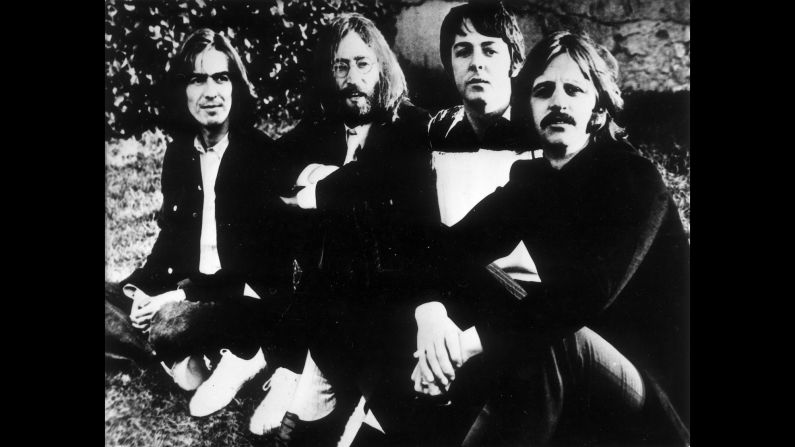
The Beatles call it quits —
The "Fab Four," pictured here in 1970, released their final album, "Let It Be," on May 8, 1970. The album came one month after Paul McCartney announced the group's breakup.
Hans J. Hoffmann/ullstein bild/Getty Images
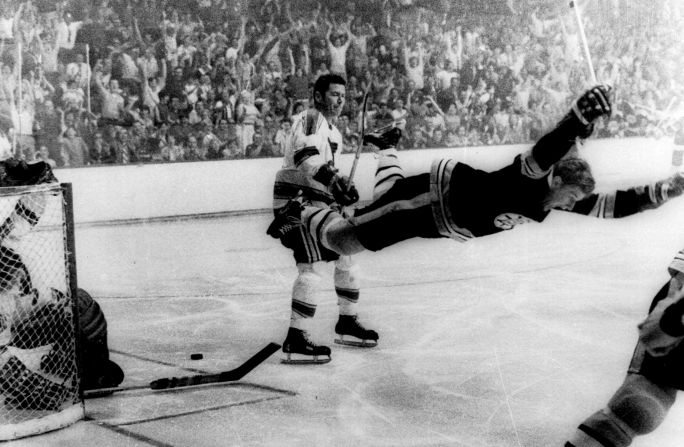
'Flying Bobby' —
In one moment, Bobby Orr became a hockey legend. On May 10, 1970, Orr scored an overtime goal in Game 4 of the Stanley Cup Finals, giving the Boston Bruins their first championship since 1941. In 1971, Orr signed the first million-dollar contract in NHL history -- $200,000 a year for five years -- and in 1979 he became the youngest NHL Hall of Famer when he was inducted at the age of 31.
Ray Lussie/Boston Herald American/AP
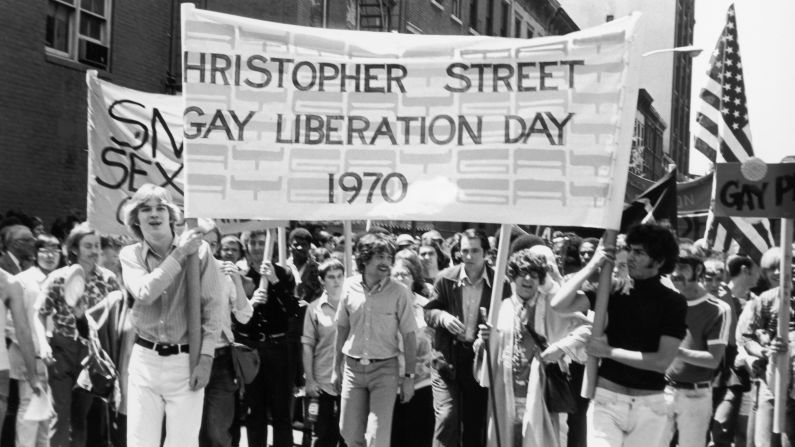
Gay rights movement gains popularity —
Gay rights activists Foster Gunnison and Craig Rodwell lead a gay rights march in New York on June 28, 1970, then known as Gay Liberation Day. The march was held on the first anniversary of the police raid of the Stonewall Inn, a popular gay bar in New York's Greenwich Village. The raid led to demonstrations and protests by the gay community. The Stonewall riots helped bring together the gay community in New York, and by 1971 gay rights groups had formed in almost all of the major cities in America.
Fred W. McDarrah/Getty Images
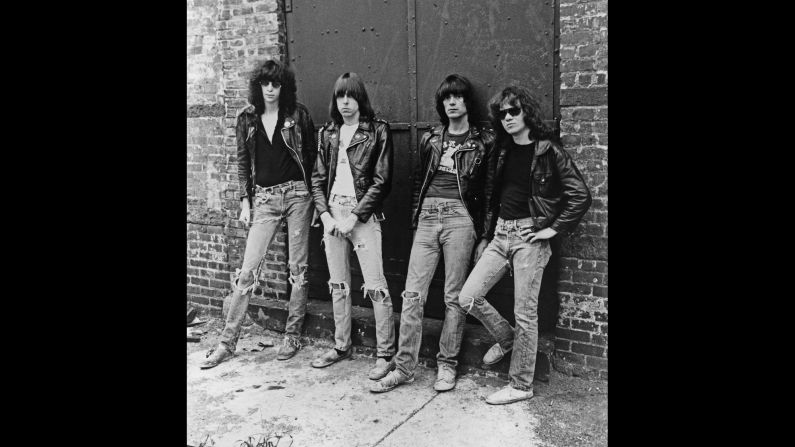
'Hey! Ho! Let's go!' —
The '70s ushered in a new musical movement that put a premium on speed, simplicity and raw power. Bands like the Ramones, pictured, and the Sex Pistols put to waste the trippy, hippie music of the '60s, replacing it with short, fast songs filled with attitude and angst. It could only be called one thing: punk.
Michael Ochs Archives/Getty Images
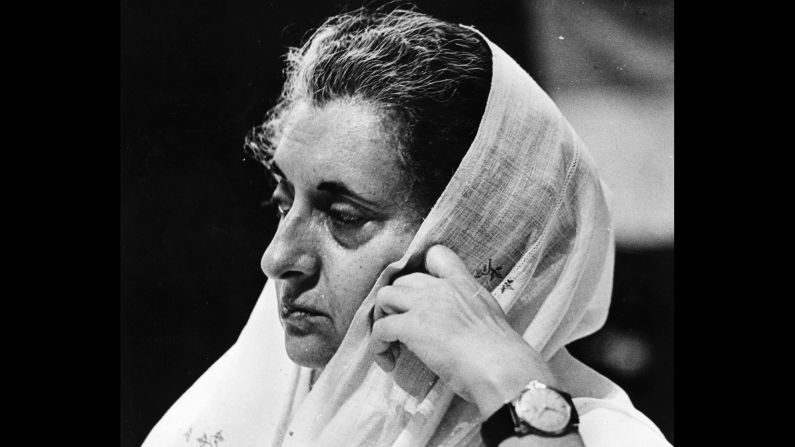
Indira Gandhi re-elected —
Indira Gandhi, the only woman to ever hold the office of Prime Minister of India, won a second term in a landslide victory in March 1971. She would be re-elected to a fourth term in 1980, but she was assassinated by two of her bodyguards in 1984.
Fox Photos/Getty Images
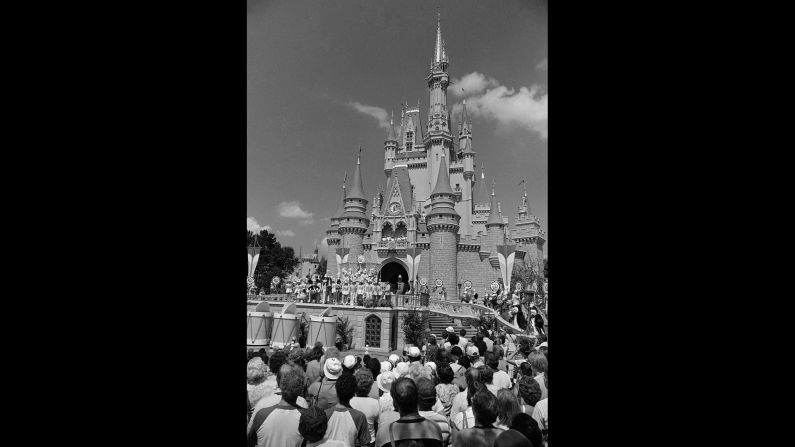
Disney World opens —
A crowd in Orlando waits for Walt Disney World's Main Street to open in October 1971. The park cost an estimated $400 million to build and now attracts around 25 million visitors annually. When Disney World opened in 1971, the price for admission was $3.50. A single-day ticket now is $105 for anyone over 10 years old.
AP Photo
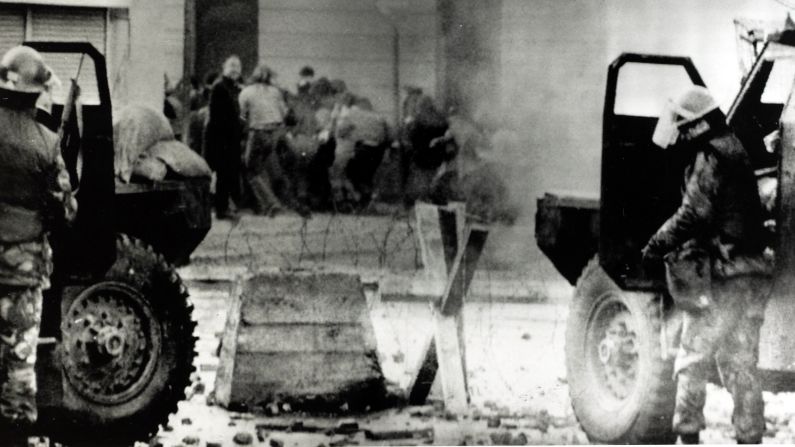
'Bloody Sunday' —
On January 30, 1972, British soldiers opened fire against protesters in Londonderry, Northern Ireland, who were marching against British rule. Thirteen people were killed on the scene, and more than a dozen were injured. After the shooting, recruitment and support for the Irish Republican Army skyrocketed. Three decades of violence known as The Troubles followed, and almost 3,000 people died.
Popperfoto/Getty Images
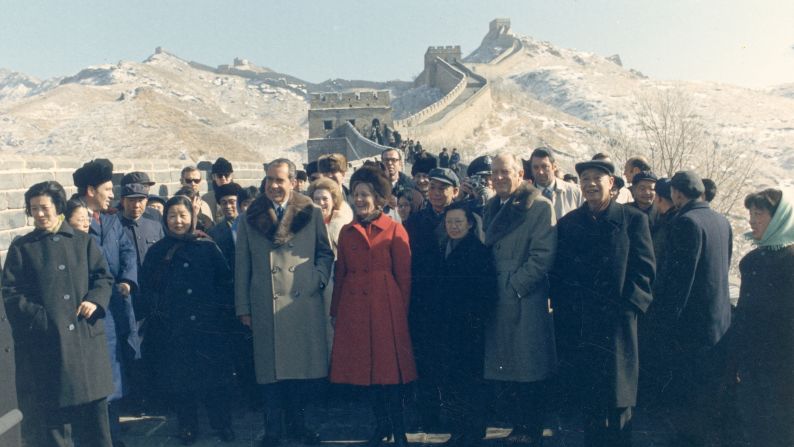
Nixon in China —
Richard Nixon became the first U.S. President to visit China. His trip in February 1972 was an important step in building a relationship between the two countries.
Fotosearch/Getty Images
'Napalm Girl' —
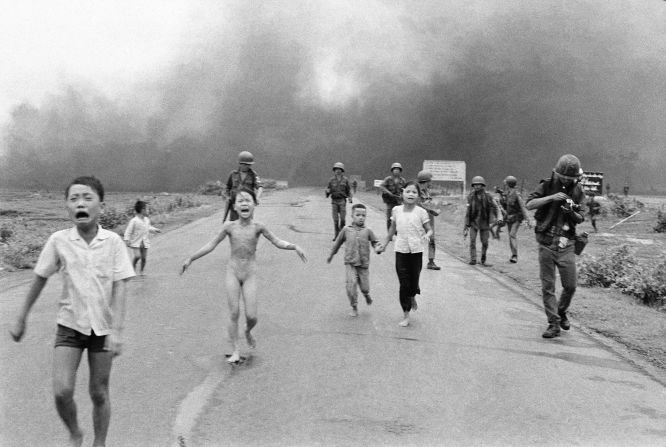
Associated Press photographer Nick Ut photographed terrified children running from the site of a napalm attack during the Vietnam War in June 1972. A South Vietnamese plane accidentally dropped napalm on its own troops and civilians. Nine-year-old Kim Phuc, center, ripped off her burning clothes while fleeing. The image communicated the horrors of the war and contributed to the growing anti-war sentiment in the United States. After taking the photograph, Ut took the children to a hospital.
Nick Ut/AP
'Hanoi Jane' —
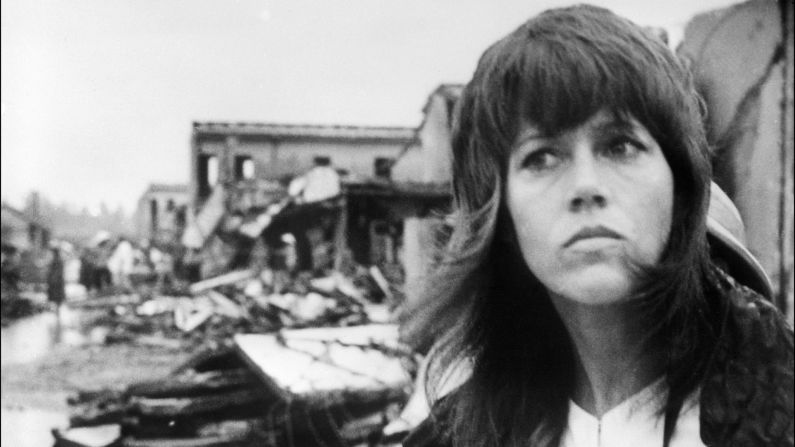
In July 1972, in the midst of the Vietnam War, actress Jane Fonda visited the North Vietnamese city of Hanoi and criticized the U.S. role in the war, leading many to call her "anti-American." Earlier this year, Fonda called the trip an "incredible experience" but expressed some regret. "It hurts me, and it will to my grave, that I made a huge, huge mistake that made a lot of people think I was against the soldiers,"Fonda said during an appearance in Frederick, Maryland.
AFP/Getty Images
Porn goes mainstream —
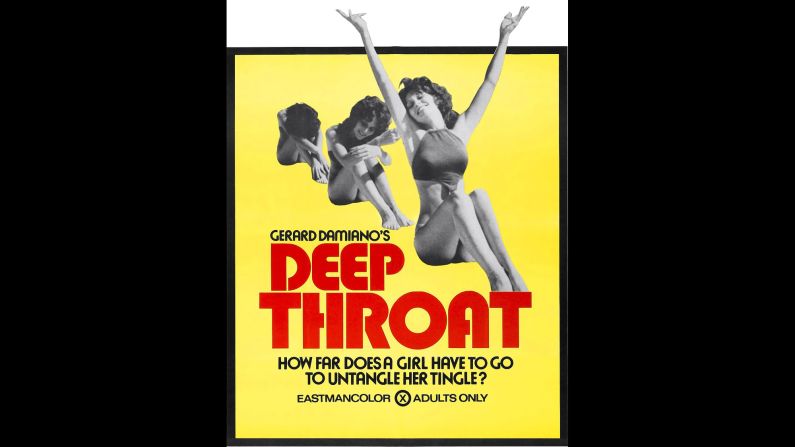
In any other year it might sound strange, but in 1972 one of the most popular films of the year was a porno. "Deep Throat" was one of the first pornographic films to receive mainstream attention, and it made $3 million in its first six months of release. It also took on an additional layer of cultural significance when the secret informant in the Watergate scandal went by the pseudonym "Deep Throat."
Bryanston Pictures
Cold War chess championship —
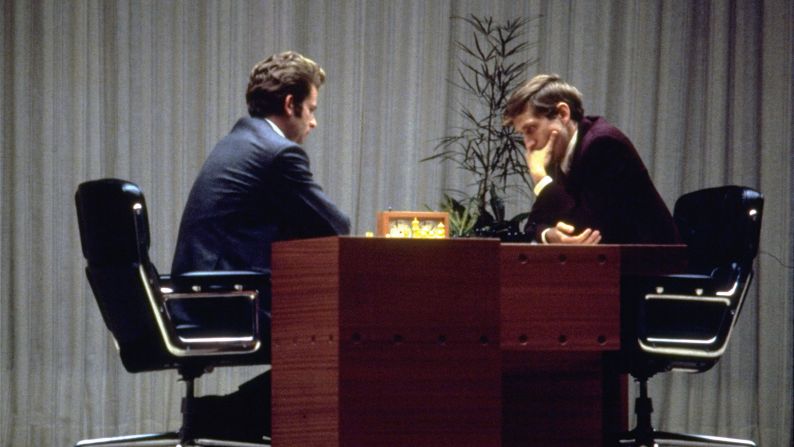
American Bobby Fischer, right, and Russian Boris Spassky play their last game of chess together in Reykjavik, Iceland, on August 31, 1972. Fischer defeated Spassky to become the World Chess Champion, ending a Soviet win streak that dated to 1948.
J.W. Green/Getty Images
Terror at the Olympics —
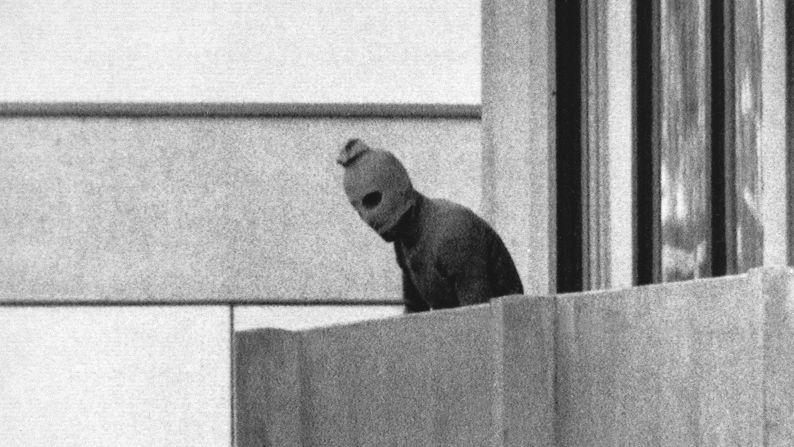
On September 5, 1972, the Summer Olympics in Munich, Germany, were in the throes of a hostage crisis. Two Israeli athletes had been killed and nine taken hostage by members of Black September, a Palestinian terrorist movement demanding the release of political prisoners by the Israeli government. Hours later, all nine hostages, five terrorists and one police officer were dead.
Kurt Strumpf/AP
The perfect season —
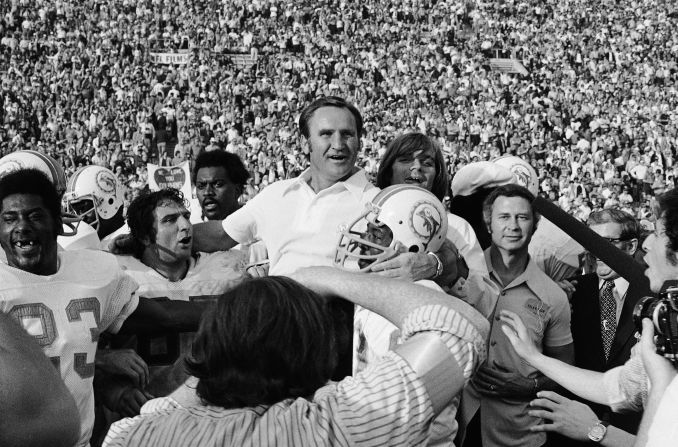
The Miami Dolphins, coached by Don Shula, win Super Bowl VII in January 1973 and become the only NFL team in history to win a championship with an undefeated record.
AP
'I'll make him an offer he can't refuse' —
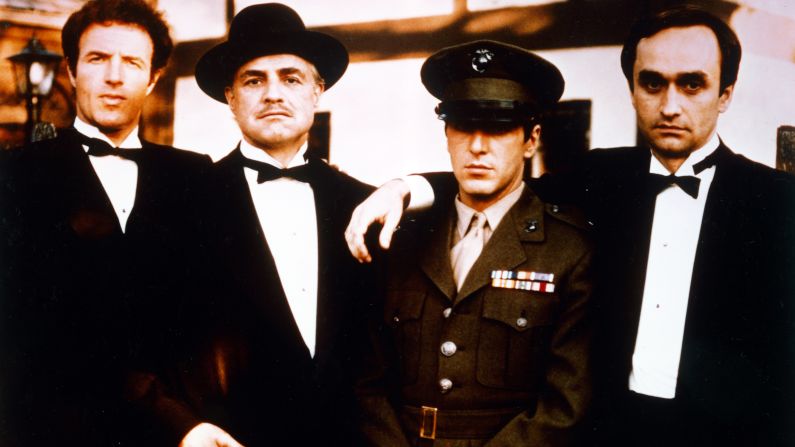
"The Godfather," directed by Francis Ford Coppola, took home several Academy Awards in March 1973, including Best Picture and Best Adapted Screenplay. The film was based on the best-selling novel by Mario Puzo and starred, from left, James Caan, Marlon Brando, Al Pacino and John Cazale. Brando won the Oscar for Best Actor.
Silver Screen Collection/Getty Images
The Triple Crown —
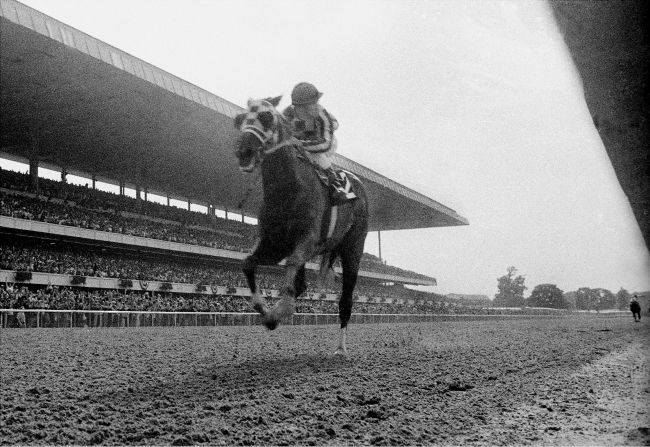
Secretariat races toward the finish line, blowing away the field in record time to win the Belmont Stakes in June 1973. With the victory, Secretariat became the first horse to win the Triple Crown since Citation in 1948. The Triple Crown was won two other times in the '70s, by Seattle Slew in 1977 and Affirmed in 1978. In 2015, American Pharoah became the first horse to take the Triple Crown in 37 years.
Bill Meurer/NY Daily News Archive/Getty Images
Chicago's record-setting giant —
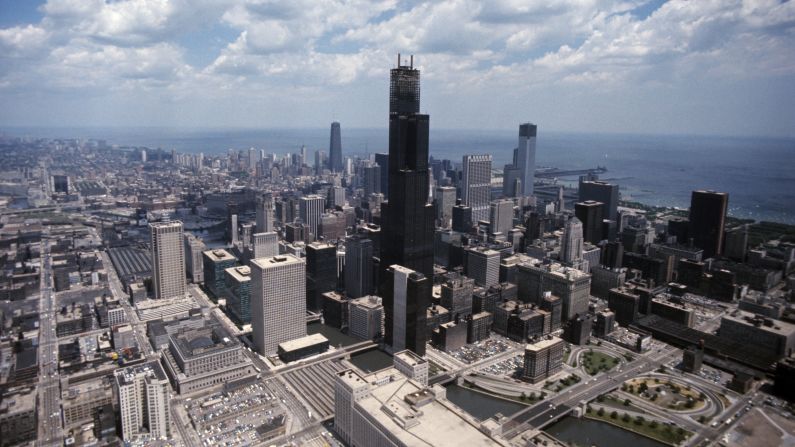
In 1973, the Sears Tower opened in Chicago, overtaking the World Trade Center as the tallest building in the world. The tower, now known as the Willis Tower, is the second-tallest building in the United States today.
Paul Slade/Paris Match/Getty Images)
Bruce Lee dies —
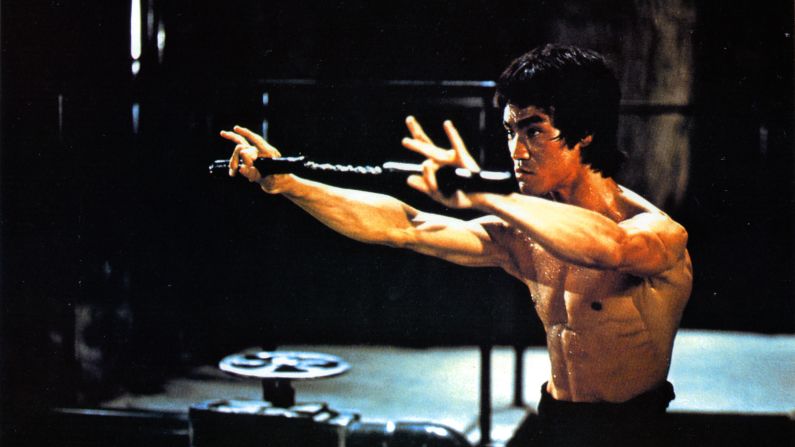
Martial-arts actor Bruce Lee, seen here training in a scene from the film "Enter the Dragon," dies in July 1973 just days before the movie's release. He was 32. The film would cement Lee's legend and bring martial arts to the forefront of pop culture.
Warner Brothers/Getty Images
Scandal in the Nixon administration —
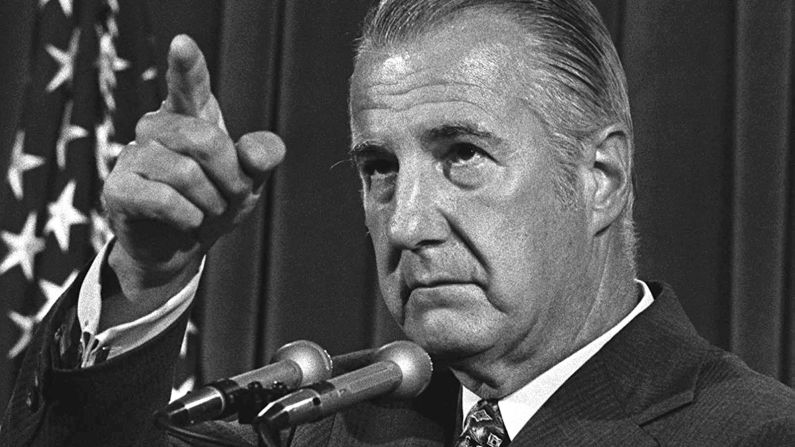
U.S. Vice President Spiro T. Agnew addresses the media on August 8, 1973, saying he would not resign while being investigated on charges of tax fraud, bribery and conspiracy. However, Agnew resigned in October 1973 after pleading no contest to a single count of income-tax evasion. He was the second vice president to resign in U.S. history.
AP
The 'Twin Towers' —
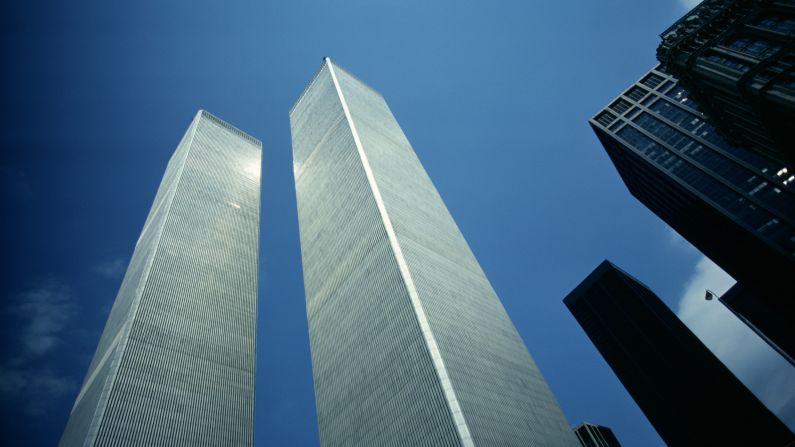
From the time of their completion in 1973 until their destruction in the terror attacks of September 11, 2001, The World Trade Center's twin towers stood as an iconic part of the New York City skyline.
Peter J. Eckel/AP
'Battle of the Sexes' —
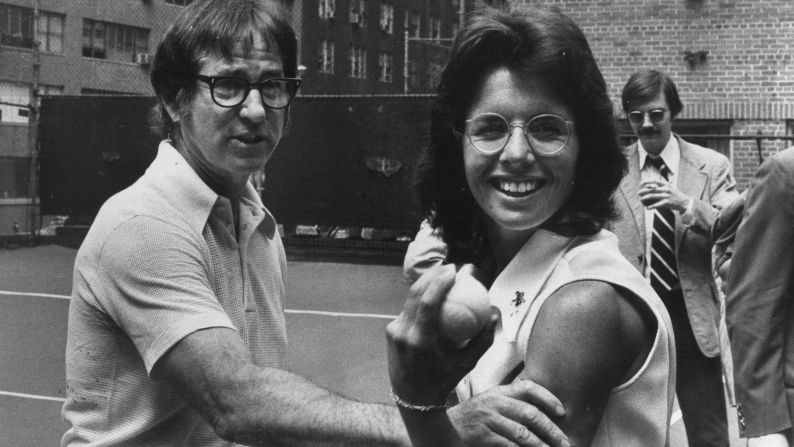
In a nationally televised tennis match on September 20, 1973, Bobby Riggs, a former No. 1 tennis player, took on Billie Jean King, one of the top female tennis players at the time. Earlier in the year, Riggs put out a challenge to all female tennis players, saying no woman could beat him. King beat Riggs 6-4, 6-3, 6-3 and claimed a $100,000 prize.
TSN Archives/Getty Images
'The Exorcist' hits theaters —
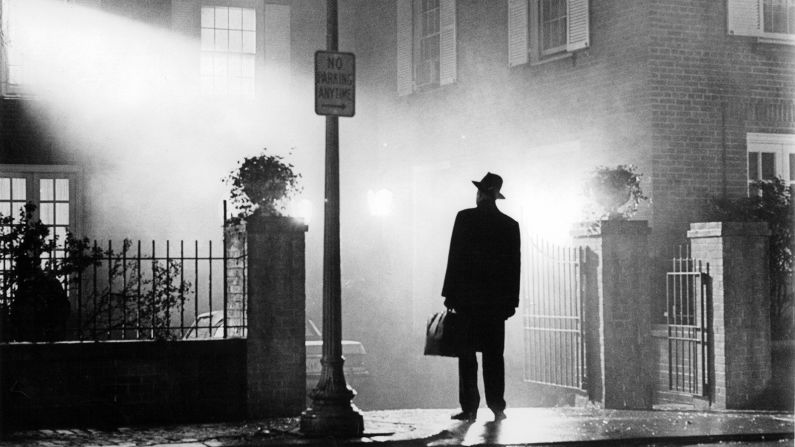
"The Exorcist," based off the best-selling novel by William Peter Blatty about a demonically possessed 12-year-old girl, was released in December 1973. It went on to become one of the most popular films of all time. It was the first horror film to be nominated for a Best Picture Oscar, and Blatty won the Academy Award for Best Adapted Screenplay.
Universal History Archive/Getty Images
The pocket calculator —
By 1973, Clive Sinclair had introduced a series of pocket calculators that changed the industry, making calculators small and light enough to fit in your pocket. They were not only much smaller and thinner than their competitors, but also much cheaper, making their advanced technology available to the masses.
Getty Images
Energy crisis —
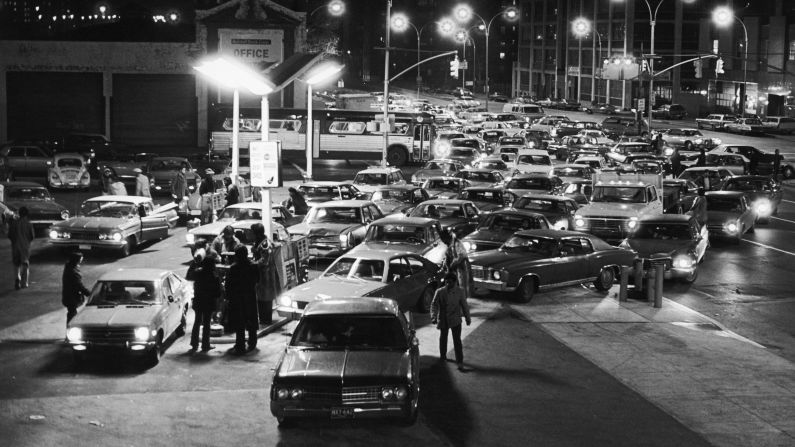
Cars in Brooklyn, New York, line up for gas in January 1974. In October 1973, an oil embargo imposed by members of OPEC led to skyrocketing gas prices and widespread fuel shortages.
Allan Tannenbaum/The LIFE Images Collection/Getty Images
Hammerin' Hank —
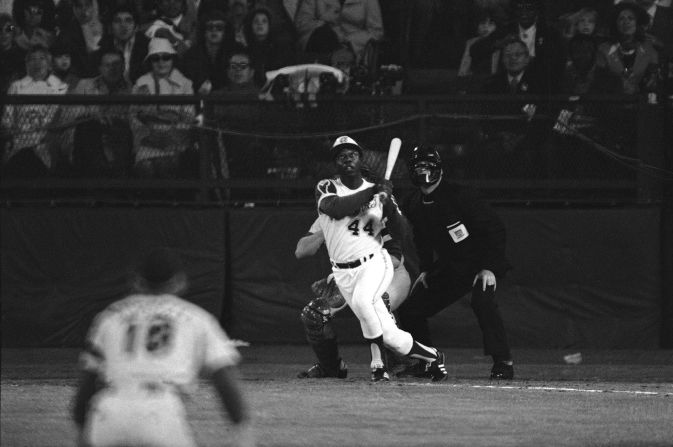
Hank Aaron breaks Babe Ruth's career home run record, hitting home run No. 715 at Atlanta's Fulton County Stadium in April 1974. Aaron finished his career with 755 home runs, a record that stood until Barry Bonds broke it in 2007.
Harry Harrris/AP
Baryshnikov defects —
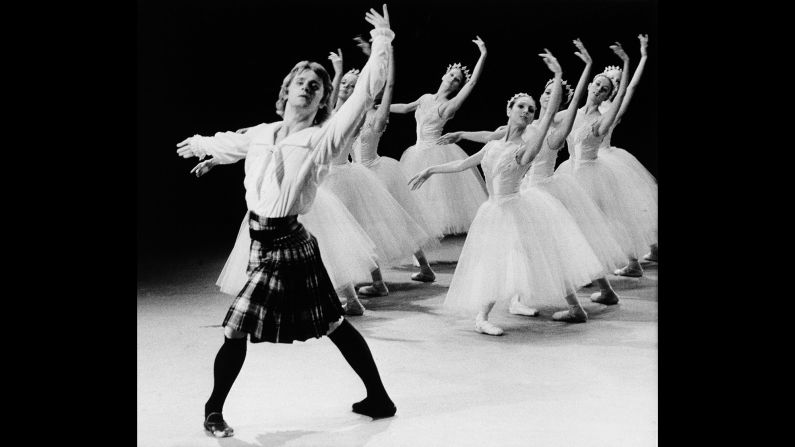
Russian dancer Mikhail Baryshnikov, left, tapes a TV special in Canada, where he defected in June 1974. Soon after, Baryshnikov moved to the United States and started working with the New York City Ballet and the American Ballet Theatre. In 1979, he earned an Academy Award nomination for his supporting role in the film "The Turning Point."
Dina Makarova/AP
Nixon resigns —
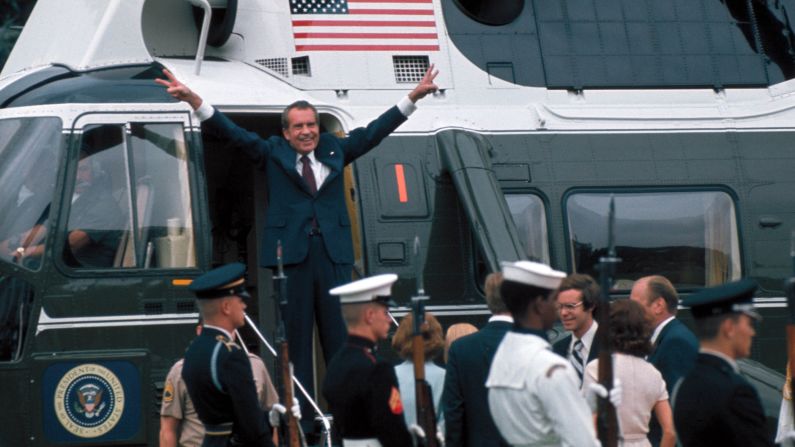
U.S. President Richard Nixon gestures in the doorway of a helicopter on August 9, 1974, after leaving the White House following his resignation over the Watergate scandal. Nixon's resignation marked the end to one of the biggest political scandals in U.S. history, which began in 1972 after a break-in at the Democratic National Committee's headquarters at the Watergate complex. Five men were arrested for the burglary, and the FBI and Washington Post reporters Bob Woodward and Carl Bernstein were able to trace them back to Nixon and the White House.
Bill Pierce/LIFE Images Collection/Getty Images
Power of the press —
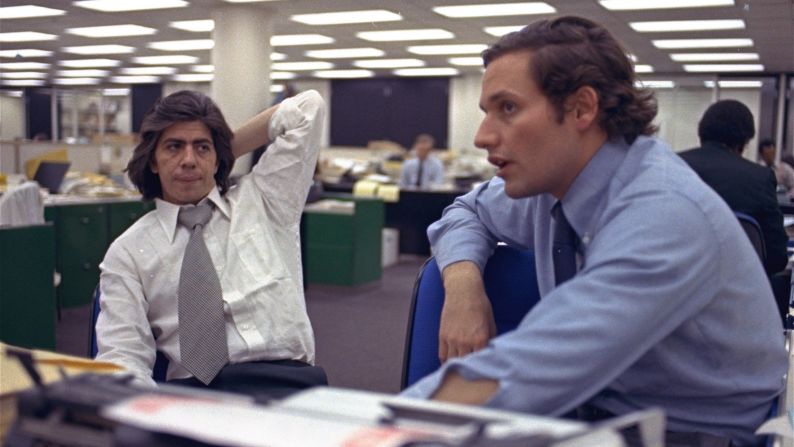
Reporters Bob Woodward, right, and Carl Bernstein sit in the newsroom of the Washington Post newspaper in May 1973. Woodward and Bernstein's reporting on the Watergate scandal led to President Nixon's resignation and won them a Pulitzer Prize. In 1976, Robert Redford and Dustin Hoffman would portray the pair in the film adaptation of their book "All the President's Men."
AP
Cover girl —
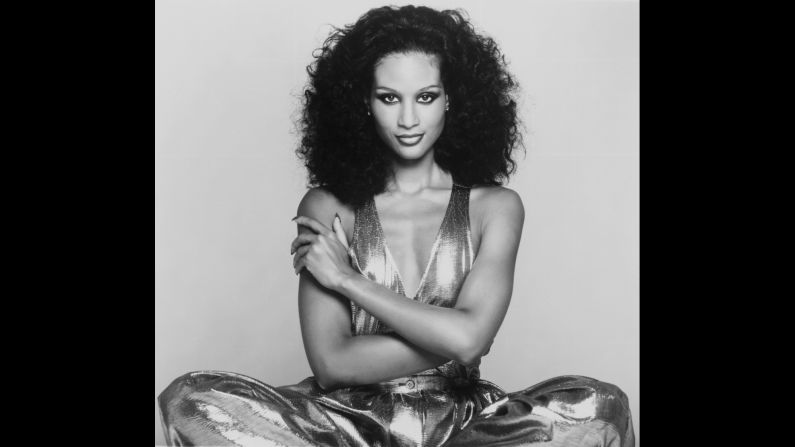
Beverly Johnson made history in August 1974 when she became the first African-American model to appear on the cover of Vogue magazine in the United States.
Gems/Redferns/Getty Images
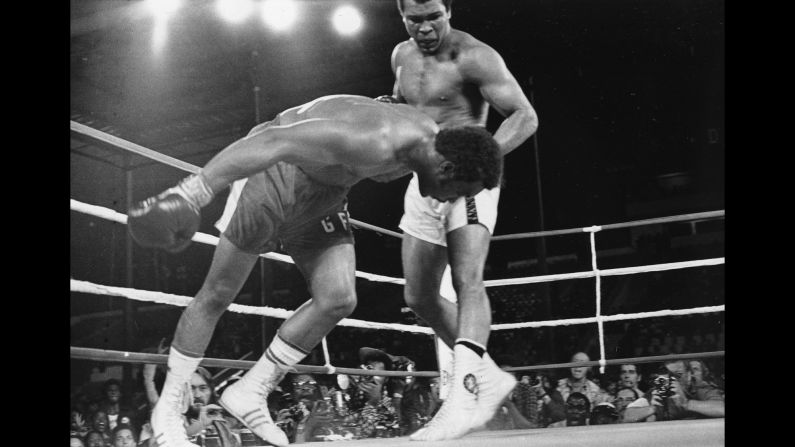
Muhammad Ali watches heavyweight champion George Foreman fall to the canvas during their title bout in Kinshasa, Zaire, in October 1974. Ali's upset victory over the undefeated Foreman won him back the titles he was stripped of in 1967 for refusing induction into the U.S. Army.
AP
Cambodian genocide —
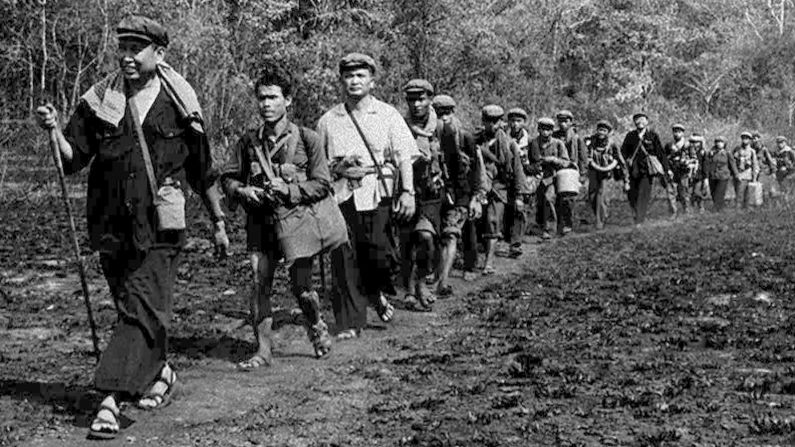
From 1975-1979, Pol Pot -- seen here at far left -- led the Khmer Rouge communist movement in Cambodia. During his reign, at least 1.7 million people -- nearly a quarter of Cambodia's population -- died from execution, disease, starvation and overwork, according to the Documentation Center of Cambodia.
Kyodo New/AP
The fall of Saigon —
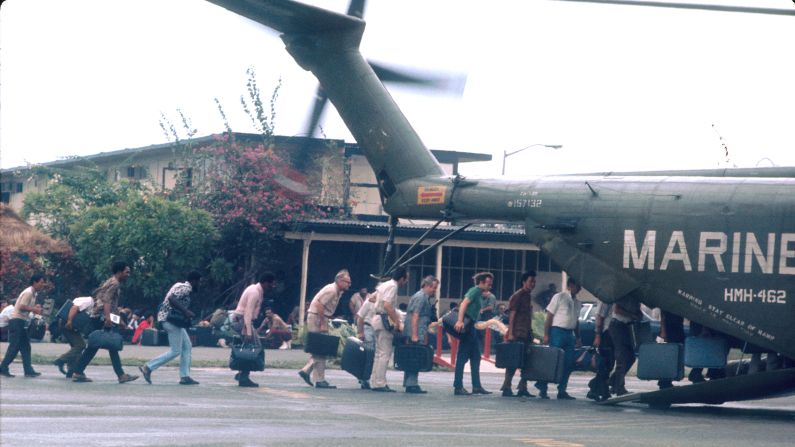
In April 1975, the fall of Saigon to the North Vietnamese effectively marked the end of the Vietnam War. Here, U.S. Marines guard civilians during evacuations at Tan Son Nhut airbase. The country became the Socialist Republic of Vietnam on July 2, 1976.
Dirck Halstead/Liaison/Getty Images
Birth of the blockbuster —
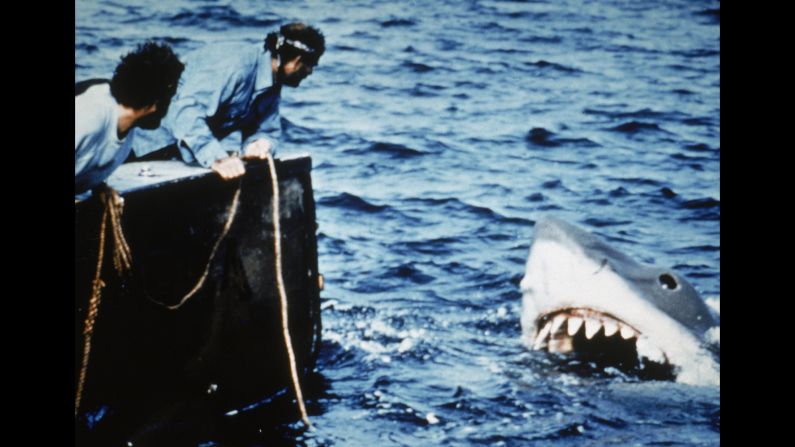
In the summer of 1975, Steven Spielberg had people flocking to the theaters instead of the beaches. The success of "Jaws" -- his first hit movie -- set up summer as the season for Hollywood's biggest and highest-grossing movies.
Universal Pictures/Getty Images
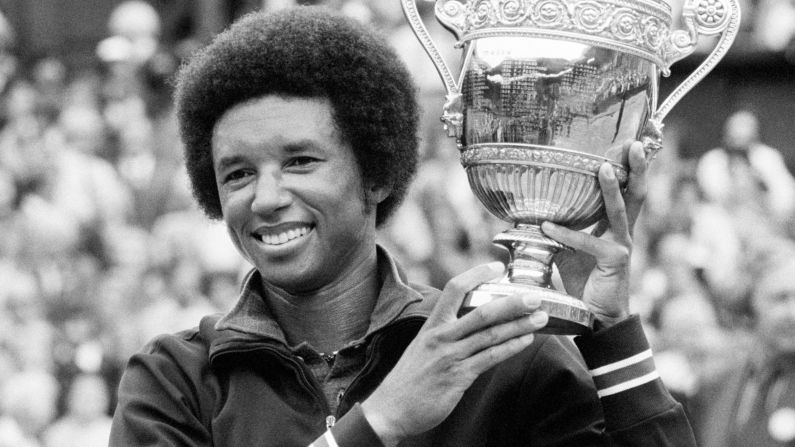
Arthur Ashe wins Wimbledon —
American tennis player Arthur Ashe became the first black man to win Wimbledon when he defeated Jimmy Connors in July 1975. Ashe retired from tennis in 1980 and became a spokesperson for HIV and AIDS after announcing he had contracted HIV from a blood transfusion. Ashe died on February 6, 1993, from AIDS-related pneumonia.
Ed Lacey/Popperfoto/Getty Images
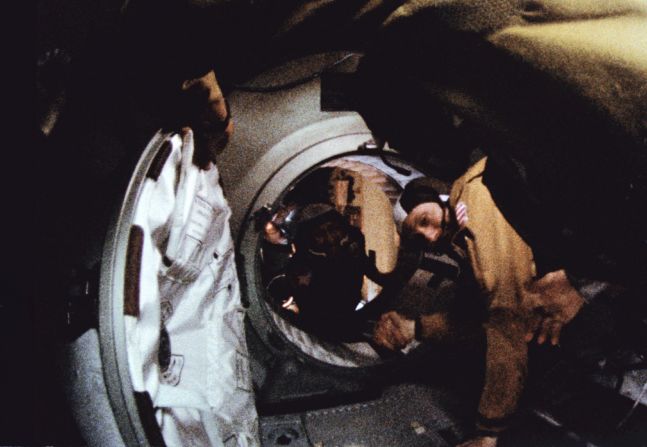
Commander of the Soviet crew of Soyuz, Alexei Leonov, left, and commander of the American crew of Apollo, Thomas Stafford shake hands July 17, 1975 in space, somewhere over Western Germany, after the Apollo-Soyuz docking maneuvers.
NASA
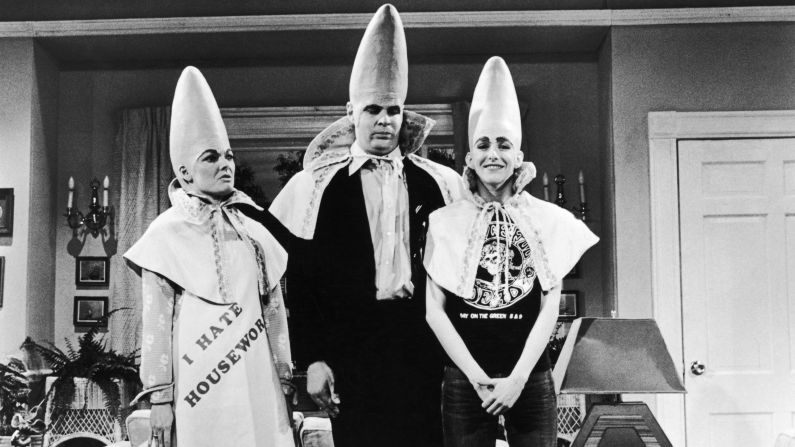
'Not ready for Prime Time' —
Saturday night television changed forever on October 11, 1975, when the sketch comedy show "Saturday Night Live" made its debut. Comedian George Carlin was the first host, joining a cast of young and upcoming comics known as "The Not Ready for Prime Time Players." "SNL" is now in its 40th year as one of the longest running shows in television history.
Warner Bros./Getty Images
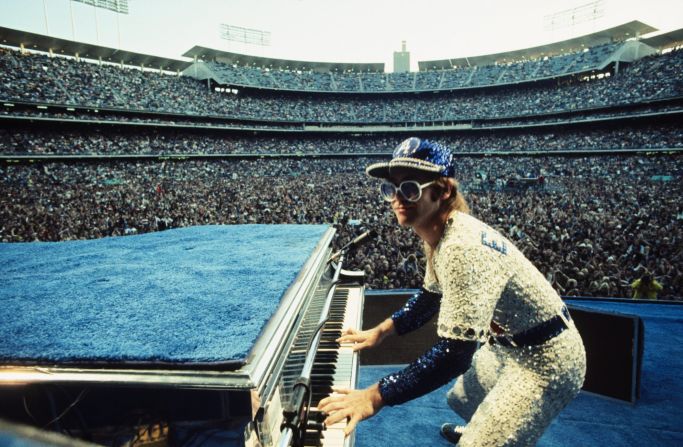
Dazzling Elton —
English singer Elton John, one of the biggest artists of the '70s, performed two sold-out shows at Los Angeles' Dodger Stadium in October 1975, performing for more than three hours each night. John, known for his flamboyant outfits and oversized sunglasses, was decked out for the occasion in a sequined Dodgers baseball uniform.
Terry O'Neill/Getty Images
The Concorde takes off —
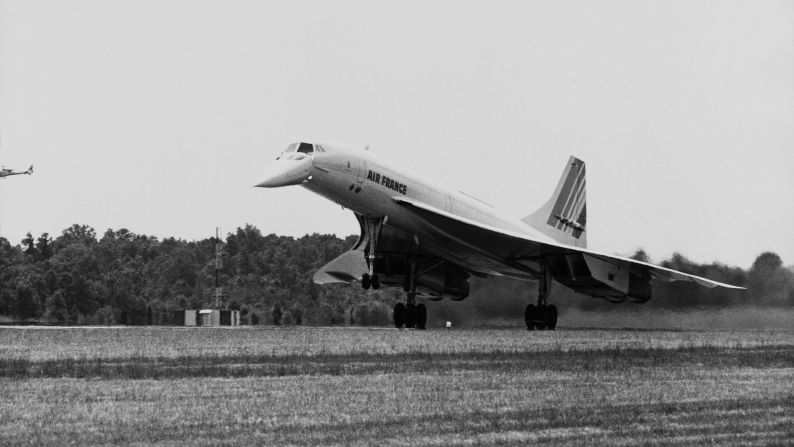
It broke the sound barrier and cut flight times in half. On January 21, 1976, the first commercial Concorde flight took place from London to Paris, cruising at speeds of 1,350 mph. The Concordes' flights would be short lived, however, as fewer than 20 ever saw commercial use. The last commercial Concorde flight took place on October 24, 2003.
Keystone-France/Gamma-Keystone/Getty Images
Happy 200th birthday, America! —
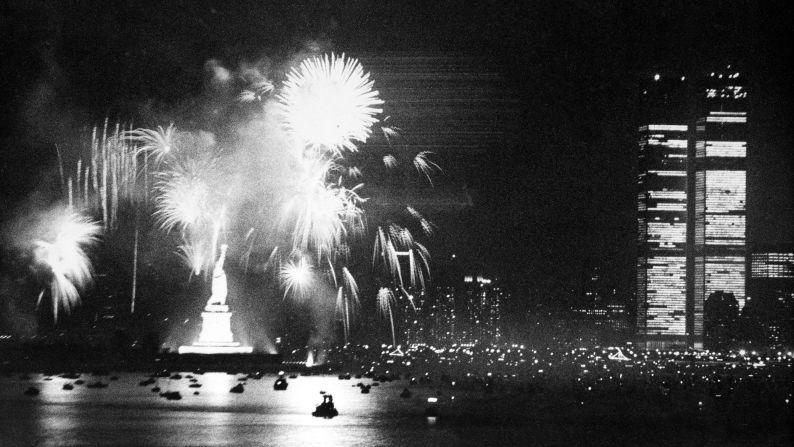
Fireworks at the Statue of Liberty light up the New York Harbor on July 4, 1976, as the country celebrates the bicentennial anniversary of the Declaration of Independence. Patriotic events took place around the country that year.
AP
'Angels' flying high —
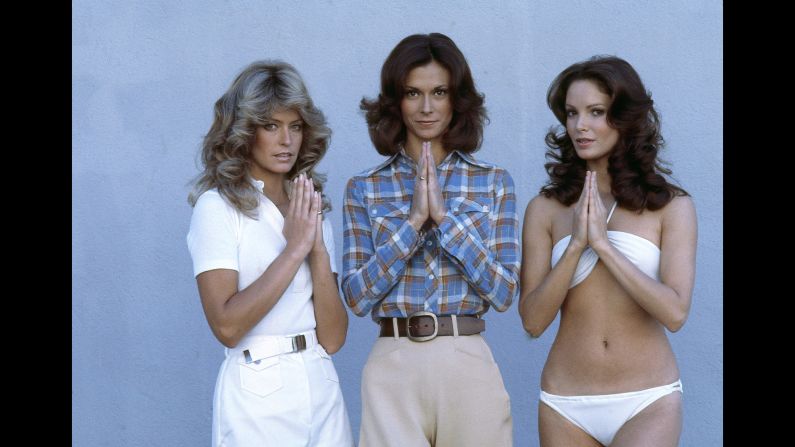
On September 22, 1976, a blonde bombshell dropped into America's homes with the debut of the television show "Charlie's Angels." Farrah Fawcett and co-stars Kate Jackson and Jaclyn Smith became an instant hit with audiences. To this day the show remains a lasting image of the 70s despite getting mixed reviews from critics.
Getty Images
Barbara becomes the news —
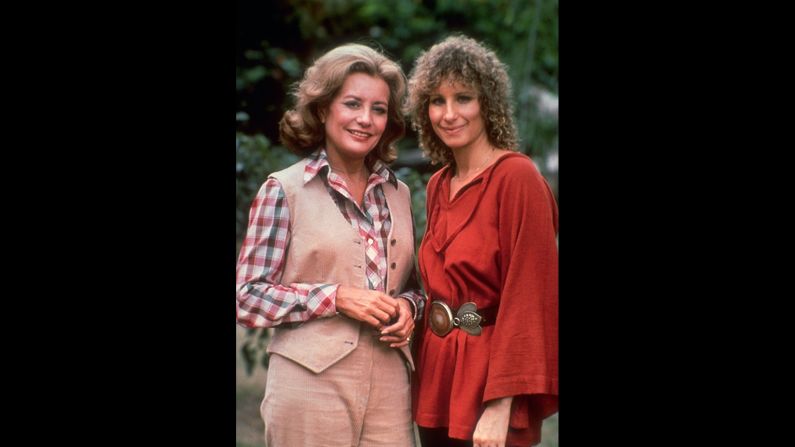
In October 1976, Barbara Walters, seen at left with actress Barbra Streisand, became the first woman to co-anchor a major network evening newscast. ABC made history before she even went on air, signing Walters to a $1 million annual contract to make her the highest-paid journalist at that time. She only co-anchored the show for a year and a half, but she would go on to host ABC shows such as "20/20," "The View" and "Barbara Walters Specials" until her retirement in 2014.
ABC Photo Archives/Getty Images
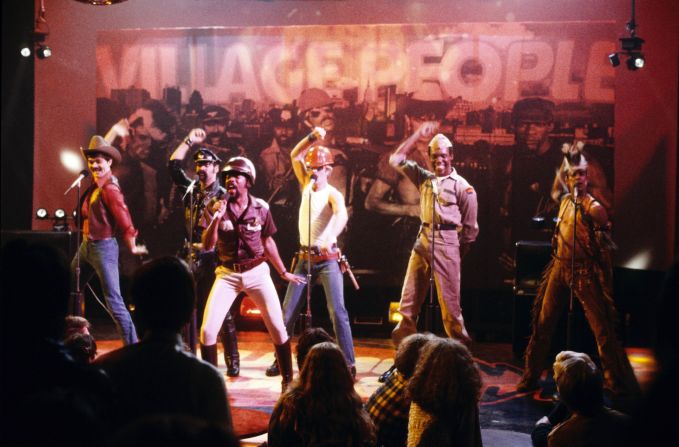
Disco ruled the charts in the late '70s but found some unlikely superstars in the form of the Village People. Their name was inspired by New York's Greenwich Village, which had a large gay population at the time, and the group became known for their onstage costumes and suggestive lyrics. In 1978, their songs "Macho Man" and "Y.M.C.A." became massive hits and brought them mainstream success.
Jazz Archiv Hamburg/ullstein bild/Getty Images
From peanut farmer to President —
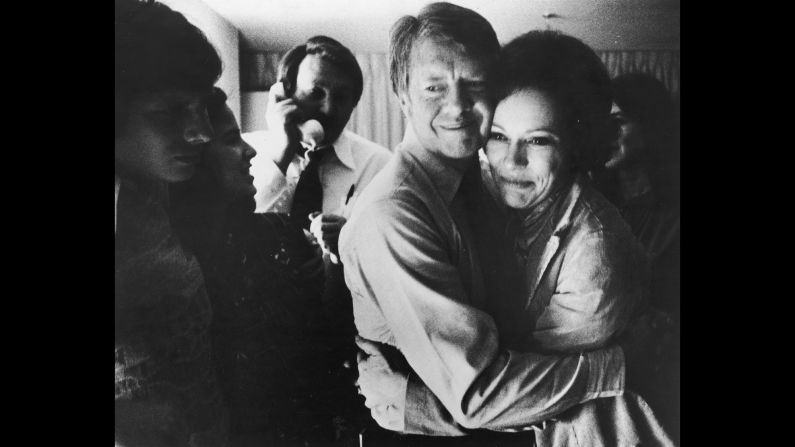
Jimmy Carter embraces his wife, Rosalynn, in November 1976 after he was elected as the 39th President of the United States. Carter, a Democrat and former governor of Georgia, defeated incumbent Gerald Ford. During his time in office, Carter created the Department of Energy and Department of Education. Since leaving the office in 1980, he has remained active in fighting for human rights and ending disease around the world with his nonprofit organization, the Carter Center.
Hulton Archive/Getty Images
'Roots' premieres —
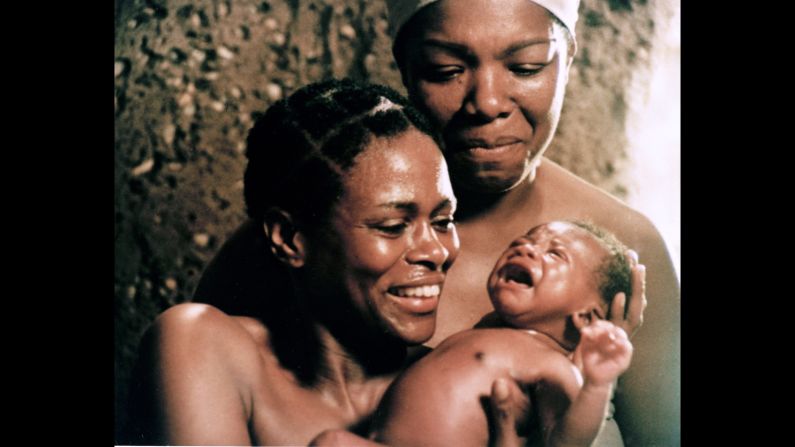
Cicely Tyson, left, and Maya Angelou star in the television miniseries "Roots." The series premiered in January 1977, airing for eight consecutive nights and attracting a record number of viewers. Based off Alex Haley's novel, "Roots" told the story of an African boy sold into slavery in America and the following generations of his family. The show was viewed by more than half of the U.S. population in 1977, and it received 37 Emmy nominations.
ABC Photo Archives/ABC/Getty Images
'In a galaxy far, far away' —
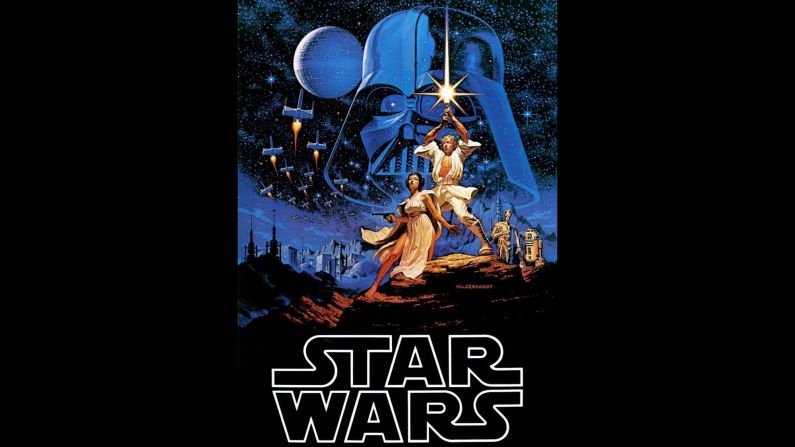
May 25, 1977, was a historic day for sci-fi fans and moviegoers everywhere. George Lucas' "Star Wars" opened in theaters, introducing the world to characters such as Luke Skywalker, Chewbacca, R2D2 and, of course, Darth Vader. The "Star Wars" franchise is still one of most lucrative and popular film series around today.
Universal History Archive/UIG/Getty Images
Son of Sam —
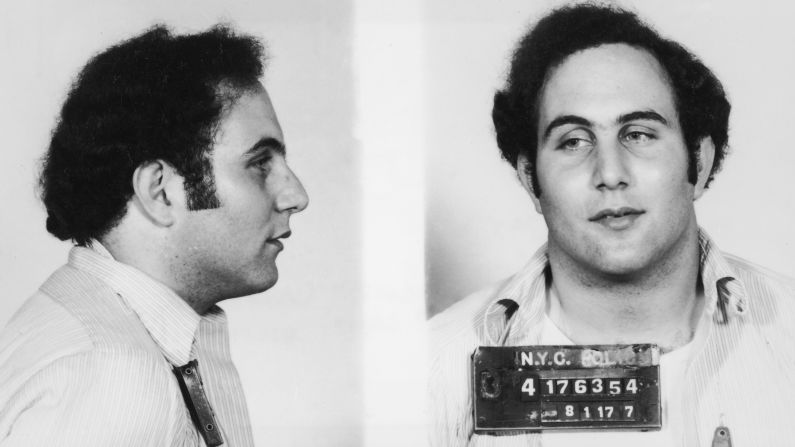
Serial Killer David Berkowitz, known as the Son of Sam, was arrested on August 10, 1977, after a series of shootings and murders that police believe began in the summer of 1976. Berkowitz was convicted of killing six people and wounding seven during his crime spree, which garnered large amounts of press coverage. He was known for targeting young women and sending cryptic, antagonizing letters to the New York police.
Hulton Archive/Getty Images
Apple plants the seed for the digital revolution —
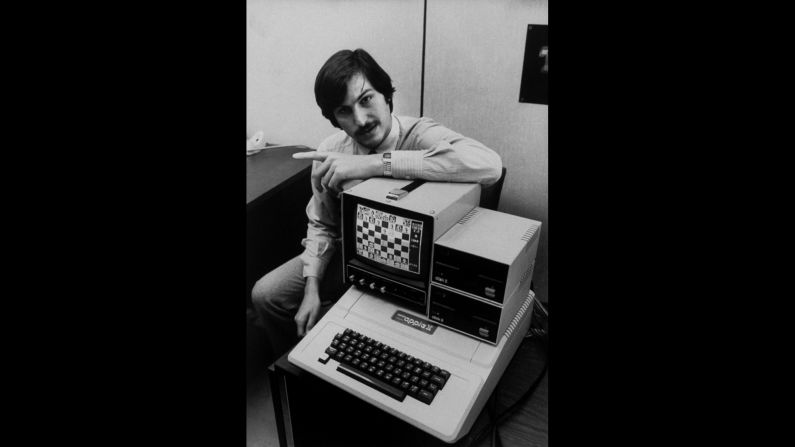
In 1977, Apple Computers introduced the Apple II, which became one the first successful home computers. Co-founders Steve Jobs, pictured here, and Steve Wozniak formed the Apple Computer Company in 1976. Along with Bill Gates' Microsoft, which was founded in 1975, Apple helped ignite the digital age we live in today.
Ralph Morse/The LIFE Images Collection/Getty Image
New York City goes dark —
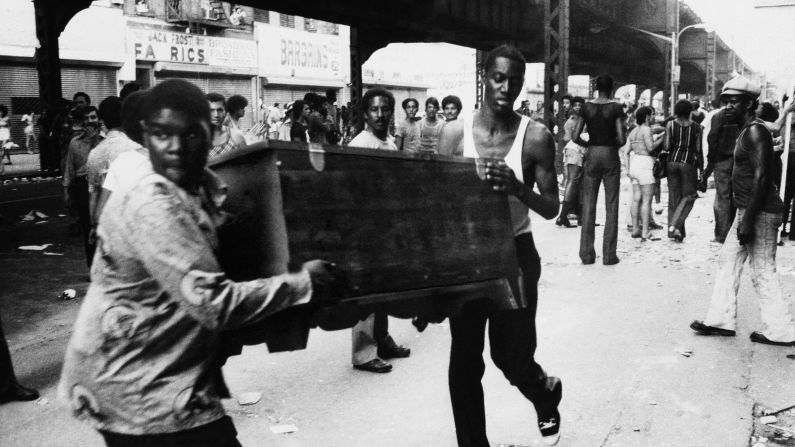
In the middle of the summer of 1977, New York City experienced a power outage that caused much of the city to go dark. The blackout lasted two days, from July 13-14. As the city was in the midst of a financial crisis and the terror of the Son of Sam loomed over residents, many took to the streets and began looting. Police reported that looting in some areas of the city continued well into the daylight hours, and thousands of people were arrested.
AP
The King is dead —
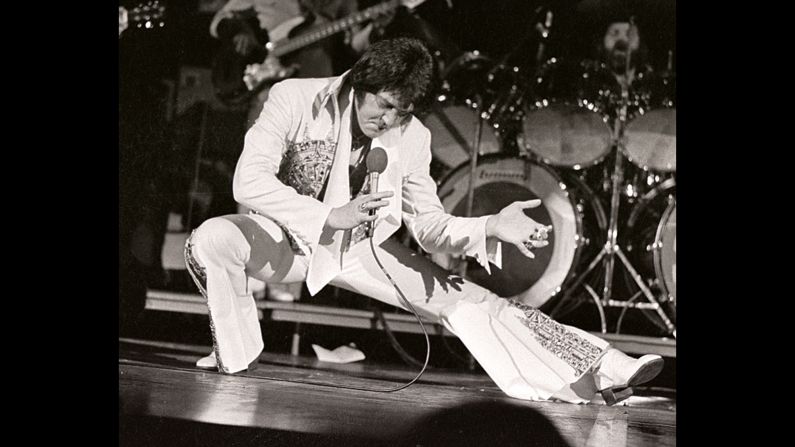
Elvis Presley, the King of Rock 'n' Roll, died August 16, 1977, at the age of 42. He was still touring and recording throughout the 1970s, but his unexpected death sealed his legacy as one of the greatest cultural icons of the 20th century.
Ronald C. Modra/Getty Images
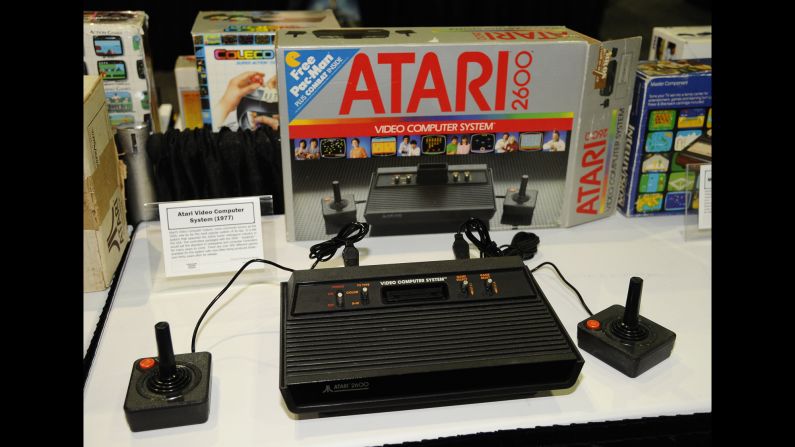
Game on —
The Atari 2600 was released in September 1977, bringing the world of video games into households everywhere. Packaged with two joystick controllers and one cartridge game, the Atari 2600 sold 250,000 units in 1977. By 1979, 1 million units were sold. What some believed at the time to be a fad has now turned into a billion-dollar-a-year industry.
Corbis
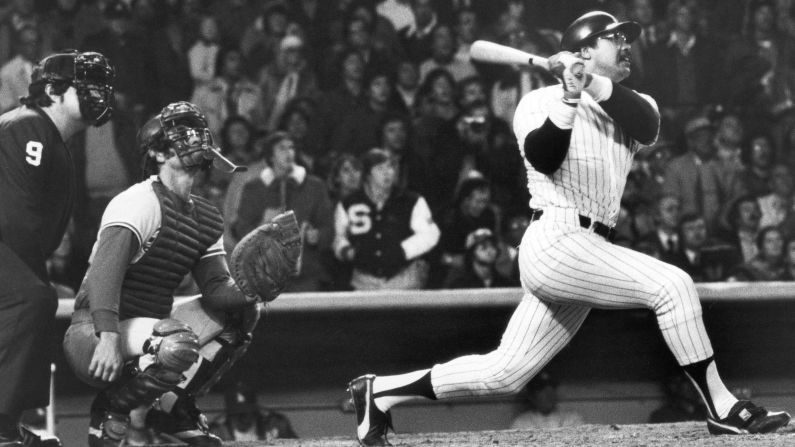
Mr. October —
Reggie Jackson of the New York Yankees hits his third home run of the game on October 18, 1977, leading the Yankees to a World Series win over the Los Angeles Dodgers. Jackson had a .357 batting average over the 27 World Series games throughout his career, earning him the nickname "Mr. October." Jackson and the Yankees would repeat as World Series champions the following year.
Louis Requena/MLB Photos/Getty Images
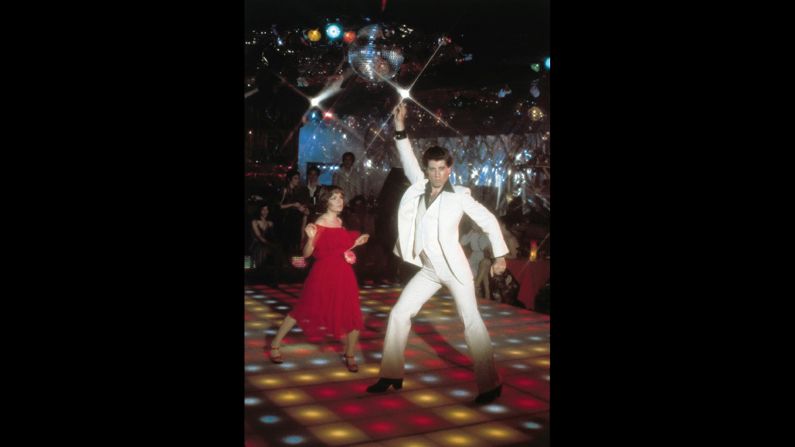
Disco fever —
Disco music sweeps the nation with the 1977 film "Saturday Night Fever" starring John Travolta. Catapulted by a soundtrack containing five No. 1 singles -- including "Staying Alive" and "Night Fever" -- the film became a huge commercial success. The soundtrack stayed on top of the album charts for six months, and Travolta earned an Academy Award nomination for Best Actor.
Paramount Pictures
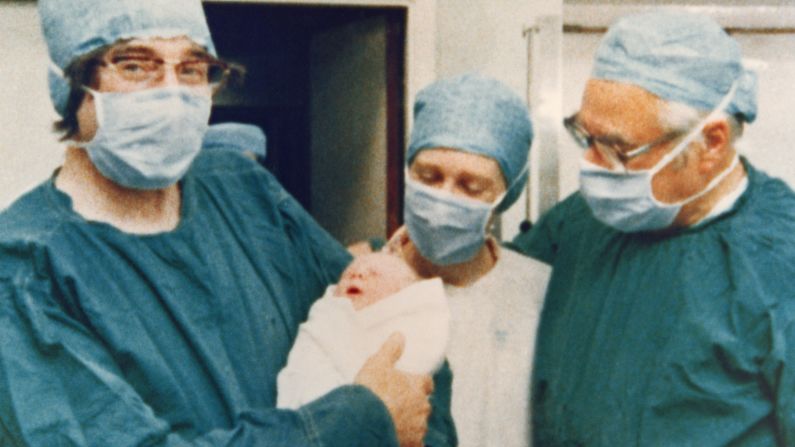
A test tube produces life —
Louise Brown became the world's first test-tube baby on July 25, 1978. Dr. Robert Edwards, left, and Patrick Steptoe, right, pioneered the process of in vitro fertilization, which injects a single sperm into a mature egg and then transfers the egg into the uterus of the woman. In 2010, Edwards won the Nobel Prize in Medicine for the development of in vitro fertilization, which has helped families conceive more than 5 million babies around the world.
Keystone/Getty Images
Peace in the Middle East —
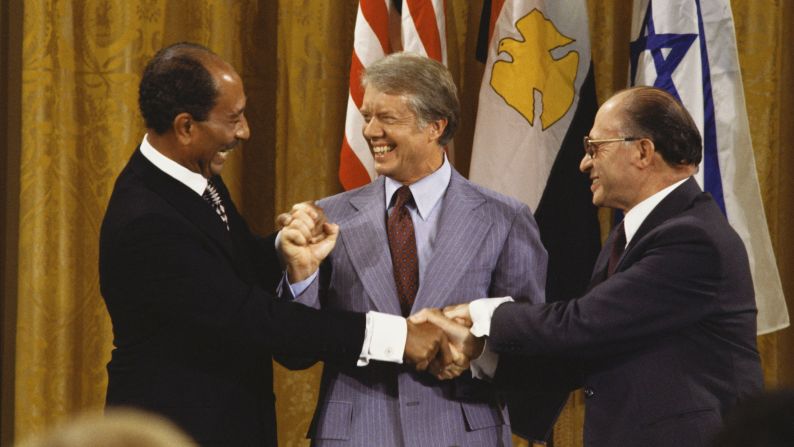
Egyptian President Anwar Sadat, left, joins hands with Israeli Prime Minister Menachem Begin, right, on September 18, 1978, after the Camp David Accords were signed in Maryland. After 12 days of secret meetings, the two sides agreed upon a step toward peace. U.S. President Jimmy Carter, center, personally led the lengthy negotiations and discussions between the two parties.
David Hume Kennerly/Getty Images
The world welcomes a new Pope —
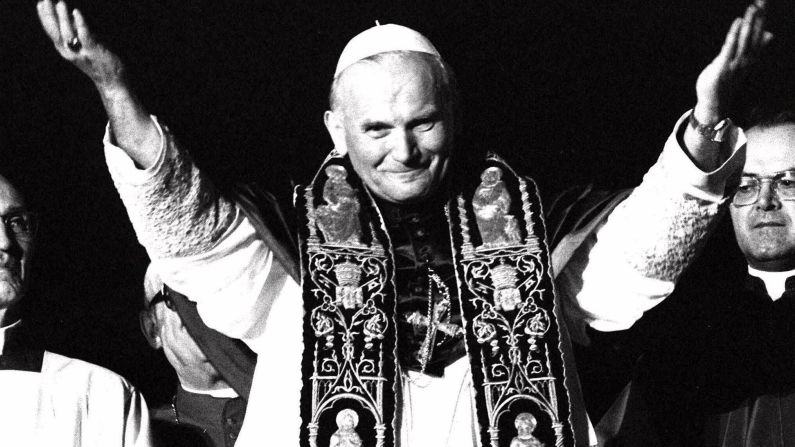
His name was Karol Jozef Wojtyla, but the world knew him as Pope John Paul II. Born in Poland, John Paul II was the first non-Italian Pope in more than in 400 years when he became Pope in 1978. He made his first public appearance on October 16, 1978, at St. Peter's Square in the Vatican, and before his death in 2005 he was beloved for his commitment to human rights around the world.
Massimo Sambucetti/AP
The Jonestown massacre —
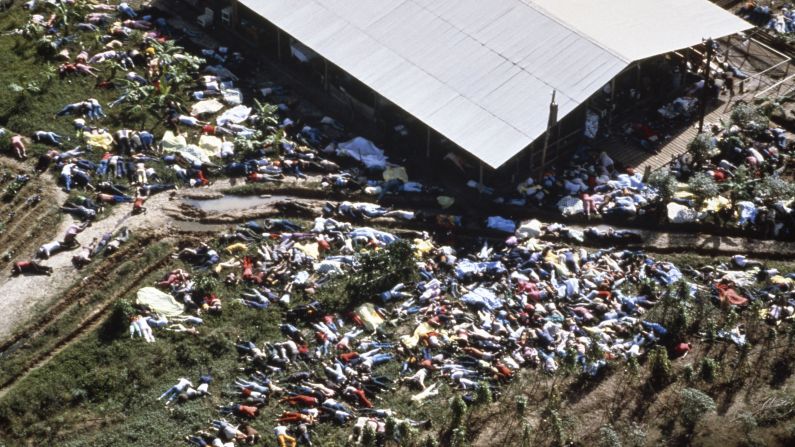
Bodies lie around the compound of the People's Temple in Jonestown, Guyana, on November 18, 1978. More than 900 members of the cult, led by the Rev. Jim Jones, died from cyanide poisoning; it was the largest mass-suicide in modern history.
David Hume Kennerly/Getty Images
Assassination of Harvey Milk —
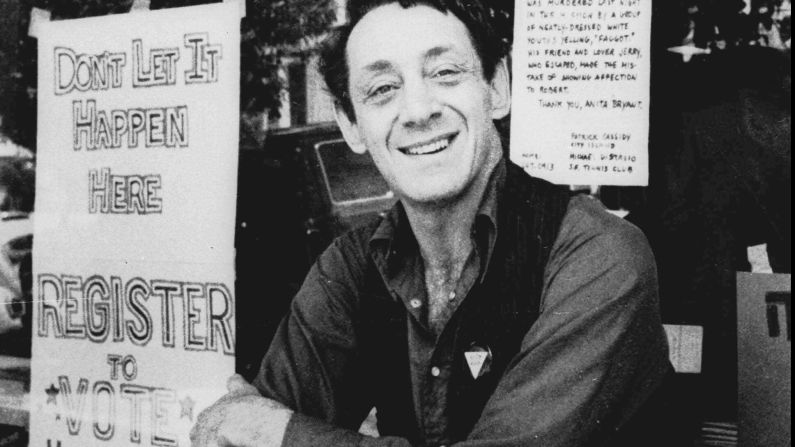
In 1977, Harvey Milk was elected to the San Francisco Board of Supervisors, making him the first openly gay person to be elected to a public office. Milk started his political ambitions in San Francisco in the early '70s, but he did not hold an office until he was appointed to the Board of Permit Appeals in 1976 by Mayor George Moscone. Milk's career was tragically cut short on November 27, 1978, when he and Moscone were assassinated.
AP
Music goes mobile —
The sound barrier is broken once again in the '70s, but this time at walking speed. Sony introduces the Walkman, the first commercially successful "personal stereo." Its wearable design and lightweight headphones gave listeners the freedom to listen to music privately while out in public. The product was an instant hit. The Walkman was a mark of coolness among consumers, setting a standard for future generations of personal devices like the Apple iPod.
Sony
Magic vs. Bird —
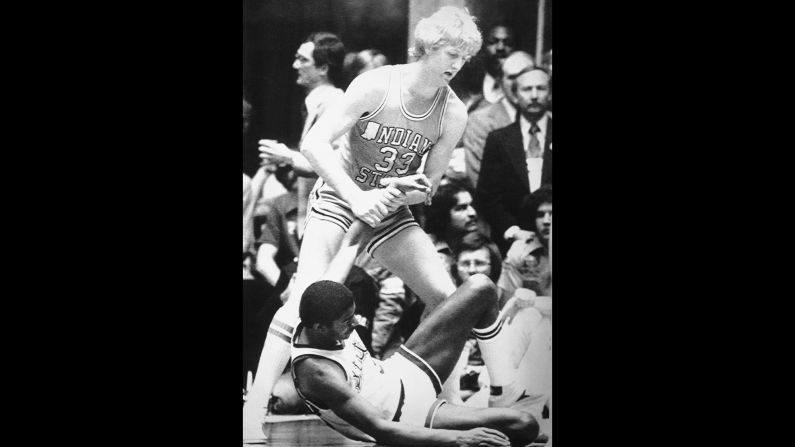
The 1979 national championship game between Michigan State and Indiana State still ranks as the most-watched college basketball game of all time, thanks to two up-and-coming superstars: Michigan State's Earvin "Magic" Johnson, bottom, and Indiana State's Larry Bird. Johnson's Spartans won the NCAA title, but the two players' rivalry was only just beginning. During their pro careers in the NBA, Bird's Boston Celtics and Johnson's Los Angeles Lakers would meet in the NBA Finals three times in the '80s.
AP
Three Mile Island —
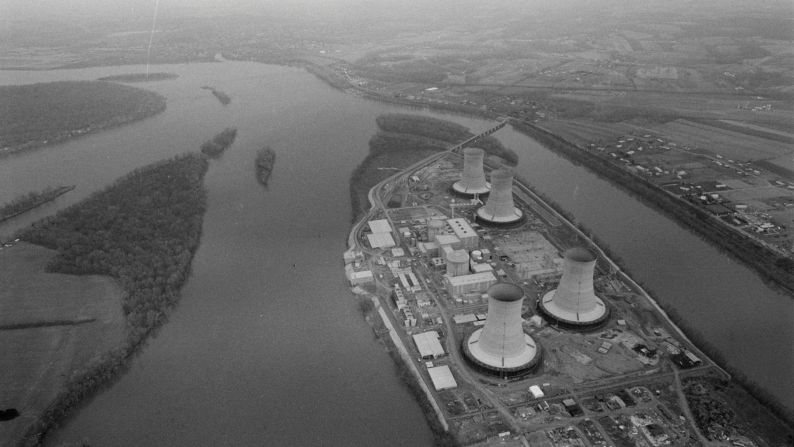
On March 28, 1979, the worst nuclear accident in U.S. history took place in Pennsylvania when large amounts of reactor coolant and radioactive gases from the Three Mile Island power plant were released into the environment. Within days of the accident, 140,000 people evacuated their homes within a 20-mile radius of the plant. The accident brought widespread attention to reactor safety and large protests from anti-nuclear groups. Cleanup from the accident began in August 1979 and was not completed until December 1993.
Jarnnoux Patrick/Pars Match/Getty Images
The Iron Lady —
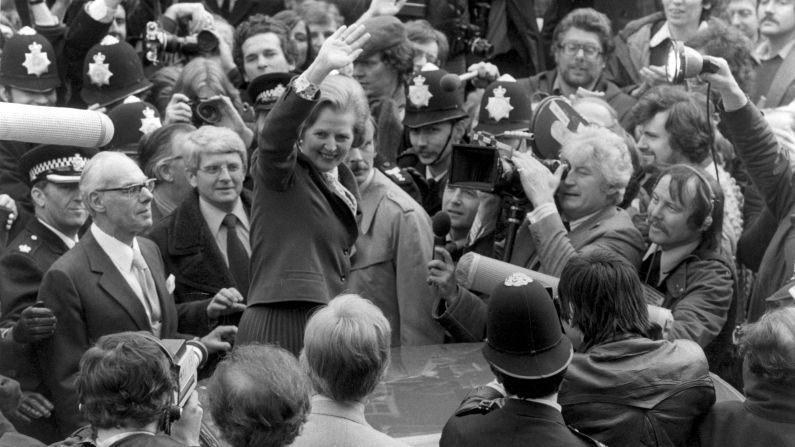
Margaret Thatcher celebrates her first election victory, becoming Britain's first female Prime Minister on May 4, 1979. As leader of the Conservative Party, Thatcher served three terms as Prime Minister, holding the office until 1990. That made her the longest-serving British Prime Minister of the 20th century.
Central Press/Getty Images
Deadliest day in U.S. aviation —
Only moments after takeoff, an engine separated from American Airlines Flight 191, causing the plane to crash in a field near Chicago's O'Hare International Airport on May 26, 1979. All 271 people on board the plane -- and two people on the ground -- were killed, making it the worst aviation accident ever on U.S. soil.
AP
SALT II —
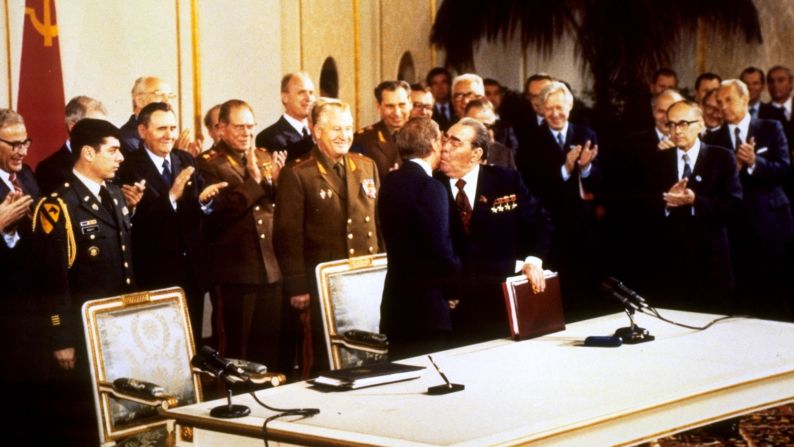
The Strategic Arms Limitation Talks, otherwise known as SALT, were a series of meetings and treaties designed at limiting and keeping track of the missiles and nuclear weapons carried by the United States and the Soviet Union. The first treaty was signed in 1972, and the second one was signed in 1979. Six months after the second signing, however, the Soviet Union invaded Afghanistan, and the United States never ratified the SALT II agreement.
AP
An 'American Hustle' —
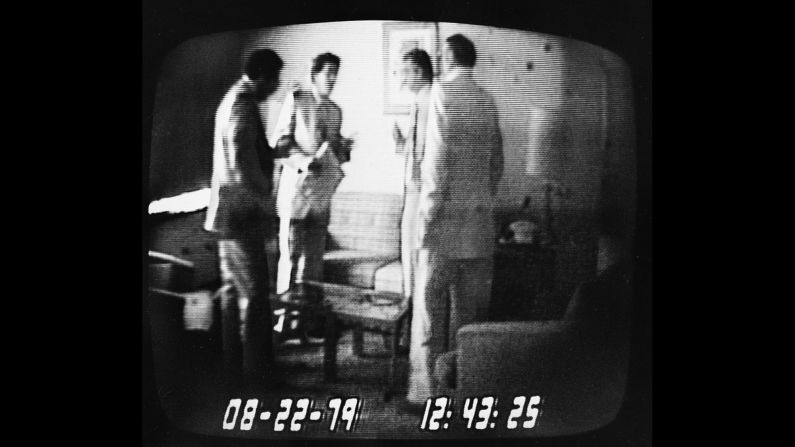
Scandals shaped a large part of the '70s political atmosphere, and the decade ended on a big one. During a two-year investigation, the FBI set up a sting operation dubbed "Abscam," videotaping politicians accepting bribes from a phony Arabian company in return for favors. The sting resulted in the conviction of six U.S. representatives, one senator, a mayor from New Jersey and members of the Philadelphia City Council. The operation was the inspiration for David O. Russell's 2013 film "American Hustle."
AP
From Boy Scout to murderer —
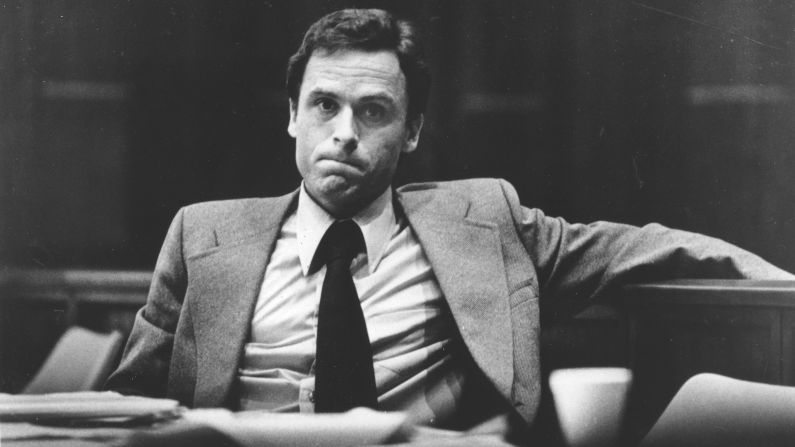
Ted Bundy, one of the most notorious serial killers of all-time, stands trial in June 1979 for two of his many murders. Bundy received three death sentences for murders he committed in Florida, and he was executed on January 24, 1989. Bundy confessed to 30 murders before his death, but officials believe that number could be higher.
AP
Iran hostage crisis —
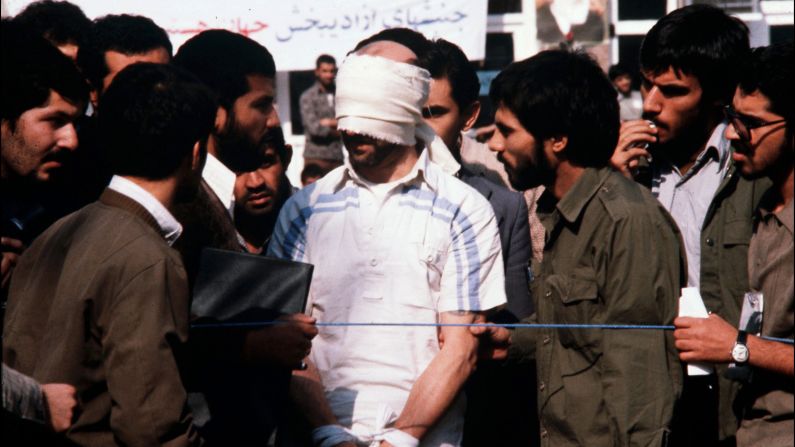
In November 1979, 66 Americans were taken hostage after supporters of Iran's Islamic Revolutiontook over the U.S. Embassy in Tehran, Iran. All female and African-American hostages were freed, but President Carter could not secure the other 52 hostages' freedom. They were finally released after Ronald Reagan was sworn in as President 444 days later. Many feel the Iran hostage crisis cost Carter a second term.
Alain Mingam/Gamma-Rapho/Getty Images
A living saint —
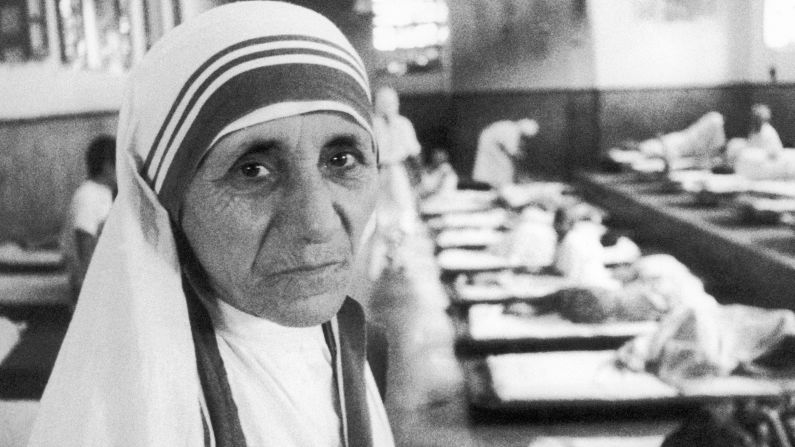
Agnes Gonxha Bojaxhiu, or "Mother Teresa," won the Nobel Peace Prize in 1979 for dedicating her life to helping the poor. Her foundation in Kolkata, India, "The Missionaries of Charity," took care of orphans, the sick and elderly. In 2003, she was beatified.
Getty Images
70 historic moments from the 1970s
There also was sexual liberation, which had something to do with women liberating themselves in the bedroom, too, but had as much to do with loosening norms around sex. In 1960, half of 19-year-old women who were unmarried had not yet had sex. By the late 1980s, as Nancy Cohenpointed out, two-thirds of all women had done the deed by age 18.
Cohen also noted that the invention of the birth control pill in the 1960s helped pave the way. Within five years after the first pill went on the market in 1960, 6 million American womenwere taking it. These women and others, and their male partners, entered the next decade literally with a radically different experience of sex and freedom. The year 1972 alone saw the publication of such groundbreaking books as “The Joy of Sex” and “Open Marriage.”
The ’70s also brought nonheterosexual sex into the spotlight. In 1969, when a gay bar in New York was raided by police, protests erupted and what became known as the Stonewall Riots was the formative moment of the gay rights movement that would continue to grow into the next decades.
For gay, lesbian, bisexual and transgender Americans, the 1970s was an era of increasing awakening and visibility, as well as backlash and persecution. In 1970, the first gay pride parade was held to commemorate the Stonewall Riots, and in 1973, the American Psychiatric Association finally saw fit to remove homosexuality from its official list of mental disorders.
Arguably, one of the quintessential songs of the 1970s captures all perspectives on the sexual revolution. “Aaaaaah, FREAK OUT!” sang the band, Chic, in their 1978 chart topper. While the old guard was certainly freaking out about the quickly and wildly shifting terrain of traditional American values, those doing the shifting were enjoying the ride. The song almost mocks those who are actually freaking out, turning their angst into a dance craze. “Come on along and have a real good time,” Chic invites. That moral ground you feel shifting below you? Think of it more as a sensual undulating and get with the groove.
It’s easy to look back and see the boundaries of the era’s aspirations. The Vietnam War, in the 1970s, and AIDS, in the 1980s, killed people and rightfully became preoccupying life-and-death issues. Complete sexual liberation and the brave new peaceful world a generation longed for ran headlong into hard and brutal reality.
In hindsight, the movements of the 1970s were much more about cultural triumphs than they were about legal and political changes. That the idea of women’s equality is more widely accepted today than it was 40 years ago is a victory. Yet the fact that women still earn a fraction of what men earn on average, and women of color even less, that rape and sexual assault remain so prevalent, that access to birth control and abortion and sex education are so actively still contested — these are reminders of how far we have yet to go.
“In the 1970s the sexual revolution was really mostly about sex,” wrote Hanna Rosin. “But now the sexual revolution has deepened into a more permanent kind of power for women.” Or, more accurately I think, at least a sense of personal power. But empowerment hasn’t necessarily translated into real economic and political leverage.
Are there more women running major companies, transgender men and women starring in Hollywood productions, parents nurturing their children’s healthy sexuality and now the nationwide right to marriage equality? Yes! But all around us — from the Bill Cosby story to campus rape to the killing of Kristina Gomez Reinwald, one of many transgender murder victims — there are almost daily reminders of the reality of subjugation based on gender, race and sexuality.
Without a doubt, women and gay people, but straight men, too, experienced more individual freedom in the 1970s. But that doesn’t mean we are all liberated. Just like one black president or one female president doesn’t mean there’s no more racism or sexism.
Thus perhaps the greatest legacy of the 1970s wasn’t that it set us on a path to a destination — one we clearly haven’t reached yet— but that it defined desire, desire not only for individual, bodily autonomy, self-expression and pleasure but a desire that society fully reflect and respect our freedom. Wherever we are now, with respect to women’s rights and LGBT rights and sexual freedom, is a direct result of the 1970s. And the fact that we’re not satisfied yet is also the legacy of that era.